
UPH Professor Highlights Concerns Regarding the Naming of Febrie Adriansyah as a Suspect
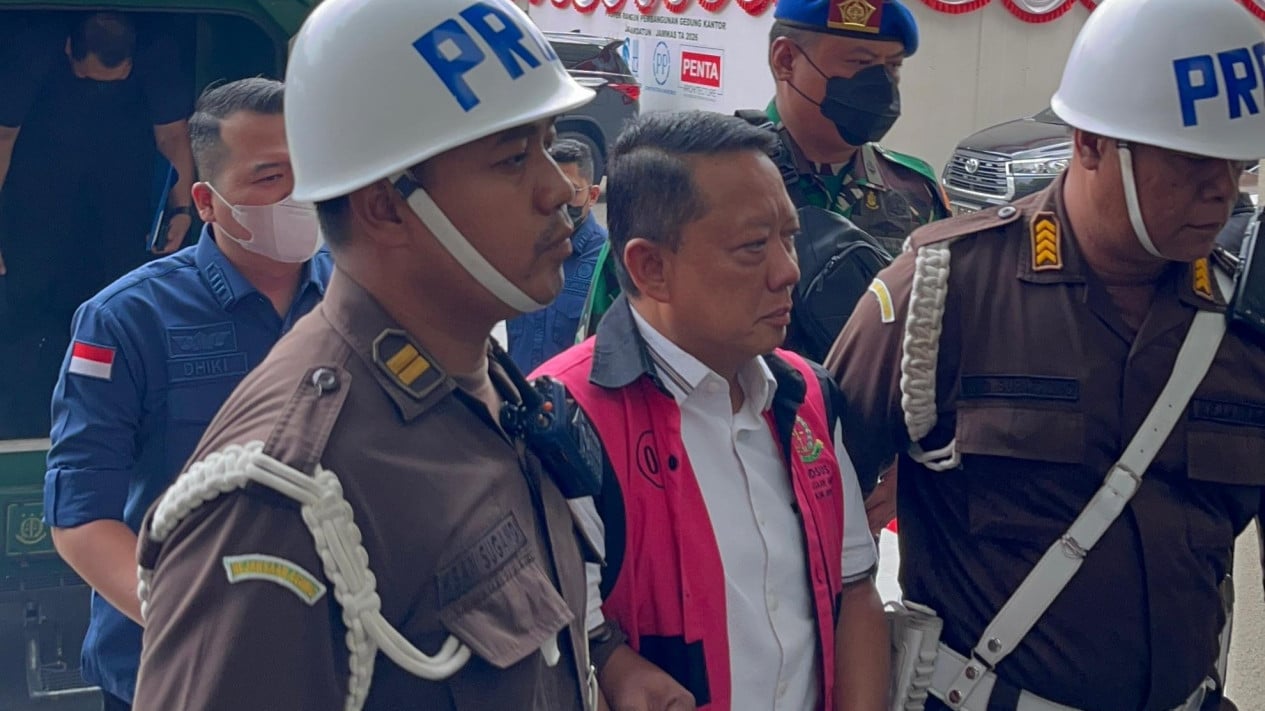
The legal dynamics surrounding the designation of former Jampidsual (Jampidsus) official Febrie Adriansyah as a suspect have opened a profound discourse regarding the limits of law enforcement authority.
Particularly with the implementation of the new criminal procedure instrument, namely Law Number 20 of 2025 concerning the Criminal Procedure Code (KUHAP), which becomes effective from early January 2026, standards of evidence and the protection of human rights are now under intense scrutiny. Within the framework of anti-corruption law (UU Tipikor) and Money Laundering (TPPU), law enforcement is often faced with the tension between the speed of eradicating extraordinary crimes and the protection of the principle of due process of law.
Professor Jamin Ginting, a Professor of Criminal Law at Universitas Pelita Harapan (UPH), reminded that although normatively the objective requirements for designating a suspect refer to the sufficiency of evidence, the implementation procedure must not violate the corridors of human rights protection guaranteed by law.
“In the KUHAP, the requirements for designating a suspect are regulated in Article 90: subjective requirements, namely reasonable suspicion; and objective requirements, namely based on two valid pieces of evidence. Textually, it is not required that the prospective suspect must have been examined beforehand as a witness,” said Prof. Jamin in Jakarta, Friday, 4 September 2026.
Nevertheless, Jamin emphasised that the discretionary freedom of investigators is strictly limited by the prohibition of acts that create a presumption of guilt, as stipulated in Article 91 of the KUHAP and the derivative doctrine of the Constitutional Court Decision No. 21/2014. Ignoring a preliminary examination of a legal subject before their status is elevated is considered to undermine the sense of justice and strip away the constitutional right to self-defence.
“By never being examined as a witness or a prospective suspect, the investigators have essentially committed an unlawful act by violating human rights. The subject cannot prepare themselves for a defence because their position is equated with that of other witnesses, resulting in an abuse of circumstances to deceive a party who was actually known from the start to be made a suspect,” Jamin stated.
Jamin assessed that this issue becomes increasingly crucial when linked to the handling of corruption and money laundering cases, which frequently utilise complex evidentiary instruments, such as fund flow tracking or single-witness testimony.
Source: jawawa.id (https://jawawa.id/newsitem/uph-professor-highlights-concerns-regarding-the-naming-of-febrie-adriansyah-as-a-suspect-1788523026)
Originally published by VIVA.co.id (https://www.viva.co.id/berita/nasional/1926310-guru-besar-uph-soroti-hal-ini-dalam-penetapan-tersangka-febrie-adriansyah), translated from Indonesian