
UOB: Banks must shift focus from products to customer needs
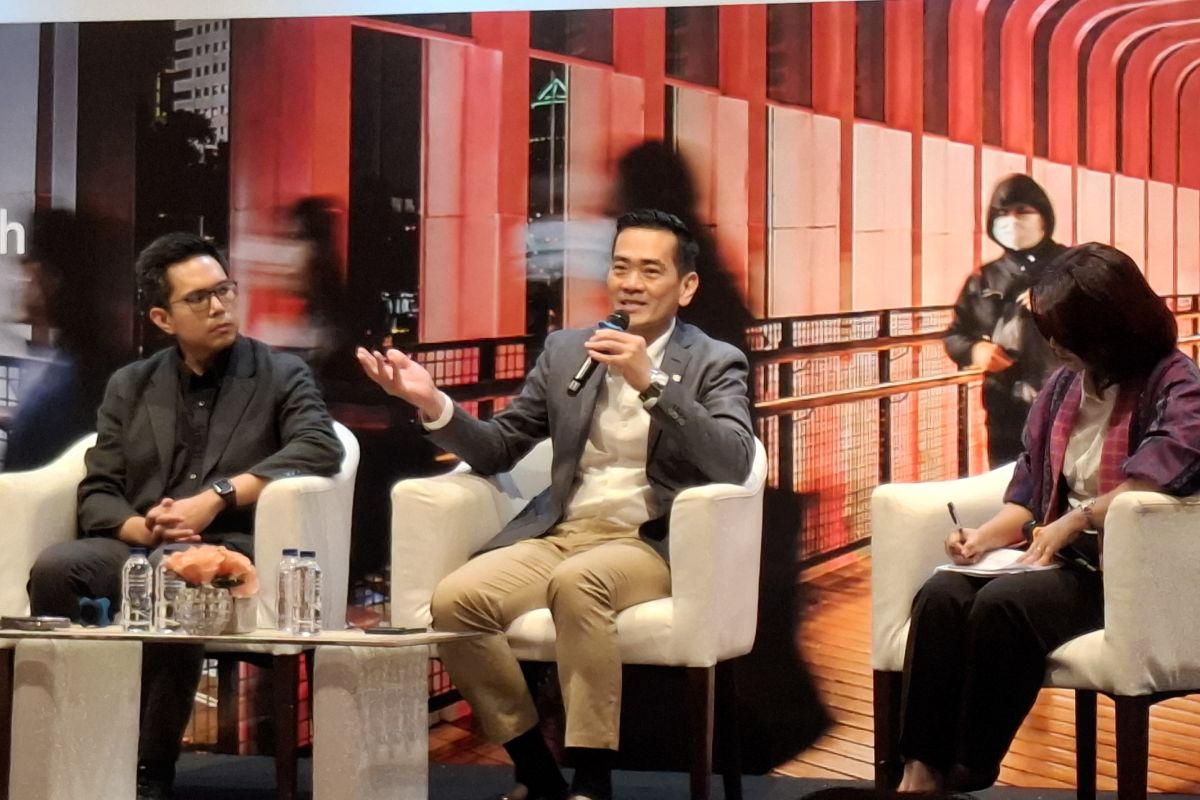
The changing and increasingly complex needs of customers are pushing the banking industry to shift from a product-based approach to services that focus on individual customer needs, according to Acting Head of Consumer Banking at PT Bank UOB Indonesia, Herman Soesetyo. Herman noted that public expectations of banking services have changed rapidly compared to a few years ago, making an approach that offers the same products to various customer profiles less relevant. “At UOB, from a consumer perspective, we see the customer more in terms of the client, not just the product,” Herman said during the UOB Media Editors Circle 2026 in Jakarta on Wednesday. He explained that banking previously tended to be oriented towards providing products, with customers then choosing from what was available. However, he believes banks now need to first understand the character and needs of customers before offering financial solutions. “So it’s not that; we have shifted our focus more towards client-centric segmentation rather than the product itself,” he stated. This change is occurring alongside the growth of population groups with increasingly diverse financial needs. Citing data from the Central Statistics Agency (BPS) from September 2024, a UOB presentation showed there are approximately 48.4 million middle-class residents, 1.3 million affluent or high-income individuals, and more than 138 million people in the aspiring middle class. The UOB ASEAN Consumer Sentiment Study 2025 also indicated that three out of four Indonesian consumers save more than 10 percent of their income each month, while 34 percent set aside 11 to 20 percent of their monthly earnings. According to Herman, the evolving financial needs and behaviours of the public mean it is no longer sufficient for banks to merely provide products; they must also understand customer needs and offer appropriate solutions. “So for banking, I would say that banking should probably position itself as what, actually? As a trusted financial advisor,” he revealed. He noted that this approach requires an understanding of each customer’s persona and risk profile, especially when offering investment products. “Because each person is different if they want to become an investor, their profiles are certainly different, and there is no product that can be a one-size-fits-all,” Herman said. The UOB presentation showed that the need for financial guidance can cover asset allocation and risk management, investment diversification, children’s education, retirement preparation, and inheritance planning. UOB also sees rising expectations for banks, ranging from the need for more detailed and specific information to the role of relationship managers as trusted advisors. The needs of the affluent segment are also considered increasingly complex. To support this change, Herman said that increasing human resource capacity must be accompanied by the use of technology, data, and analytics so that services can be more tailored to customer needs. He added that the development of service channels must also combine physical and digital services. Branch offices still have a role, for instance, in wealth management needs, while digital services need to be continuously expanded to cover various transaction and customer service requirements.