
Unveiling the Secrets of Crash Tests: Vehicle Safety Standards in Bekasi
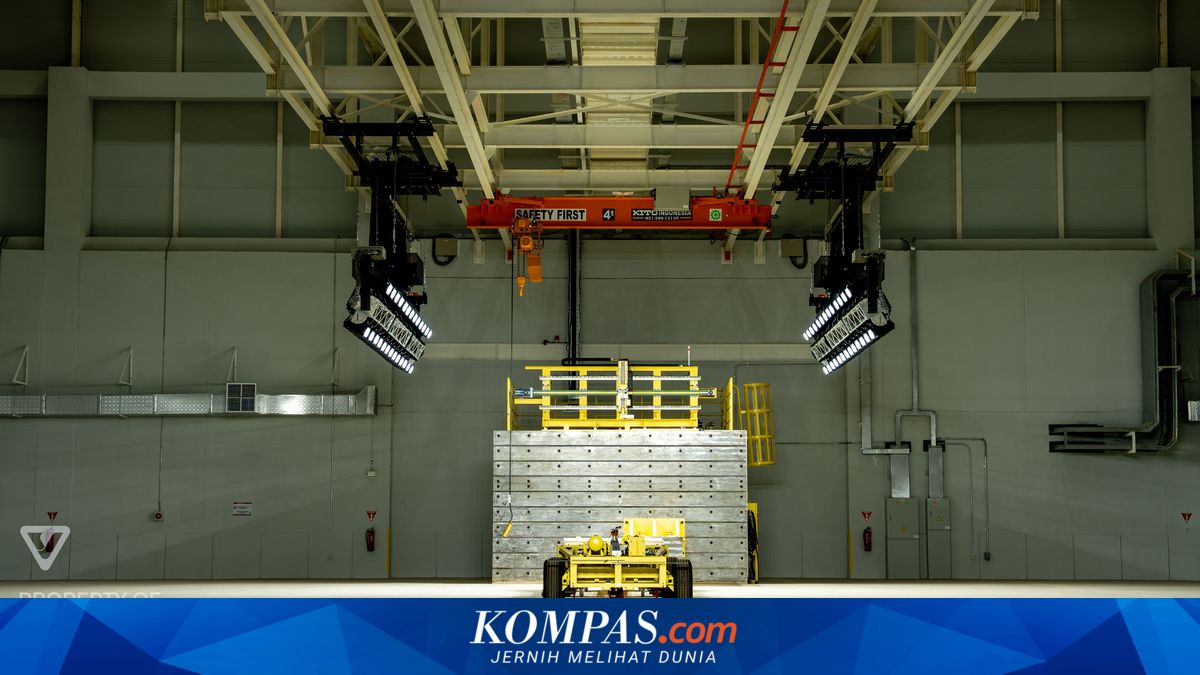
The Balai Pengujian Laik Jalan dan Sertifikasi Kendaraan Bermotor (BPLJSKB) in Bekasi, West Java, now features a crash test facility for motor vehicles. The presence of this facility represents a crucial step in elevating vehicle safety standards in Indonesia. Head of the Passive Safety Laboratory at BPLJSKB, W Aris Munandar, stated that several aspects are examined after a vehicle undergoes a crash test. “First, the doors must still be able to open. At least one door per row must be openable,” he told Kompas.com in Bekasi, West Java, on Tuesday (5/5/2026). Aris explained that personnel also use a push-pull gauge or measuring tool to determine the push and pull forces on a component. According to Aris, the design of the vehicle’s front section, which is easily damaged upon impact, is intended to enhance passenger safety. “If it’s too rigid, all the energy will be transferred to the passengers. So the impact experienced by the passengers would be very high. That’s why the front usually crumples, but the cabin area remains safe,” Aris said. “After the collision, we check the seatbelt using a pull gauge. The safety belt must still be pullable and must not lock,” said Aris. He explained that the locking function on the safety belt typically activates during a specific impact. However, after the test is completed, the mechanism must still be confirmed to function properly. Aris stated that the tested vehicle is designed to strike a prepared barrier or obstacle. Minus 0 but plus 1 is allowed for frontal and side impacts. This means the vehicle must not travel below 56 kilometres per hour during the test. However, it is still permitted to be slightly higher, with a maximum tolerance of 1 kilometre per hour. The speed requirement must be met to ensure accurate test results and compliance with international standards on safety systems, thereby reducing the potential for passenger injuries in accidents.