
Unsoed Expert: Legal Policy Must Support Sustainable Development
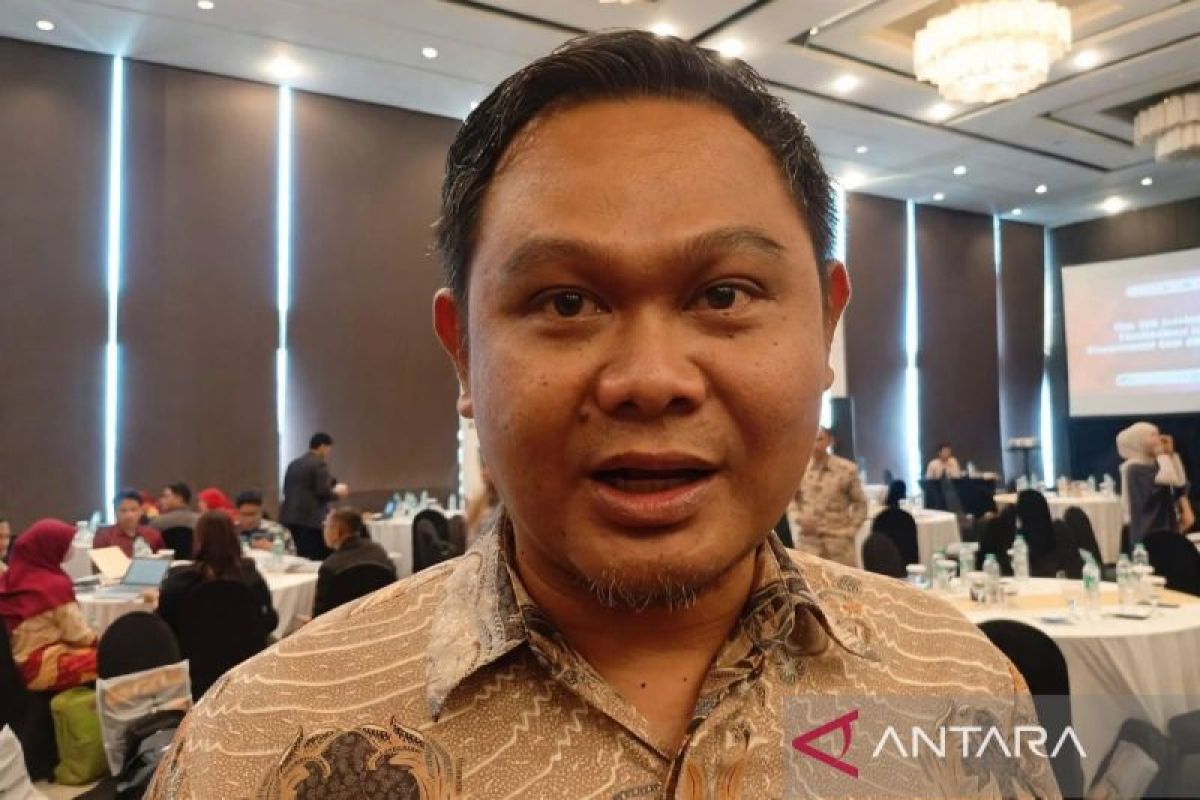
Public policy cannot be separated from the demands and support of society.
Purwokerto (ANTARA) - Professor Tedi Sudrajat, an expert in state administrative law and employment law at Universitas Jenderal Soedirman (Unsoed) Purwokerto, has said that government legal policy must be able to support sustainable development by taking into account economic, social and environmental interests.
“The success of sustainable development is not determined only by economic aspects, but also by how legal policy is able to regulate and maintain a balance between various interests,” he said at The 4th International Conference on Law, Governance and Social Justice (ICOLGAS) 2026 in Purwokerto, Banyumas Regency, Central Java, on Tuesday.
According to him, the government has a strategic role in promoting sustainability through the formation of policies and regulations that correspond to the needs of society and the evolving challenges it faces.
In that context, he said, public participation is one of the essential elements in the policy-making process, as it can provide input on the needs and problems faced by the public.
“Public policy cannot be separated from the demands and support of society. Therefore, public participation needs to be part of the policy-making process,” he said.
He said that legal policy must also be able to adapt to changes and development challenges, so that the regulations produced do not stop at the normative level but can be applied effectively.
According to him, sustainable development requires governance that is able to connect the interests of government with the needs of society through responsive policies.
“The relationship between policy, law and governance becomes increasingly important when the government faces demands to produce development that not only delivers short-term benefits, but also safeguards sustainability for future generations,” he said.
Speaking on the sidelines of the conference, Professor Tedi said the material presented at ICOLGAS 2026 discussed how to design law for the future by integrating societal pluralism into equitable public legal policy.
According to him, the aspirations of society gathered through such a process must then be translated into responsive law, so that it is able to deliver benefits and justice for the public.
He said one of the problems in law-making today is the tendency towards a top-down approach, in which regulations are largely formed by the DPR or the government.
“Good legal design is when law-makers first listen to the needs of society. By listening to society, the law will become an answer to existing needs,” he said.
Professor Tedi stressed that meaningful participation is key to building responsive legal policy, because that process allows the law genuinely to spring from the needs of society.
The 4th ICOLGAS 2026, held in hybrid format in Purwokerto on 15–16 September, served as an academic forum to discuss various issues of law, governance and social justice, including the role of policy in supporting sustainable development.