
Unseaworthy Second-hand Ship Sinks in Java Sea, 666 Dead
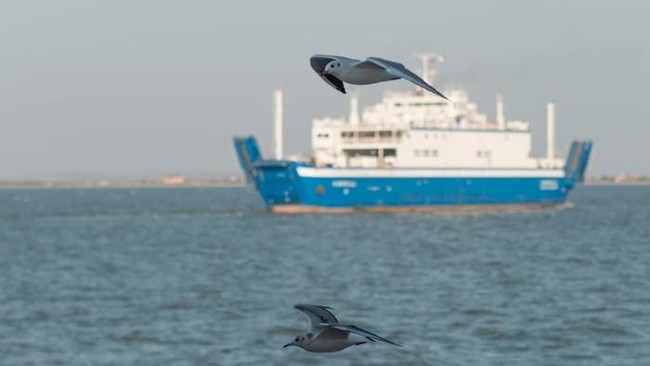
Due to the decision to force passengers onto a vessel intended solely for cargo, the Tampomas II sank in the Java Sea. A total of 666 people lost their lives in the incident that occurred on 27 January 1981.
At the time, the Tampomas II was sailing from Tanjung Priok, Jakarta, to Makassar with a full load. The ship was carrying 191 cars and 200 motorcycles. The number of people on board was estimated to be as high as 1,442, with some sources even recording up to 2,000 passengers. However, the official passenger count was only around 1,000, with the remainder being undocumented passengers.
The journey was problematic from the start. The Tampomas II was originally scheduled to depart on 23 January 1981, but the departure was delayed due to engine failure. After repairs were completed, the ship finally set sail for Makassar.
The disaster reached its peak on the night of 25 January 1981, at approximately 20:00 WITA. A fuel leak triggered a fire in the engine compartment. According to a report by Tempo magazine (February 1981), an individual named Endang was the first to notice the danger after smelling burning and feeling intense heat.
Upon seeing the flames, he immediately reported it to the ship’s officers. The engineer stopped the engine, and the fire alarm sounded. Panic broke out among the passengers, while the crew attempted to provide instructions on the use of life jackets.
Engine crew members attempted to extinguish the fire using portable extinguishers. However, according to an investigation by the Berita Yudha newspaper (20 March 1981), many of the ship’s officers did not know how to operate the fire extinguishing equipment. The newspaper reported, “They did not know how to use the fire detection or fire indicator systems on the KM Tampomas II during the disaster.”
Consequently, the fire continued to grow, spreading from the engine room. The situation worsened after the generator failed, meaning water could no longer be used to spray the flames. The fire eventually reached the storage area for cars and motorcycles, which still contained fuel.
Passengers attempted to save themselves; some jumped into the sea, while others tried to use lifeboats. The evacuation was chaotic. After several hours, the flames caught the attention of other passing ships.
However, rescue efforts were unsuccessful. The ship’s condition deteriorated further, particularly after rain began to fall, causing water to flood the vessel. Ultimately, the engine room suffered a massive explosion, and the Tampomas II sank on 27 January 1981, at approximately 12:45 WIB (13:45 WITA) in the Masalembu waters of the Java Sea. 666 deaths were recorded, though the actual number of victims is suspected to be higher due to the presence of undocumented passengers.
Unseaworthy Second-hand Vessel
According to the Berita Yudha newspaper (31 March 1981), the issues surrounding the Tampomas II existed long before the tragedy. The second-hand ship had been purchased by PT Pengembangan Armada Niaga Nasional (PANN) from the Japanese company Comodo Marine Co. SA for US$8.3 million.
This price was questioned, as PANN had reportedly been offered another vessel for US$3.6 million. The discrepancy led to allegations of corruption in the procurement process.
The Tampomas II was originally designed as a cargo ship but was subsequently used to transport both passengers and goods. Several safety requirements were reportedly not fully met, including safety certificates that were only temporary.
These conditions led to questions regarding the seaworthiness of the Tampomas II, which ultimately resulted in the fire and sinking that claimed 666 lives. During the investigation, the Maritime Court determined that the fire was caused by a cigarette butt, exacerbated by negligence from both the crew and the ship’s management.