
Unravelling the Storm in the Strait of Hormuz
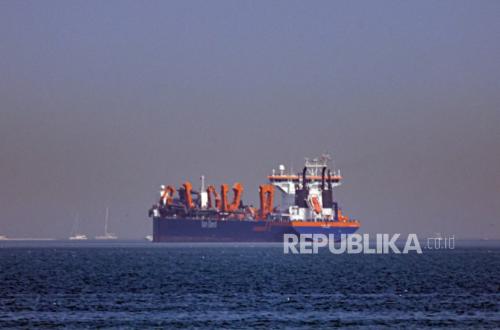
The world is currently gripped by suffocating tension. The Strait of Hormuz—a narrow artery separating the Gulf of Oman and the Persian Gulf—has once again become the epicentre of geopolitical crisis.
For Iran, this strait is not merely a waterway but the ultimate weapon in asymmetric warfare to pressure the United States and Israel. If this energy gateway is locked, the pulse of global oil and gas transportation will stutter to a halt immediately. The impact is not just a technical disruption but a destructive global economic shock; a massive tremor ready to topple the pillars of economic stability worldwide, with Indonesia directly in its path.
As a net oil-importing country, Indonesia’s dependence on energy supplies from the Middle East is a strategic vulnerability. Understanding the chain of impacts from the closure of the Strait of Hormuz is no longer merely an academic exercise but an urgent necessity for formulating national economic defence strategies, especially amid efforts to maintain economic growth targets at 5.2 to 5.5 percent in 2026.
Anatomy of Global Energy Route Disruption
The first and most fundamental point is the disruption of global energy routes. The Strait of Hormuz carries about 21 percent of the world’s daily liquid oil consumption. Closing this route will create unprecedented energy logistics congestion. Analytically, this will trigger a systematic domino effect.
Based on the latest market data, the trend in WTI (West Texas Intermediate) crude oil prices has shown worrying volatility. Entering the first quarter of 2026, particularly since Iran was attacked by the US and Israel and the Strait of Hormuz was closed by Iran, crude oil prices have surged sharply, breaking through US$97.02 per barrel, a significant increase of 2.69 percent in a short time (tradingeconomics.com). This surge confirms that the forward curve in the commodities market is under severe strain. Market participants are adjusting expectations to the risk of route closure, triggering panic buying at the national level.
For Indonesia, the implications are very real. Supply uncertainty in the global market will quickly translate into stockouts in some provinces. When fuel terminal stocks begin to dwindle, domestic energy scarcity will no longer be a prediction but a reality threatening national supply stability.
Rising energy prices have an extraordinarily rapid contagion effect. Analytically, we can see a systemic pattern of inflation transmission. First, increases in fuel and gas prices will trigger rises in transportation and logistics costs. Given Indonesia’s archipelagic geography, logistics costs carry significant weight in price formation.
Currently, the government is striving to keep inflation at around 2.8 percent. However, the shock in the Strait of Hormuz threatens the target of optimising inflation below 2.5 percent. The food and services sectors will absorb this shock through higher agricultural production and distribution costs. This is what we call a Cost of Living Shock—a situation where energy and food prices rise simultaneously, which, if not controlled, will severely hit the purchasing power of the middle and lower classes.
Not only that, the closure of the Strait of Hormuz is a nightmare for the state budget. Indonesia faces a major fiscal shock due to sustained energy price increases. This vulnerability is exacerbated by our very large oil import volume. More than 40 percent of Indonesia’s main crude oil import sources come from countries that must pass through the Strait of Hormuz, such as Saudi Arabia and the UAE.
This condition places the budget deficit target of 2.65 percent of GDP in a highly vulnerable position. Every US$1 increase in crude oil prices (ICP) per barrel impacts subsidy spending by trillions of rupiah. If we aim to pursue deficit optimisation at 2.30 percent for fiscal consolidation, dependence on global oil prices must be mitigated immediately.
In addition, the debt-to-GDP ratio, currently at 39.4 percent, risks surging again if the government is forced to take on new debt to cover the spike in energy subsidies.
Mitigation Amid the Storm
Facing this potential crisis, the government can no longer rely on conventional methods. Radical yet measured mitigation steps are required as follows:
First, in facing this economic turbulence, the government is urged to take bold action by completely overhauling the national subsidy architecture. The compensation policy paradigm must be transformed immediately; shifting from commodity-based subsidies that miss targets to precise subject-based subsidies.
In an emergency situation, subsidised energy allocation should ideally be prioritised exclusively for public transport fleets and logistics chains carrying essential goods to tame food price volatility. Conversely, private vehicle users should be encouraged to transition to market economic prices. This restructuring step becomes a crucial instrument to gradually lower the debt ratio towards a target below 38 percent.
Second, SMEs are the most vulnerable backbone of the economy to rising production costs. The government needs to prepare a crisis financing package so that this sector can continue to support national economic growth at 5.2 percent.
Third, to dampen the Cost of Living Shock, market operations must be conducted massively. This is the key to controlling volatile foods so that inflation remains within a safe corridor.
Fourth, long-term protection