
Unram Professor: Sade Reconstruction Must Not Resemble Housing Estates
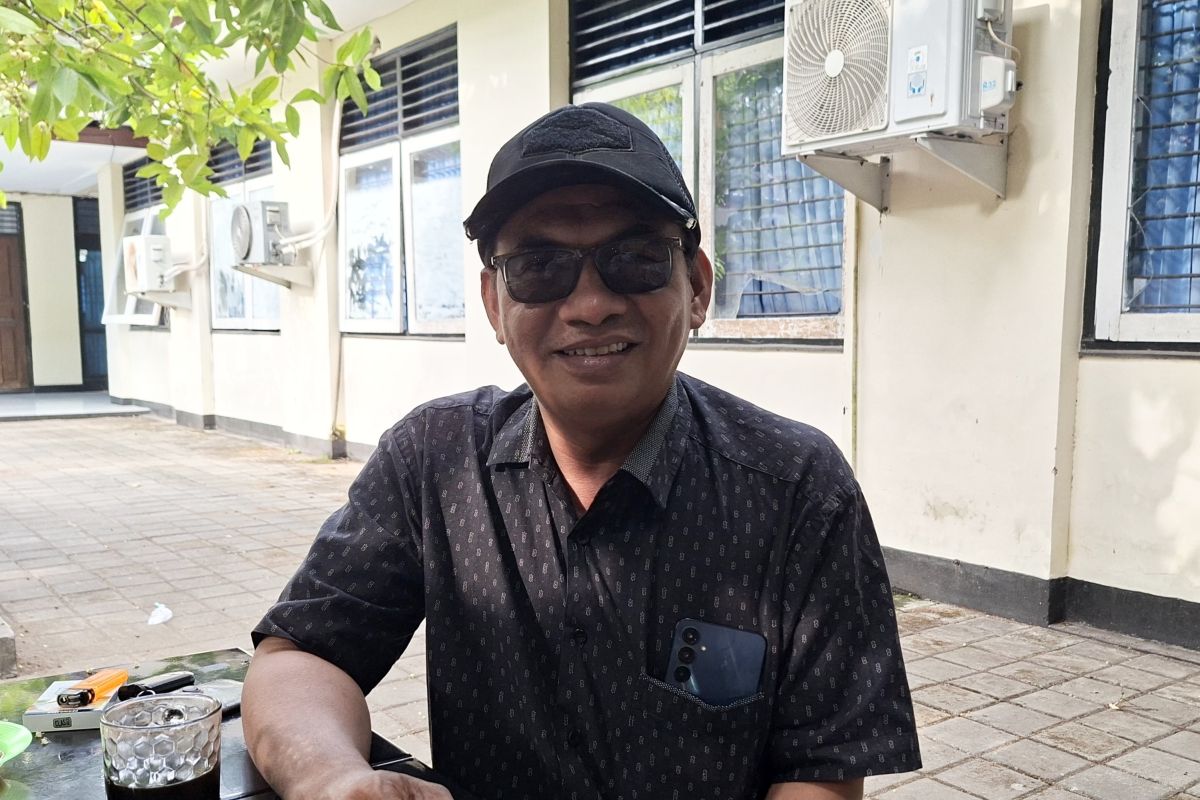
Mataram (ANTARA) - A Professor of Literature and Culture at the University of Mataram (Unram), Professor Nuriadi, has reminded the government that the reconstruction of Sade Traditional Village in Central Lombok, West Nusa Tenggara, must not standardise house designs like a modern housing estate.
“It must not resemble a housing estate, which would give the impression of being artificial rather than original. Therefore, the responsible parties need to discuss the specific details regarding the architectural patterns,” he stated in Mataram on Friday.
Nuriadi believes that the concept of uniform house shapes during reconstruction could erase the authenticity and cultural character of the community in Sade Traditional Village.
According to him, Sade is a cultural tourism icon for West Nusa Tenggara, representing the culture of the Sasak people through its architecture, social customs, heirlooms, woven clothing, and arts. Consequently, traditional houses and ‘alang’ or granaries are vital elements that must be reinstated during the reconstruction.
“The situation in Sade should not be viewed merely as a disaster involving residential or village fires, but as a cultural disaster,” said Nuriadi.
Nuriadi also highlighted the plans to rearrange the distance between buildings in Sade. The pattern of closely-knit settlements is a fundamental part of the communal lifestyle of the Sasak people; therefore, any changes to this pattern must be discussed with the local community first.
He assessed that while the physical construction of Sade can be completed relatively quickly, the restoration of heirlooms and collective memory requires special attention. Therefore, he suggested that the reconstruction should be supported by a team that handles not only physical development but also the identification and reintroduction of Sade’s cultural elements.
Nuriadi hopes that those involved in the reconstruction will embrace and listen to the community during the development process, ensuring that the reconstruction encompasses both physical structures and the intangible cultural heritage of Sade Traditional Village.
Eyewitnesses reported that the fire first emerged from one of the houses in the middle of the traditional settlement. The flames then spread to several other houses, most of which were constructed from highly flammable materials such as wood, bamboo, and thatch.
Sade Traditional Village is one of the oldest traditional villages on Lombok Island, having existed since the 16th century and passed down through 15 generations.
Among both domestic and international tourists, the village is renowned as a cultural destination that maintains the various traditional customs of the Sasak tribe.
On 3 September 2026, the residents of Sade Traditional Village performed the ‘Nyemulak’ tradition, or the planting of pillars, as a symbol of the rebuilding of the Sasak Traditional Houses and the Sade Mosque, which were previously destroyed by fire. ‘Nyemulak’ represents the long-term effort of the local residents to reconstruct Sade Traditional Village.