
Unpacking China's Dominance in the Indonesian Electric Vehicle Market
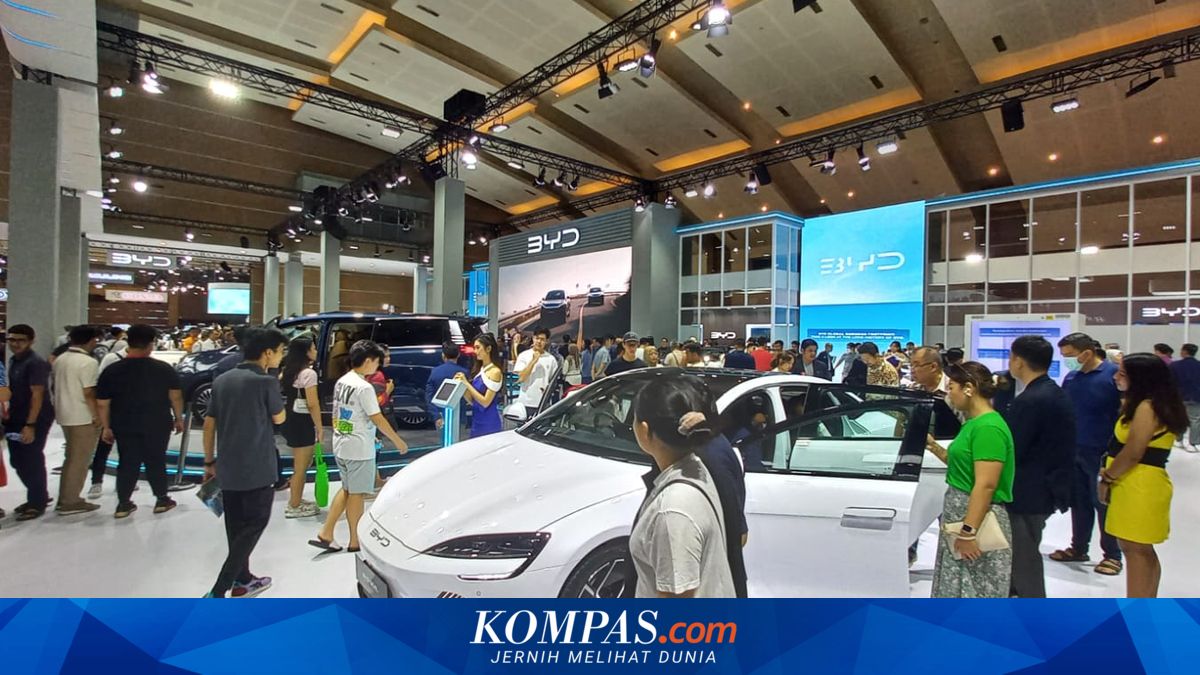
The Indonesian automotive landscape is undergoing an unprecedented tectonic shift not seen in the past five decades. The absolute dominance of Japanese brands, entrenched since the 1970s, now faces an existential challenge from the wave of electric vehicle (EV) penetration originating from China. This phenomenon is not merely a change in consumer preferences but a manifestation of sophisticated vertical integration strategies, aggressive state policy support, and mastery of the supply chain from upstream nickel to downstream assembly. In the last three years, China has transformed itself from a mere newcomer into the principal conductor of the transport electrification orchestra in the country. The national automotive market in the 2024-2025 period presents a fascinating paradoxical picture. On one hand, the conventional internal combustion engine (ICE) vehicle market has experienced a sharp contraction due to weakening purchasing power and exchange rate fluctuations. However, the EV segment has shown exponential growth defying the market trend. Based on industry data, while the light vehicle segment overall declined by around 11% in 2025, EV adoption surged by 49%. This growth is driven by the massive penetration of Chinese brands that have successfully ‘democratised’ EV technology through highly competitive pricing strategies. Approximately 90% of total sales are dominated by nine Chinese original equipment manufacturers (OEMs). BYD, which began mass deliveries in mid-2024, immediately made an impact with the M6 model recording 6,142 units delivered, making it the best-selling electric model for the year. The success of this electric MPV demonstrates China’s deep understanding of the Indonesian market’s fondness for large-capacity family vehicles. By November 2025, total national electric car sales had surpassed 82,525 units. China’s dominance is increasingly unassailable, with the top five best-selling brands all originating from the Land of the Bamboo Curtain, except for Hyundai from South Korea, which is beginning to slip to mid-tier positions in terms of volume. Wuling Motors, as a pioneer that has built a base since 2017, continues to show its mettle through BinguoEV and Air ev. Meanwhile, Chery strengthens its position with the Omoda E5, which has achieved significant sales figures. This competitive map confirms that China has not only entered the Indonesian market but has effectively taken over leadership in the narrative of the national automotive future. China’s success in Indonesia is not just built on sales figures but supported by a very serious foundation of manufacturing investment. One of its main pillars is high compliance with government localisation regulations. Through Presidential Regulation No. 79 of 2023, the Indonesian government provides exemptions from import duties and luxury goods sales tax for completely built-up (CBU) electric vehicle imports, provided manufacturers commit to local assembly (CKD) within a certain period. This strategy has successfully compelled global giants to invest capital. By the end of 2025, it is estimated that nearly 99% of the Indonesian EV market will be dominated by locally assembled units. Wuling Motors sets a precedent for the seriousness of Chinese investment with a $700 million factory in Cikarang that has cumulatively produced over 160,000 vehicles.