
Unlike Isra Miraj, Why Was the Prophet's Hijrah Not Accompanied by Miracles? Egyptian Scholar Explains
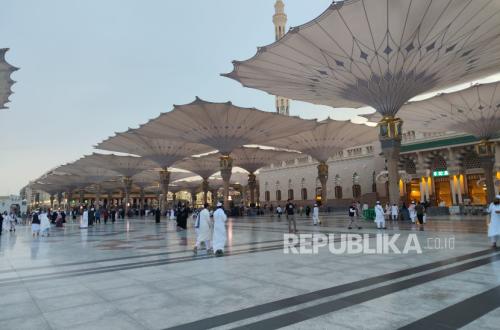
One of the interesting facts about the momentous event of the Prophet Muhammad SAW’s Hijrah from Makkah to Madinah is the absence of miracles, unlike what occurred during Isra and Mi’raj. Sheikh Ali Fakhr, a member of Egypt’s Dar Al-Ifta Fatwa Commission, explained that this was because the Hijrah carries a profound educational message: that effort and planning are inseparable parts of reliance on Allah (tawakal), not a substitute for it.
Speaking on a programme broadcast by Al-Nas channel to commemorate the Islamic New Year, he stated that Allah is certainly capable of transporting the Prophet directly, as happened during Isra and Mi’raj. However, the Hijrah was carried out through human and carefully planned means to serve as a lesson for the Ummah on how to face crises and build a nation in accordance with sunnatullah, the laws governing the universe.
Sheikh Ali Fakhr noted that one form of this planning was the Prophet’s decision to wait for divine permission before emigrating. He did not depart until he received the command, even though most of his companions had already migrated. This instils the principle of discipline and not rushing into critical decisions. Further evidence of meticulous planning and broad vision includes the choice to depart during the daytime, the assignment of Sayyidina Ali bin Abi Thalib to return items entrusted to the Prophet to their owners, and the hiring of an expert guide who had not yet embraced Islam.