
UNJ Responds to Proposal for University-Managed Nutrition Service Units
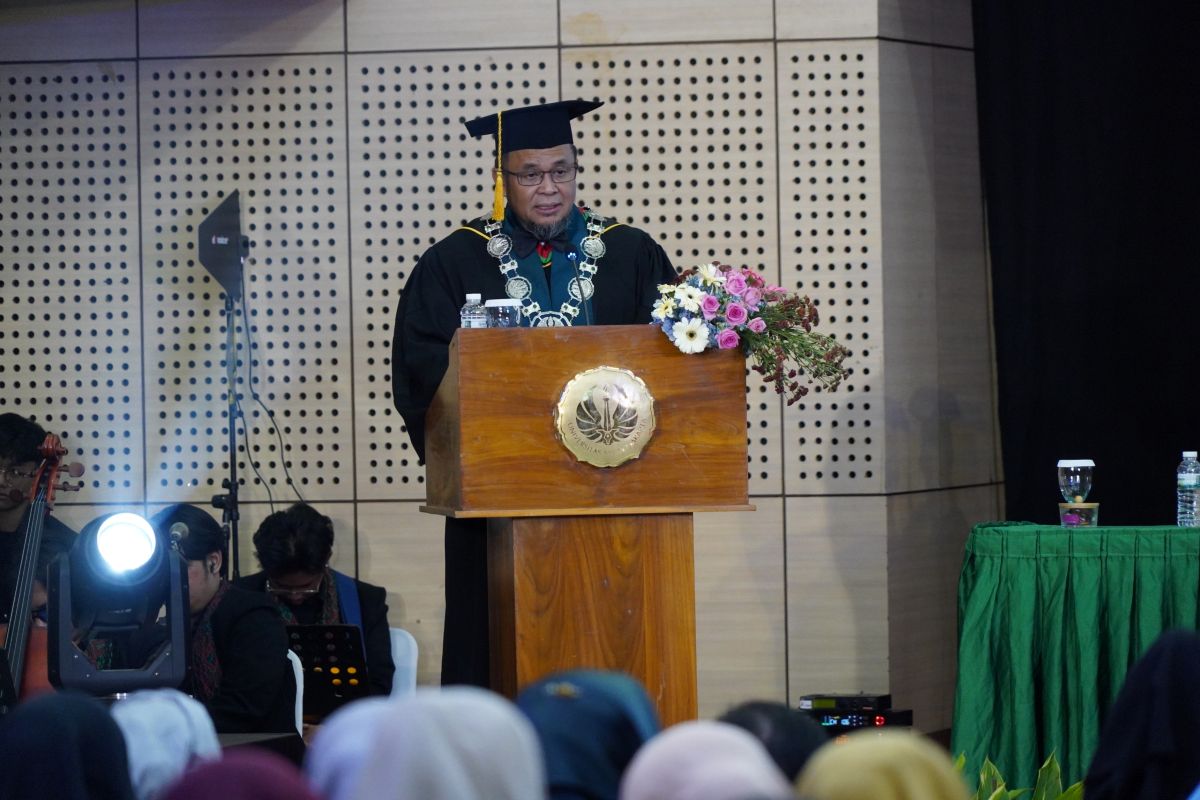
Universitas Negeri Jakarta (UNJ) is currently studying the potential involvement in operating Nutrition Service Units (SPPG). Following the lead of other state universities such as Hasanuddin University and IPB University, several private institutions are also reportedly planning to participate in the development of these units.
Responding to these developments, the Vice Rector of UNJ for Academic, Student Affairs, and Alumni, Ifan Iskandar, stated that the university is still conducting a thorough assessment. He noted that the Rector has requested the involvement of the Culinary Studies programme to prepare a team capable of managing food safety and investigating potential risks, such as food poisoning. The university is also assessing whether it can secure suitable locations for SPPG construction.
Ifan emphasised that UNJ intends to avoid any irresponsible use of the programme. He expressed support for the President’s prohibition on the illegal trading of SPPG operational sites, stating that the university must act with caution and avoid rushing into agreements that involve improper payments for locations.
However, he noted that the presence of SPPG at UNJ could offer significant educational benefits. The initiative could serve as a ‘teaching factory’ and a practical laboratory for culinary, biology, and chemistry students, allowing them to engage in real-world field practice.
Previously, the Head of the National Nutrition Agency, Dadan Hindayana, highlighted the strategic role of universities in supporting the success of this programme. He encouraged campuses to build and manage SPPG units independently, serving as centres for practice-based learning. According to Dadan, an SPPG unit functions not only as a kitchen for nutritious meals but also as an economic hub requiring large-scale food production support. For instance, a single unit requires approximately 8 hectares of rice paddy and 19 hectares of maize for livestock feed, alongside around 4,000 laying hens to ensure daily protein availability.
This large-scale requirement presents opportunities for universities to integrate academic activities with field practice, involving students in agriculture, livestock, and food distribution. Dadan emphasised that SPPG can serve as a ‘living laboratory’ for research and innovation in agricultural technology, food processing, and supply chain management, while fostering collaboration between universities, farmers, and MSMEs.