
UNJ Alumni Association Highlights Curriculum’s Role in Protecting Children from Digital Threats
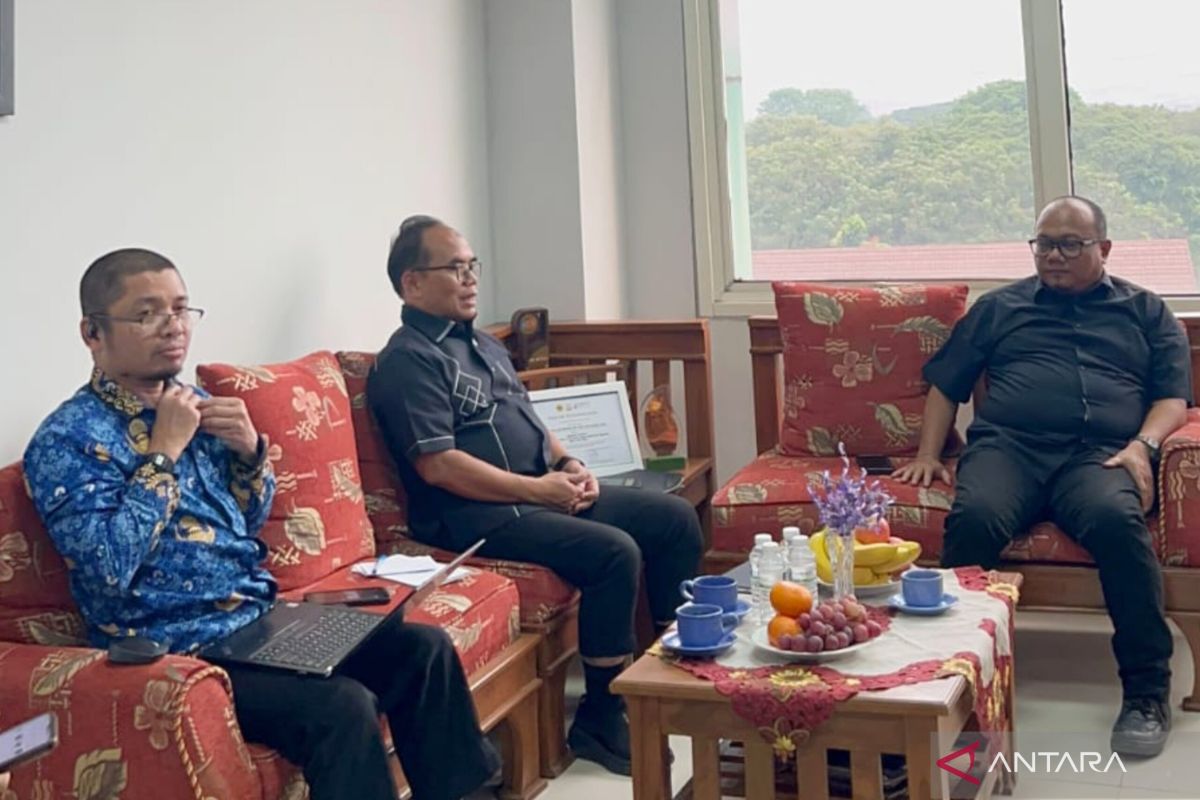
Jakarta (ANTARA) - The Central Board of the Jakarta State University Alumni Association (PP IKA UNJ) has highlighted the importance of educational approaches and curricula in protecting children from various threats in digital spaces.
“Formal curricula should serve as a preventive tool to protect children from cyberbullying, gadget addiction, exposure to harmful content and the misuse of artificial intelligence (AI),” said Afif Yusuf, organiser of the third Pedagogical Discussion Forum (FDP), at the UNJ campus in Rawamangun, East Jakarta, on Friday.
The forum emphasised the need to build an education system that does not merely react to problems, but also equips students to recognise and anticipate risks from an early stage.
Afif said digital spaces now pose serious challenges to children’s development. A reactive approach, taken only after problems arise, is therefore no longer sufficient.
“We need structured measures. The formal curriculum must be transformed into a protective shield, and educators must be present as moral compasses,” Afif said.
He added that efforts to protect children in the digital era must begin in educational settings by strengthening curricula so they can adapt to technological developments.
Meanwhile, PP IKA UNJ Executive Chair Suherman Saji, attending on behalf of the association’s chair, Sugeng Suparwoto, stressed that education must equip pupils with the ability to protect themselves from various digital risks.
Students need ethical awareness, the skills to recognise threats and the ability to consider the consequences of their activities in digital spaces.
“The curriculum must not focus solely on acquiring cognitive knowledge. Students must be able to anticipate digital risks before they become victims or perpetrators. This is where teachers must act as guides and role models,” Suherman said.
Child Protection Commission of Indonesia (KPAI) commissioner Kawiyan warned that protecting children online cannot rely solely on government regulations, including PP Tunas and Presidential Regulation No. 87 of 2025.
Children risk exposure to harmful content and may be targeted by online predators if they do not receive adequate guidance.
“Do not leave our children to be raised by gadgets alone. Schools, families, communities and digital platforms must work closely to build a safe ecosystem,” Kawiyan said.
The discussion also addressed the challenges posed by generative AI in the learning process.
Hadi Nasbey, dean of UNJ’s Faculty of Mathematics and Natural Sciences, urged educators to guide the use of technology so that it continues to support critical thinking and academic integrity.
He said AI should be used as a learning aid, not as a shortcut that replaces the process of understanding, analysing and producing independent thought.
“AI is an assistant, not a substitute for human thought. The greatest challenge is not simply instant plagiarism, but how we teach children to be honest in their process. However advanced the technology, it can never replace educators’ role as guardians of morality,” Hadi said.
Aan Harinurdin, head of pedagogy at PP IKA UNJ and moderator of the third FDP, said strengthening character and human empathy was key to meeting the challenges of rapidly advancing technology.
“Moral example can only be passed from person to person. That is the noble task of educators: to humanise our curriculum in the digital era,” Aan said.
Source: jawawa.id (https://jawawa.id/newsitem/unj-alumni-association-highlights-curriculums-role-in-protecting-children-from-digital-threats-1793346725)
Originally published by Antara (Indonesian) (https://www.antaranews.com/berita/5821291/pp-ika-unj-soroti-kurikulum-untuk-lindungi-ancaman-ruang-digital), translated from Indonesian