
University of Indonesia Extends Benefits to Children and Families of Indonesian Migrant Workers in Malaysia
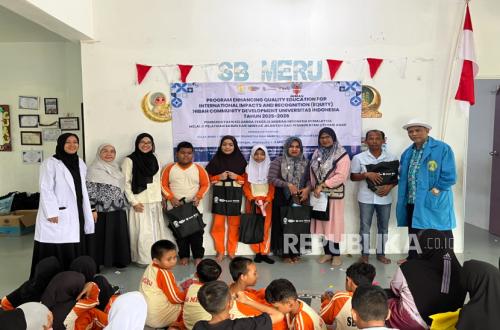
Jakarta – The University of Indonesia’s community-service team has contributed to empowering Indonesians in Selangor, Malaysia. The sustained programme, led by Agustino Zulys, runs from December 2025 to May 2026. Under the theme ‘Empowering the Families of Indonesian Migrant Workers in Malaysia through Soap-Making Training from Used Cooking Oil and Enhancing Children’s Literacy’, the initiative is the first such effort conducted at Sanggar Bimbingan Meru, Selangor. The activities target children, their parents, and teachers as part of a comprehensive move to empower migrant workers’ families. During the initial phase, the programme mapped a range of community needs, which then formed the basis for the subsequent phase. As a result, activities were developed in two stages with a deeper focus. In the follow-up phase, the team emphasised strengthening the parental role in child-rearing. Activities also included direct observation of emotion simulations and the sensorimotor development of children, enriched through interactive science education to enhance learning experiences that are enjoyable and practical for children. This programme is part of the Enhancing Quality Education for International Impacts and Recognition (EQUITY) scheme under UI’s Community Development Grant for 2025–2026. The programme is funded by the Endowment Fund for Higher Education from the Ministry of Education, Culture, Research and Technology (Kemendiktisaintek). Soap-Making Training In December 2025, the team conducted soap-making training from used oil, a children’s literacy class, and training for creative teachers. The soap-making programme from used cooking oil aims to improve the knowledge and skills of migrant workers’ parents regarding the utilisation of used cooking oil waste to avoid wastage, health education, and potential economic value. “This programme is very important given the high levels of used cooking oil waste in daily life, i.e., cooking activities. Through a series of outreach and empowerment activities, we hope to increase the knowledge of parents of students who are, note bene, migrant workers, so that they can utilise used cooking oil waste to reduce waste and create products with economic value,” said Zulys.