
Universities Urged to Spearhead Sustainable Waste Management Movement
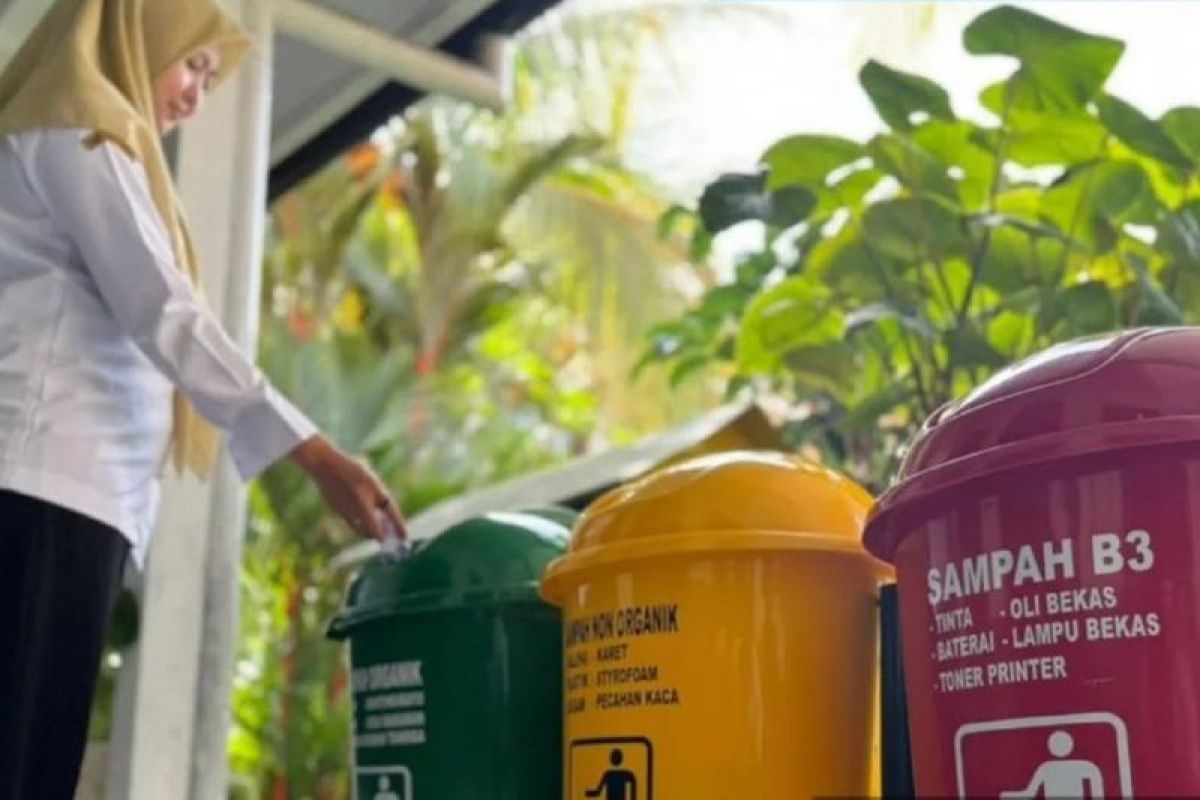
Efforts to build a sustainable waste management culture are increasingly positioning campuses as vital actors in driving changes in public behaviour. Beyond being centres of education and scientific development, universities are considered to hold a strategic role in fostering environmental awareness whilst producing a generation capable of advancing sustainable living practices within society. This role is becoming ever more critical amidst Indonesia’s persistent waste management challenges. Through various educational programmes and tangible actions, campuses are expected to become not only birthplaces of ideas but also spaces for forming eco-friendly habits applicable in daily life. This commitment is reflected in the launch of the ‘Waste Wise Campus: Dari Kampus untuk Bumi’ (From Campus to Earth) campaign, collaboratively initiated by Indofood, Nutrifood, Tetra Pak, Sido Muncul, Green Movement Indonesia, and Bakrie University to commemorate World Environment Day 2026. The programme began with a talk show themed ‘Building Awareness and Youth Collaboration for Sustainable Waste Management’, featuring academics, industry players, and environmental communities. The activity aimed to enhance students’ understanding of waste management challenges while encouraging behavioural change through waste segregation practices starting from the source. Speaking on behalf of the collaborating partners, Head of Corporate Public Relations at PT Indofood Sukses Makmur, Andrew Ferdinand Hallatu, stated that environmental issues can only be resolved through multi-party collaboration. ‘Change can be created through the tangible contribution of every element within an ecosystem. Environmental challenges require positive synergy, including the industrial world, academics, communities, government, and the public. Campuses are not only birthplaces of ideas but also platforms for cultivating habits that can have a positive impact,’ he said. According to Andrew, universities hold a strategic position in building a responsible waste management culture as they are character-building spaces as well as hothouses for social innovation. In line with this, Head of the Environmental Engineering Study Programme at Bakrie University, Aqil Azizi, assessed that universities have a responsibility to translate environmental awareness into consistent, tangible actions. ‘As an educational institution, we believe that big changes always start from small steps taken consistently. Through the Waste Wise Campus: Dari Kampus untuk Bumi campaign, we aim to build an environmental care culture starting from the campus and carried out jointly with industry players and the community,’ he said. As part of the programme’s implementation, a series of educational and participatory activities will be held within the campus environment. One initiative is the provision of Packaging Waste Dropboxes to make it easier for students to segregate and collect packaging waste for recycling. The collaboration is also realised through the Waste Wise Podcast programme, involving Communication Science and Environmental Engineering students from Bakrie University to discuss environmental issues from a youth perspective through podcast formats and mini-documentaries. Additionally, students are invited to participate in the Waste Wise Insta Challenge, encouraging the creation of creative content on waste segregation, as well as the Waste Wise Treasure Hunt, an educational game designed to enhance understanding of waste management and the circular economy. Founder of Green Movement Indonesia, Tasya Kamila, stated that major changes in environmental management can begin with simple, consistently practised habits. ‘Waste segregation might look like a simple act, but it is from simple habits that big changes begin. Students have the power to become agents of change, not only on campus but also within families and society. When the younger generation, campuses, industry, and communities move together, we are not just building awareness but also creating an environmental care culture that can endure in the long term,’ Tasya concluded.