
Universities urged to adapt to changing industries
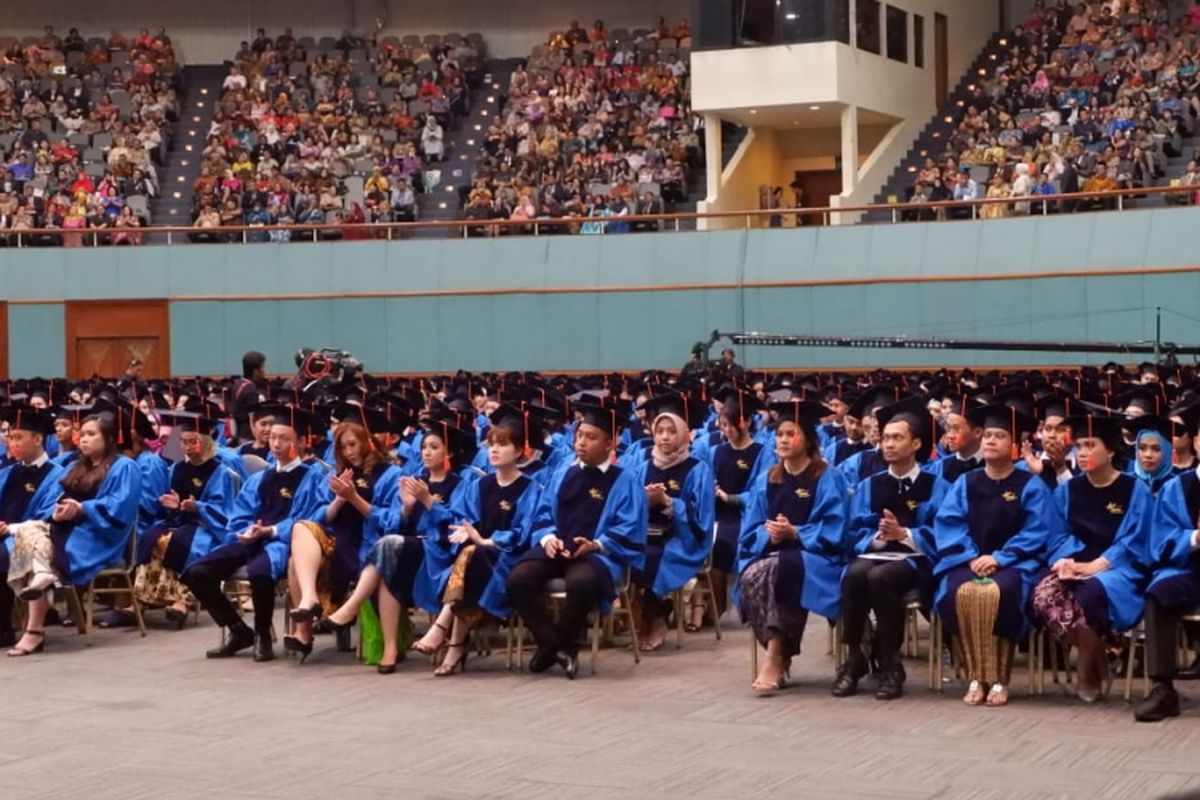
The gap between education and industry needs is increasingly a concern in higher education decisions. Amid rapid changes in the job market, parents are now considering not just a university’s academic quality but also how well it prepares students for professional life after graduation.
Industry shifts and technological advancements have made career readiness a key factor in choosing universities. Higher education is now seen as a long-term investment to equip young people with relevant skills and adaptability for evolving workplaces.
These challenges are highlighted by a ManpowerGroup global survey showing 77% of companies struggle to find skilled talent. The World Economic Forum predicts around 22% of global jobs will change by 2030, prompting universities to focus not just on academics but also on industry-relevant learning experiences.
Binus University Rector Nelly stated higher education must provide learning experiences aligned with future needs. ‘Higher education is a long-term investment in children’s futures. Students need learning that is not only academically strong but also relevant to industry and global developments,’ she said.
She added that students must expand their competencies, gain global exposure, and acquire early professional experience to better face workplace changes. ‘Learning processes should support academic growth and professional readiness,’ she added.
In line with these needs, Binus University is enhancing technology and AI use in its educational ecosystem. AI is applied not just in teaching but also in research, academic services, student support, and industry collaboration.
Students are encouraged to use AI productively, critically, and responsibly. AI integration helps them explore ideas, analyse information, solve problems, and develop solutions aligned with future needs.
In research, AI understanding drives adaptive, data-driven approaches relevant to societal and industrial needs. This is bolstered by industry collaboration and employability programmes. Through industry networks and career services, students gain insight into evolving job market demands and tech applications across professions.
Beyond tech integration, Binus offers learning programmes to broaden student experiences. The Minor Programme allows students to study outside their main field, expanding interdisciplinary competencies.
The Mobility Programme enables learning at other BINUS campuses or international partners, broadening global and cultural exposure. The Multi-Campus Programme allows students to experience different BINUS campuses with unique characteristics.
Meanwhile, the ‘2.5 Years Study, Career-Ready’ programme offers early professional experience through internships, entrepreneurship, research, community development, and international experiences. Binus is supported by over 170 partner universities worldwide and 2,200 global industry partners to strengthen education-industry links.
Through this approach, BINUS University aims to create a learning ecosystem that supports academic growth while preparing graduates to be adaptable, tech-savvy, and ready for future professional changes.