
UNIFIL: Targeting of Peacekeeping Forces Cannot Be Tolerated
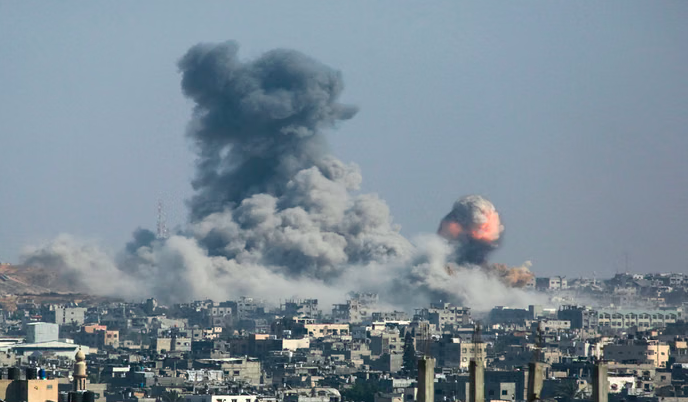
The United Nations Interim Force in Lebanon (UNIFIL) has confirmed that one peacekeeper was killed in southern Lebanon amid rising combat intensity between the Israeli military and Hezbollah militants. In an official statement on Monday (30 March), UNIFIL said the incident occurred due to a projectile explosion at one of their positions. “A peacekeeper was tragically killed last night when a projectile exploded at a UNIFIL position near Adchit al Qusayr. Another sustained critical injuries,” the UNIFIL statement quoted by Al Jazeera said on Monday (30 March). The Indonesian government confirmed that one Indonesian peacekeeper was killed, while three others were injured from indirect artillery fire. UNIFIL stated that it has yet to determine the projectile’s source and has initiated an investigation. “No one should lose their life while serving the cause of peace,” the statement emphasised. UN Secretary-General Antonio Guterres called on all parties to comply with international law. He urged that the safety of UN personnel and assets be guaranteed in all circumstances. He called on all parties to uphold their obligations under international law and to ensure the safety and security of UN personnel and property at all times. UNIFIL also reported that their positions have been targeted several times since the latest escalation of conflict that began on 2 March. Previously, on 7 March, three Ghanaian soldiers were reported injured from gunfire in the southern Lebanon border area. The conflict involving the United States, Israel, and Iran has spread to Lebanon after Hezbollah launched rocket attacks on Israel. The attacks occurred following the killing of Iran’s Supreme Leader Ali Khamenei on the first day of the war, 28 February. Before the latest escalation, Hezbollah had not conducted attacks since the ceasefire in November 2024, although Israel is said to have frequently violated the agreement. On Monday, the Israeli military reported six soldiers injured in three separate incidents, three of them in serious condition. Israel stated that ground operations in southern Lebanon aim to establish a security zone up to 30 kilometres from the border. Reporting from Beirut, Al Jazeera journalist Zeina Khodr said the Israeli military is now intensifying operations from limited strikes to large-scale ground offensives, targeting up to the Litani River. “Since last week, Israeli forces have advanced into several areas,” she said, referring to movements along the western coastal route and areas around 8 kilometres south of the city of Tyre. She assessed the situation as still very dynamic. “It’s too early to say who will prevail, but the word control will be key,” she said. “What Hezbollah will try to do is prevent Israeli troops from consolidating control, and that will be a test for Hezbollah,” she added. On the other hand, airstrikes rocked the southern suburbs of Beirut again on Monday, marking the first since Friday. Footage showed thick smoke rising from the area. The strikes came after the Israeli military issued warnings to several areas, including Haret Hreik, Ghobeiry, Laylaki, Haddath, and Burj al-Barajneh. Israel claimed to be targeting Hezbollah military facilities, though without providing evidence. Israel’s military operations in Lebanon proceed through airstrikes and ground assaults, accompanied by mass evacuation orders for residents in the south up to the outskirts of Beirut. According to field reports, many doubt the presence of military targets in some attacked areas. “Many would say there are no more military targets in this area. This is just about collective punishment and putting pressure on Hezbollah,” she continued. The United Nations recorded that more than 1.2 million people have been displaced since early March, raising concerns over a worsening humanitarian crisis in the region.