
UNICEF: Children's AI Use More Than Triple That of Adults
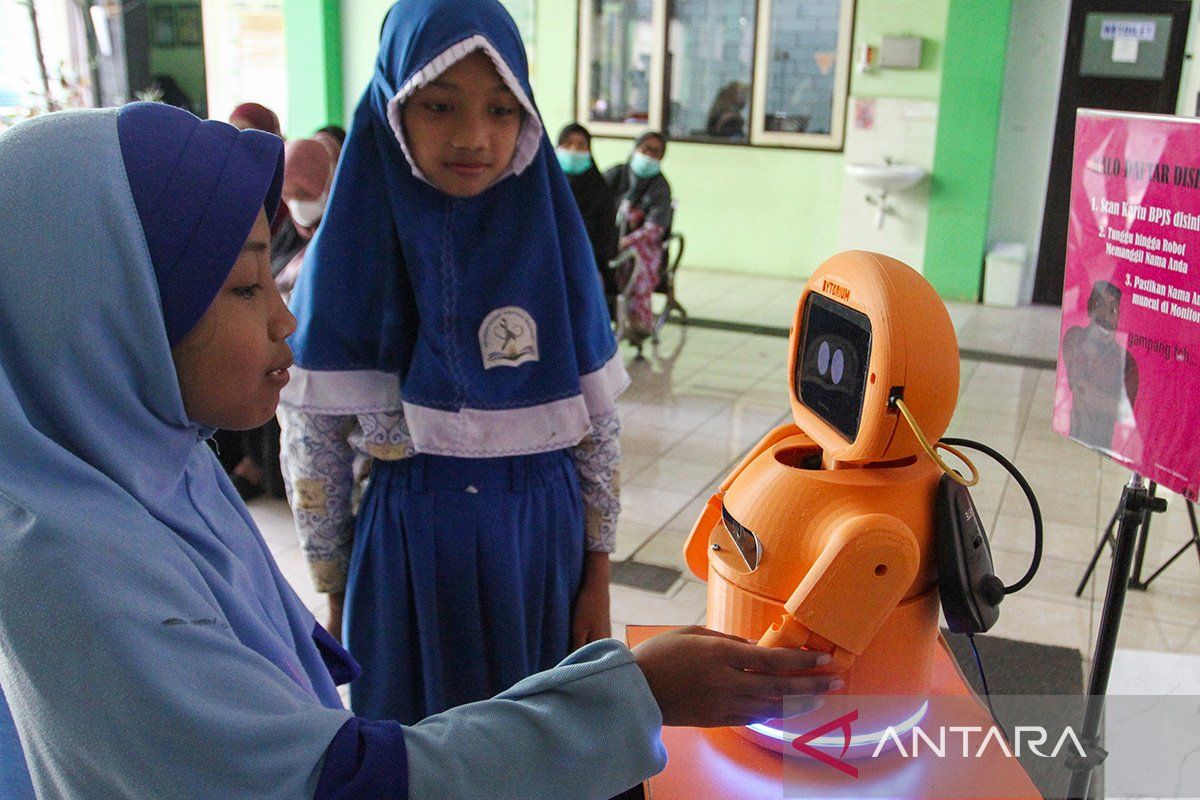
The United Nations Children’s Fund (UNICEF) said on Tuesday that children are using artificial intelligence (AI) technology at a rate more than three times faster than adults. “AI is already here. It is an ever-growing part of all our lives. And it is already shaping childhood environments around the world – for better and for worse,” UNICEF stated, citing recent data from 10 countries in a statement ahead of the first Global Dialogue on AI Governance. The agency estimates that at least 20 million children have utilised AI, with more than two million more, or one in 10 children, saying they turn to AI for advice on a range of issues they have questions about. An estimated 13 million children said they use artificial intelligence to support their learning and homework. “Children are more exposed to AI systems – including how they are designed, the underlying business models, and how their own data is used – yet have far less power to avoid or challenge them,” the statement read. UNICEF added that children “feel the impacts of weak governance first and will live with the consequences the longest.” UNICEF stated that a third of children in the 10 countries surveyed reported concerns about AI being used to deceive and trick others or spread misinformation, while a quarter feared their images or videos being manipulated into sexually explicit deepfakes. “Too many systems are reaching children without safeguards – safety, it seems, is a secondary consideration,” the agency said. UNICEF called on all governments, the private sector, and partners to embed children’s rights in global AI governance. This includes investing in research on AI risks to children, strengthening laws against AI-enabled sexual exploitation, ensuring safe and transparent AI design, building AI literacy, and closing the digital divide. “This is a defining moment. The choices made about AI now will shape children’s safety, privacy, well-being, and their equal access to opportunity for decades to come,” UNICEF stressed.