
UNICEF: 3.7 million Afghan children suffer from acute malnutrition
Istanbul (ANTARA) - Around 3.7 million children in Afghanistan are experiencing wasting or acute malnutrition, including approximately one million children suffering from severe acute malnutrition that threatens their lives, according to UNICEF on Tuesday (25/8).
UNICEF (United Nations Children’s Fund) is a United Nations (UN) agency focused on providing humanitarian assistance and long-term welfare for children and mothers worldwide.
UNICEF Representative in Afghanistan Tajudeen Oyewale said nearly 40 percent of children treated in hospitals for malnutrition with medical complications are infants under six months of age.
He said children under two years old account for 83 percent of severe acute malnutrition cases. According to Oyewale, more than 500,000 children have been treated since the beginning of the year for moderate high-risk and severe malnutrition.
The number of severe acute malnutrition cases with medical complications increased by a third, from 6,000 cases in July 2025 to 8,000 cases in July 2026, he said.
“In several regions of southern Afghanistan, some hospitals are now handling three or four children suffering from severe malnutrition for every available bed,” said Oyewale.
UNICEF said half of the children in Afghanistan live in conditions of severe child food poverty, meaning they consume food from at most two food groups each day.
According to UNICEF, children living in households with severe food insecurity can have up to six times higher risk of experiencing acute malnutrition during peak malnutrition periods.
Oyewale said years of drought, damaging heavy rains, and flash floods are further worsening the situation, compounded by regional instability affecting cross-border trade and people’s livelihoods.
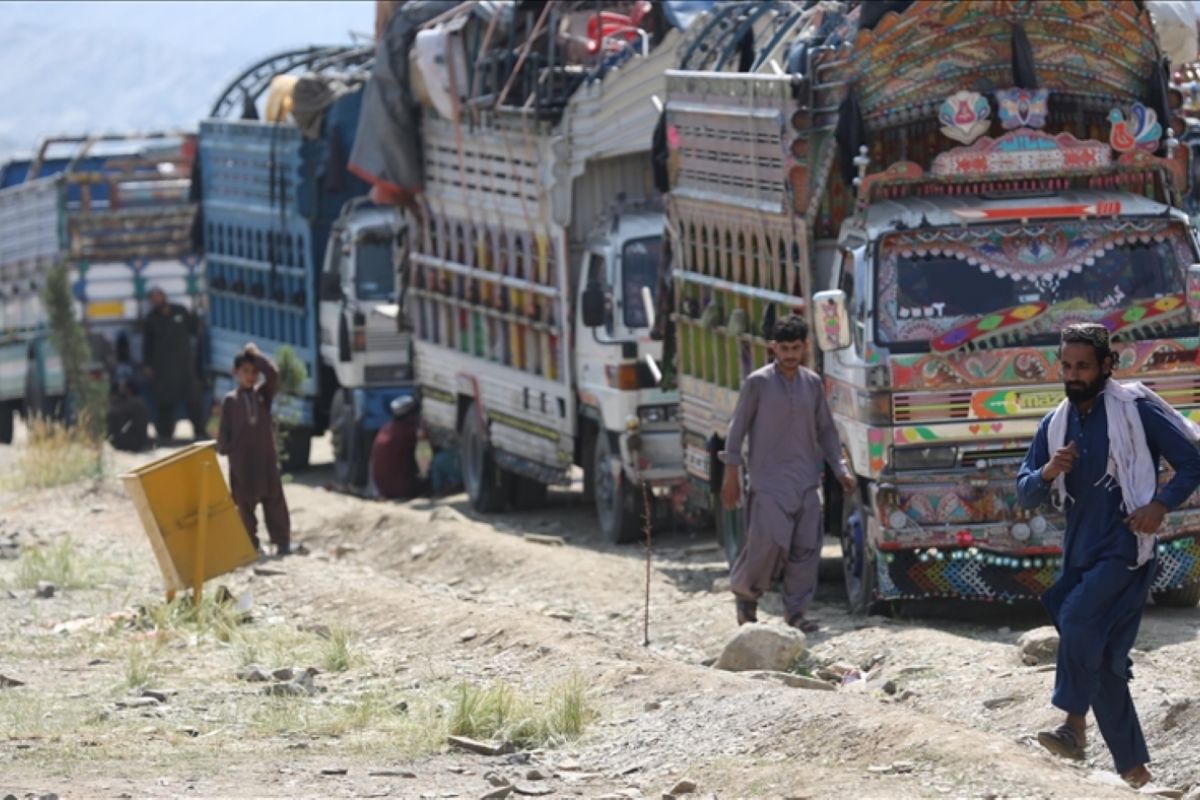
As many as six million people, more than half of them children, have returned to Afghanistan since 2023. This has further increased pressure on jobs, household resources, and health and nutrition services, he said.
UNICEF said more than 100 facilities treating children with acute malnutrition have been closed this year compared with 2025 due to resource constraints.
Hundreds of other service centres providing nutrition support for children as well as malnourished pregnant and breastfeeding mothers have also lost funding, UNICEF added.
The Nutrition Sector Response in Afghanistan faces a funding gap of 57 percent. Meanwhile, UNICEF’s nutrition programme, which requires around 180 million US dollars this year, has only secured 22 percent of its funding, according to the agency.
“Just when needs are increasing, the services available for children are decreasing due to funding cuts,” said Oyewale.
Source: Anadolu