
Unhas Rector: Professors Play Key Role in Producing Impactful Research
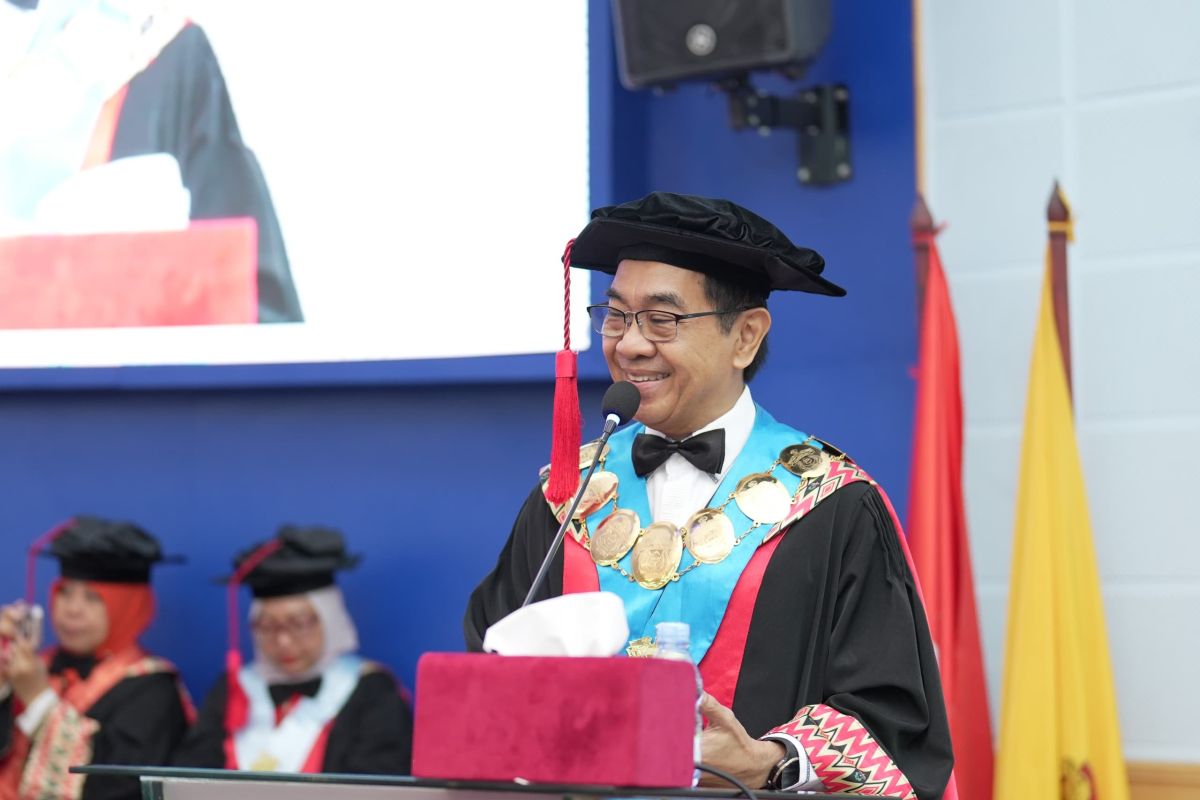
Makassar (ANTARA) - Hasanuddin University (Unhas) Makassar Rector Prof Dr Jamaluddin Jompa (JJ) has emphasised the importance of professors holding a strategic role as drivers of research, innovation, and scientific collaboration that impacts society. Prof JJ in Makassar, South Sulawesi, on Friday, said the main challenge for higher education today is not merely increasing academic productivity, but ensuring every resource is able to produce tangible impact through research and innovation. According to him, efficiency remains necessary in university management, but effectiveness is a more important measure because it determines the extent to which research, education, and community service can contribute to development. “Efficiency is important, but what is more important is effectiveness in achieving goals,” he said after the inauguration of four new professors at the Limited Academic Senate Plenary Meeting for the Professorship Appointment Ceremony in Makassar. This view aligns with global trends that position universities as centres of knowledge creation as well as producers of evidence-based solutions. Within this paradigm, he said, the quality of an institution is no longer measured solely by the number of scientific publications, but also by the extent to which research results can drive technological innovation, strengthen public policy, improve community welfare, and support economic development. The philosophy of the Unhas logo, which represents the Rooster from the East, is not merely an institutional symbol, but also reflects a spirit of leadership, courage, and the ability to be a driver of change through science. “This role must be realised through the development of innovation, strengthening the knowledge-based economy, and academic contributions in responding to ever-evolving geopolitical dynamics,” he said. He also stressed the importance of strengthening science diplomacy, namely the use of scientific cooperation as an instrument for building international relations while generating solutions to various transnational issues. Through global academic networks, universities can accelerate knowledge exchange, improve research quality, and expand Indonesia’s contribution to the development of world science. According to Prof JJ, the current changing geopolitical landscape is increasingly influenced by geo-economic factors, where mastery of science, technology, and innovation determines a nation’s competitiveness.