
Unhas Professor: 90 Per Cent of Land-Based Waste Has Potential to Become Microplastics
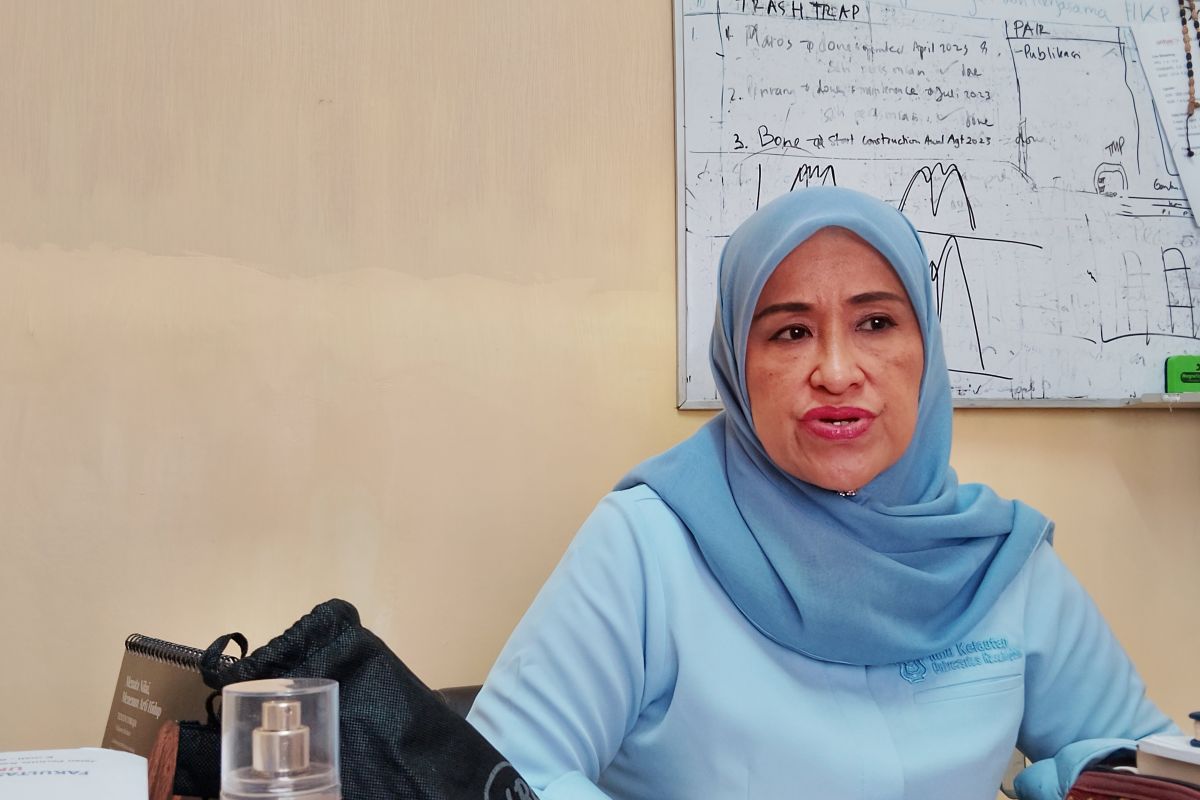
Makassar (ANTARA) - A microplastics expert from Hasanuddin University (Unhas), Professor Dr Shinta Werorilangi, has warned that approximately 90 per cent of waste originating from land-based activities has the potential to pollute the sea and become a source of microplastics.
“This waste originates from various community activities, particularly households, which can then leak into the environment through canals, drainage, rivers, and various waterways before flowing into the sea,” Shinta stated in Makassar on Wednesday.
According to her, the issue of microplastics must be addressed at its initial source. Large-scale plastic waste, or macroplastics, that is not properly managed can undergo weathering and break down into extremely small particles.
She explained that all types of plastic have this potential, depending on how long they have been in the environment and the specific type of plastic itself. This process can occur more rapidly when plastic waste is in water.
“Water movement, exposure to weather and temperature, as well as environmental conditions, can accelerate the process of plastic fragmenting into smaller pieces,” she said.
Plastic made of thinner materials, she noted, tends to weather more easily compared to thicker plastics. Consequently, plastic waste left in the environment for long periods has a greater chance of becoming microplastics.
Shinta emphasised the importance of waste sorting at the source, particularly by separating organic waste from dry waste. Sorting will facilitate the processing and recycling process while maintaining the economic value of materials that can still be utilised.
Waste that has been mixed and accumulated in landfills, according to her, becomes increasingly contaminated, making the sorting process difficult and potentially reducing its economic value.
“Sorting also allows us to separate dry waste from wet waste, or organic waste from inorganic waste,” she said.
In addition to management systems, Shinta assessed that the human resources involved in waste management must possess a good understanding of the processes of sorting, processing, and recycling. Public education is also necessary so that sorting is practised starting from the household level.
The threat of microplastics, she continued, does not only impact marine ecosystems. These tiny particles can be ingested by marine biota, such as fish, prawns, and crabs, and subsequently have the potential to enter the food chain when seafood is consumed by humans.
Therefore, efforts to tackle microplastics must begin on land by preventing plastic waste from leaking into the environment. Reducing plastic waste, sorting at the source, and implementing processing and recycling are considered vital steps to reduce the burden of marine pollution.