
Unhas Lecturer Develops Six Seaweed Products with BPOM Distribution Permits
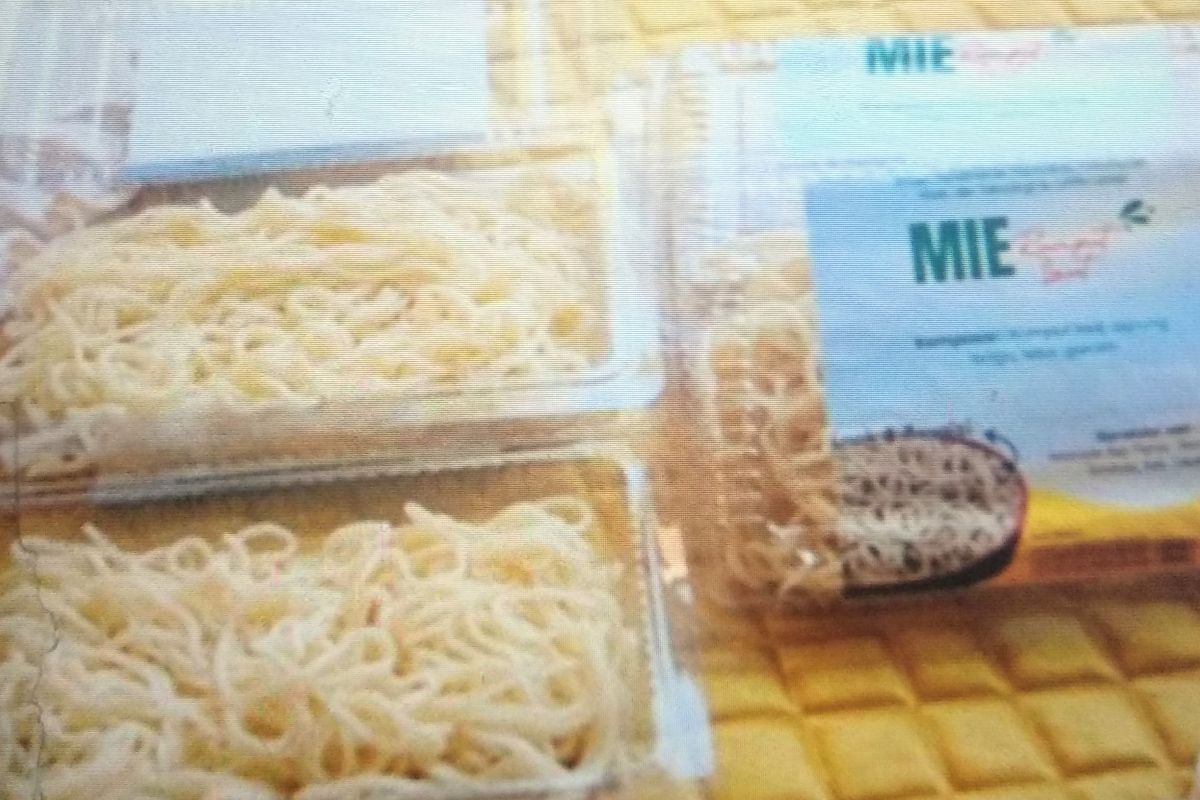
A lecturer from the Faculty of Marine Science and Fisheries at Hasanuddin University (Unhas), Dr Kasmiati, and her team have developed a range of functional foods and produced seaweed-based products that have obtained distribution permits from the Food and Drug Supervisory Agency (BPOM). The seaweed products that have received BPOM permits include seaweed noodles, seaweed cendol, seaweed brownies, seaweed muffins, seaweed meatballs, and seaweed nuggets. “Before being registered with BPOM, these products were introduced to community groups through training and mentoring so they could become an alternative business based on local resources in Unhas-assisted villages,” said Dr Kasmiati in Makassar on Thursday. The distribution permit certificates were handed over during the Acceleration of Academia, Business, Government (ABG) Collaboration event organised by BPOM in Makassar on 11 July 2026. For Kasmiati, seaweed not only holds potential as an export commodity but is also a nutritious food source that can be processed into various products for public consumption. She hopes that cultivated seaweed will no longer stop at being a raw material but will become a value-added product that opens up new business opportunities for coastal communities. “Seaweed is one of Indonesia’s leading commodities, especially in South Sulawesi. We are driven to develop various seaweed-based food products that have higher added value while providing health benefits,” she explained. According to Kasmiati, the biggest challenge in seaweed innovation is maintaining the bioactive content without sacrificing taste, texture, or appearance so that the products remain acceptable to consumers. Kasmiati began her research five years ago, starting from raw material characterisation, formulation optimisation, laboratory testing, organoleptic tests, production process standardisation, shelf-life testing, to food safety evaluation. The research also involved undergraduate students through their final assignments and was implemented in various community service activities in coastal areas. The advantage of the innovation lies in the formulation, which produces food with better nutritional content without eliminating the sensory characteristics favoured by the public. This innovation results in functional foods that are easy for communities and business operators to adopt and develop.