
Unhas develops OCEANS programme to reduce stunting risks in coastal areas
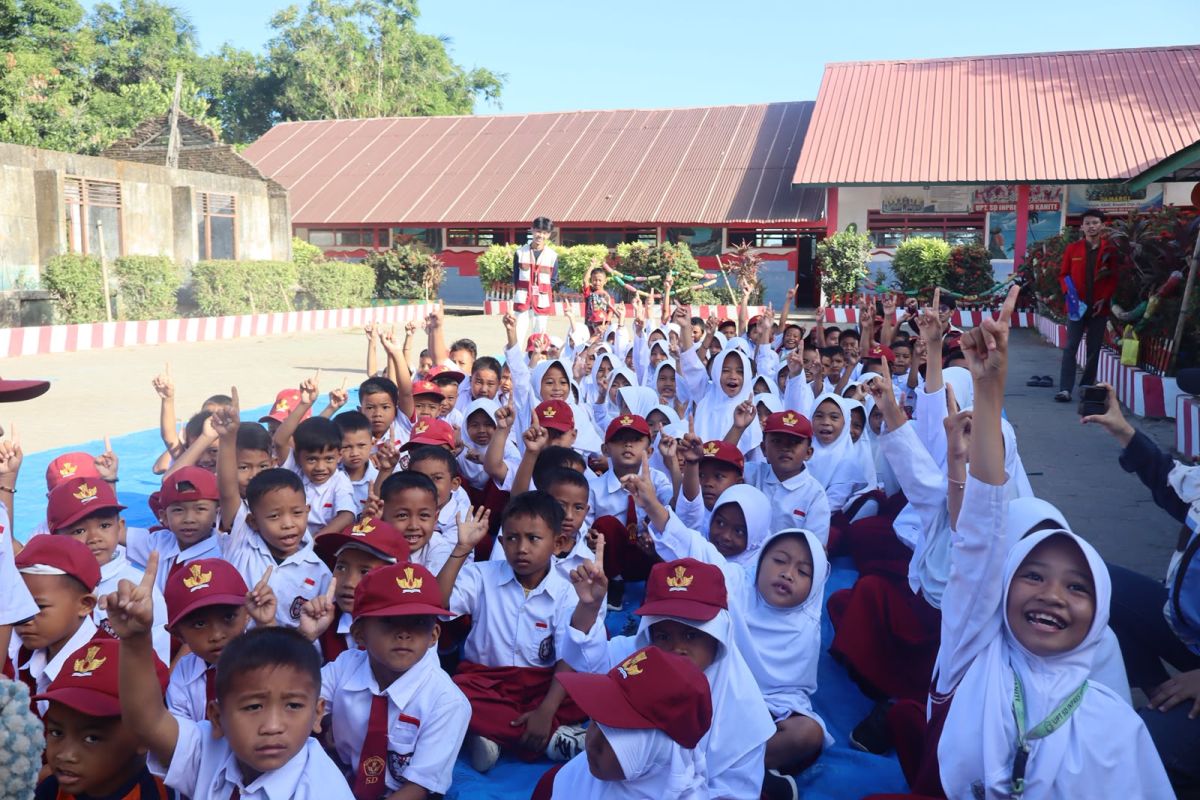
The Student Organisation Capacity Strengthening Team (PPK Ormawa) from the Veterinary Medicine Student Association (Himakaha) at Hasanuddin University (Unhas) has introduced the OCEANS (One Health Coastal Environment and Nutrition Sustainability) programme. This strategy aims to control stunting risk factors by leveraging the potential and characteristics of coastal regions.
Rahmat Satrio, Chairman of the PPK Ormawa Himakaha Unhas team in Makassar, stated on Sunday that the programme was developed using a One Health approach. This method integrates human health, animal health, and environmental health to support sustainable stunting prevention efforts.
He noted that the involvement of veterinary students stems from veterinary science, which is closely linked to public health. “The issues of stunting and diarrhoea are related to food safety, environmental health, and human health, which all influence one another,” said Rahmat.
The One Health concept is applied through a series of complementary interventions. Regarding food security, the team utilises tilapia raised through biofloc cultivation as a protein source for complementary foods (MPASI). In terms of public health, students are strengthening education on Clean and Healthy Living Behaviours (PHBS) to reduce the risk of infectious diseases. Meanwhile, regarding the environmental aspect, the programme encourages increased community awareness regarding the importance of sanitation as part of stunting prevention efforts.
“Through the One Health approach, we are contributing to promoting animal-origin food safety, environmental health education, and cross-disciplinary collaboration to support the improvement of public health quality,” Rahmat continued.
To ensure the programme’s sustainability, the team has developed the GiziTa application, which allows the community to monitor nutritional status independently without relying on the presence of students. Additionally, training for Posyandu (integrated healthcare centre) volunteers is being conducted to strengthen early stunting detection capabilities, ensuring that community-led assistance can continue.
Rahmat stated that experience from implementing the programme in Popo Village, Takalar District, South Sulawesi, shows that the availability of animal protein is a vital asset in stunting prevention. However, he added that the benefits of these protein sources must be supported by a healthy environment, clean living behaviours, food safety, and active community involvement to achieve an optimal impact on child development.