
Unhas and US Embassy Collaborate on Health Research
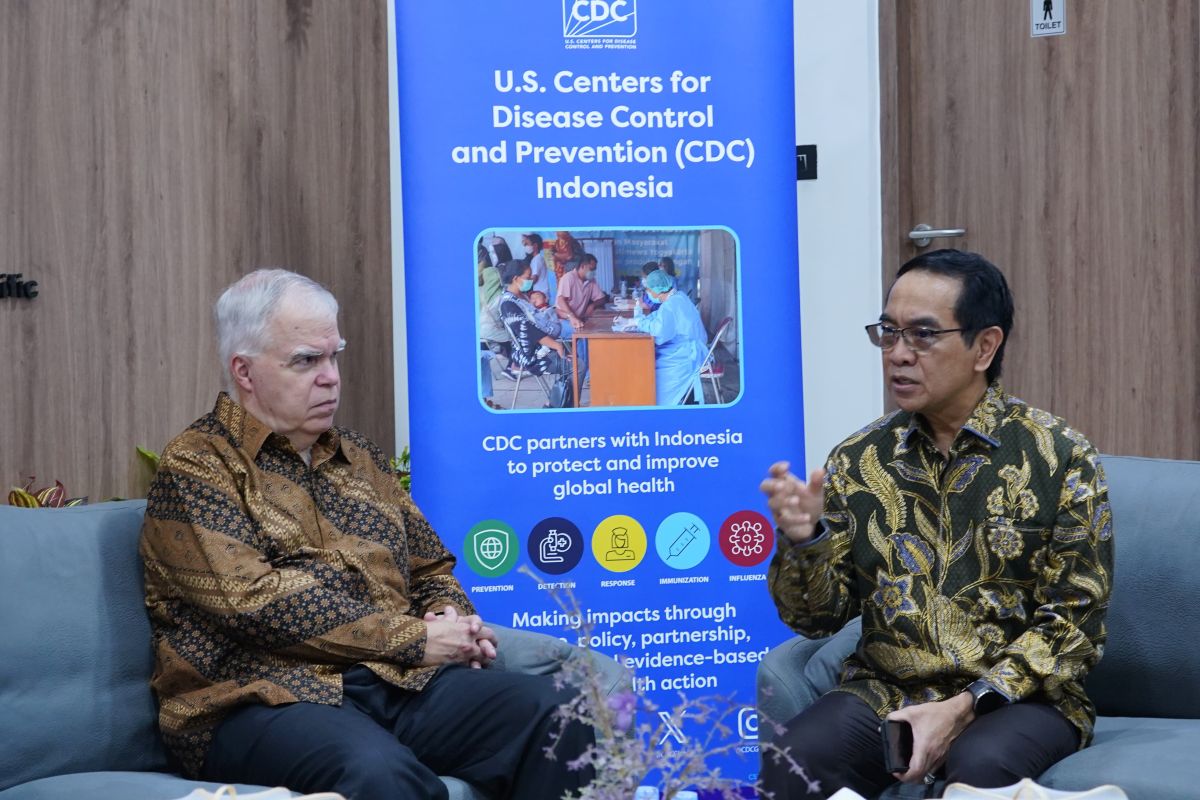
Makassar - Universitas Hasanuddin (Unhas) Makassar and the US Embassy in Indonesia are collaborating on research, particularly in the field of global health and human resource capacity development. Unhas Rector Prof Jamaluddin Jompa (JJ) stated in Makassar, South Sulawesi, on Sunday, that the main focus of the cooperation includes improving preparedness against disease threats and strengthening community health systems that are adaptive to global dynamics. In this context, he said, universities play an important role as producers of knowledge, innovation, and competent human resources. According to him, Unhas places planetary health as one of the main pillars in future collaboration development. This approach emphasises the interconnectedness between human health, the environment, and sustainable development, which requires cross-disciplinary and sectoral synergy. Prof JJ explained that Unhas is taking the role as a connector to encourage the integration of policy, research, and programme implementation, particularly in strengthening the contribution of eastern Indonesia in the global health agenda. “Through various strategic programmes developed, Unhas is committed to continuing to optimise its contributions,” said Prof JJ. Meanwhile, the Chargé d’Affaires ad interim of the US Embassy in Indonesia, Peter M. Haymond, explained that this cooperation is seen to have a clear direction with several priority programmes that can be immediately implemented. Support is directed towards strengthening outcome-oriented, sustainable, and long-term impact collaborations. “Unhas has the capacity to become a driver that can involve other universities. We see great opportunities for Unhas to lead collaborations and become a reference in academic research development in this region,” he said. One of the main pillars of the collaboration is the sustainability of cooperation with the US Centers for Disease Control and Prevention (US CDC), particularly through the Field Epidemiology Training Program (FETP). This programme, according to him, has played an important role in producing competent epidemiologists and strengthening community health response capacity in Indonesia.