
Unhas and Nine Universities from Five Countries Join Forces to Improve Education
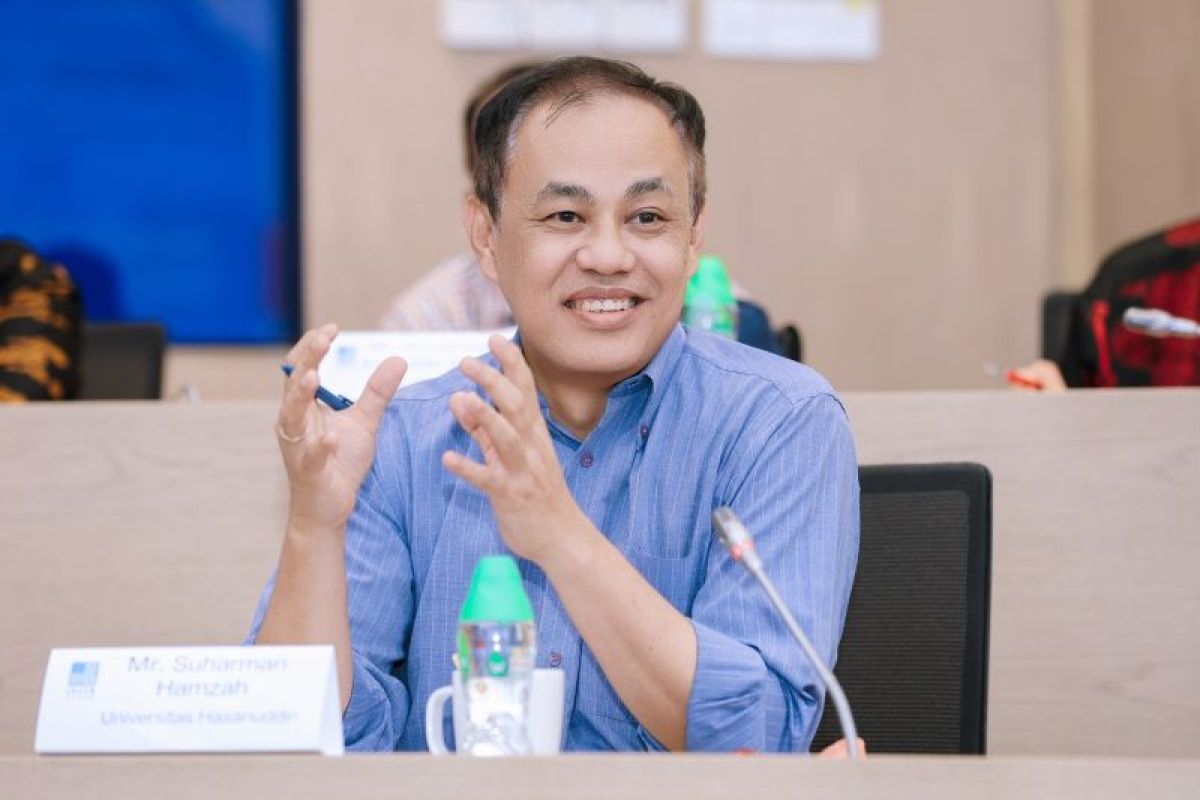
MAKASSAR (ANTARA) — Hasanuddin University (Unhas) has signed nine memoranda of understanding (MoUs) with nine universities from five countries — Türkiye, the Philippines, Taiwan, Malaysia and Australia — to improve the quality of education.
Unhas Vice-Rector for Partnerships, Internationalisation and Alumni Relations, Professor Suharman Hamzah, said in Makassar on Wednesday that collaboration with the universities would create opportunities to develop joint education programmes, pursue further study, and work together on research and academic publications.
He said expanding the university’s network of partner institutions needed to be accompanied by concrete steps to match Unhas’s academic needs with the capabilities of its partners.
“We hope this cooperation will open more pathways for students to continue their studies, including through double-degree programmes. We also want lecturers to have more partners with whom to develop research and produce joint publications. The challenge now is to turn these agreements into programmes that faculties, study programmes, students and lecturers can genuinely benefit from,” he said.
The nine universities that entered into agreements with Unhas during this period are Suleyman Demirel University (SDU) in Türkiye; Nueva Vizcaya State University (NVSU), the University of San Carlos (USC), the University of Nueva Caceres (UNC) and De La Salle University Dasmariñas in the Philippines; National Formosa University (NFU) and Ming-Chuan University (MCU) in Taiwan; SEGi University in Malaysia; and the University of Queensland (UQ) in Australia.
Professor Suharman said the cooperation could be developed through student exchanges, further study, double-degree programmes and joint academic activities.
For lecturers and researchers, the network could also provide a basis for designing cross-institutional research, sharing expertise and increasing joint academic publishing.
He said making these opportunities a reality would require follow-up at faculty and study-programme level, including identifying suitable fields, designing activity frameworks and discussing technical arrangements with partner universities.