
UNG Researcher Stresses Dietary Management to Control Diabetes
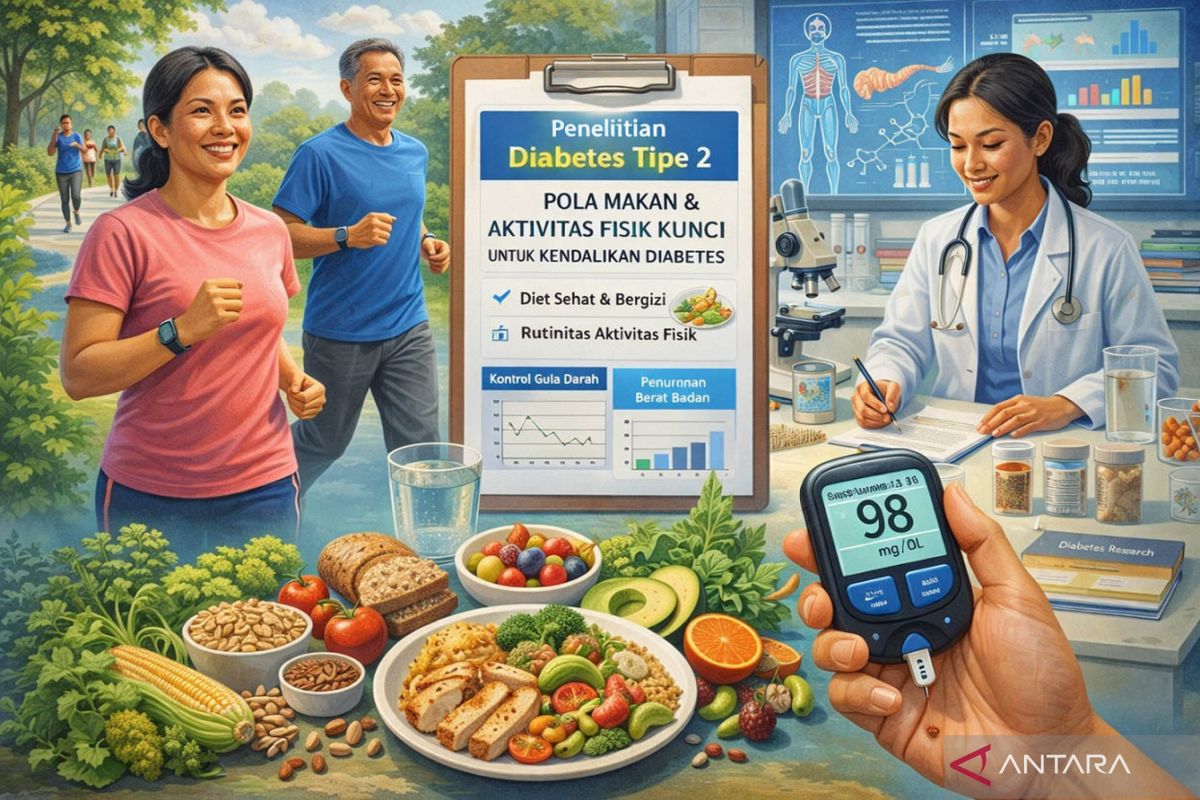
A researcher from Gorontalo State University (UNG), Nadia Oktaviana Rahman, has emphasised the importance of regulating diet, supported by physical activity, to control diabetes. “Type 2 Diabetes Mellitus remains a major public health challenge in Indonesia,” Nadia stated in Gorontalo City on Thursday. According to her, diabetes not only burdens sufferers physically but is also a major contributor to the high cost of national healthcare. In response, the UNG research team conducted an in-depth study to find the key to controlling blood sugar levels. The results, published in Medic Nutricia: Jurnal Ilmu Kesehatan in 2025, reveal the crucial fact that diet and physical activity are two inseparable pillars in taming diabetes. The research uncovered quite surprising data, with 71.2 percent of diabetic respondents recorded as having uncontrolled blood sugar levels. This figure serves as an alarm for primary healthcare services, especially in rural areas, that diabetes management has not yet achieved optimal results. Additionally, a physical activity paradox was observed, where nearly half of the respondents performed heavy physical labour due to the demands of working as farmers. “Heavy physical activity does not automatically guarantee controlled blood sugar levels if it is not balanced with a healthy diet and medication adherence,” Nadia said. Statistical analysis showed a significant relationship between diet and blood sugar levels (p = 0.032), as well as between physical activity and blood sugar levels (p = 0.028). This means that diabetic patients with more regular eating patterns and well-managed physical activity tend to have more stable blood sugar control. “Consumption of foods high in sugar and fat, irregular meal schedules, and a lack of nutritional understanding are the main factors making diabetes difficult to control. On the other hand, excessive physical activity without adequate rest also has the potential to worsen metabolic conditions,” she said. These findings align with the third Sustainable Development Goal (SDG), which aims to ensure healthy lives and promote well-being for all ages. Type 2 diabetes mellitus is a primary focus in the non-communicable disease control agenda promoted by the government through the Germas programme and the strengthening of primary services. The research underscores the importance of promotive and preventive approaches, particularly through education on healthy eating, measured physical activity, and routine screening at community health centres (Puskesmas). “By strengthening the role of primary healthcare services and improving public health literacy, diabetes control is expected to reduce the risk of serious complications such as heart disease, kidney failure, and stroke,” she said. The research recommends that Puskesmas and government programmes should not focus solely on providing medication. The key to long-term success lies in continuous education through health counselling that uses simple language to be easily understood by people from various educational backgrounds. Nutritional literacy involves improving family understanding of meal schedules and types of nutrients that are safe for diabetics. Nadia advocates a community approach, encouraging changes in healthy living behaviour starting at the family level. Through these steps, efforts to control type 2 diabetes mellitus not only support national health targets but also contribute directly to achieving the SDGs and improving the quality of life of the Indonesian people.