
Unfazed by Trump's 'Cunning' Diplomacy, Here's China's Stance on the Strait of Hormuz and Iran's Nuclear Programme
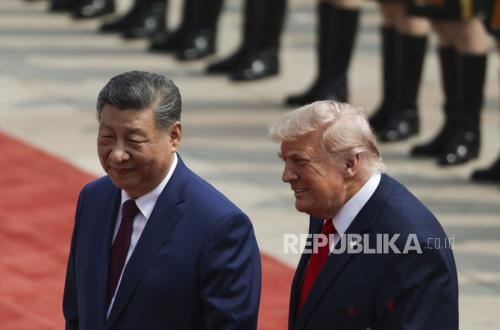
REPUBLIKA.CO.ID, BEIJING — The government of the People’s Republic of China on Friday (15/5/2026) officially reaffirmed its long-standing position on Iran. This move comes in response to speculation and conflicting reports regarding Beijing’s stance amidst recent regional tensions.
The Chinese Foreign Ministry issued a comprehensive statement outlining its official position in detail. Several Asian diplomatic sources revealed to Al Mayadeen that Washington is expected to continue promoting claims that it has successfully persuaded Beijing to pressure Iran. This has been particularly evident following recent US-China discussions regarding the status of the Strait of Hormuz and Iran’s nuclear file.
The sources mentioned that the increasing American rhetoric regarding the “Iranian nuclear issue” or claims of an agreement with Beijing to keep the Strait of Hormuz open “at no cost” are merely “attempts to flood the media to cover up the essence of the real issue.”
The diplomats emphasized that China’s position on Iran is “very clear and unchanged.” They also denied reports suggesting a shift in Beijing’s stance. They noted that China deliberately refrained from discussing the Iranian issue openly in initial talks, before eventually issuing an official statement through the Foreign Ministry.
Beijing reaffirmed its opposition to nuclear weapons ownership, while at the same time supporting Iran’s right to use uranium and nuclear technology for peaceful, civilian purposes. China also maintains its long-standing position in supporting the opening of the Strait of Hormuz and preventing militarization in the waterway, while respecting Iran’s rights as a coastal state bordering the strategic waters.
Regarding energy issues, the source added, China’s purchase of oil or gas from the United States is not new, as Beijing is diversifying its energy sources. However, it was emphasized that nothing can replace Iranian oil or energy imports through Hormuz, which accounts for 45 percent of China’s total energy needs.