
UNESCO recognises Bima Sultanate chronicle of Mount Tambora eruption
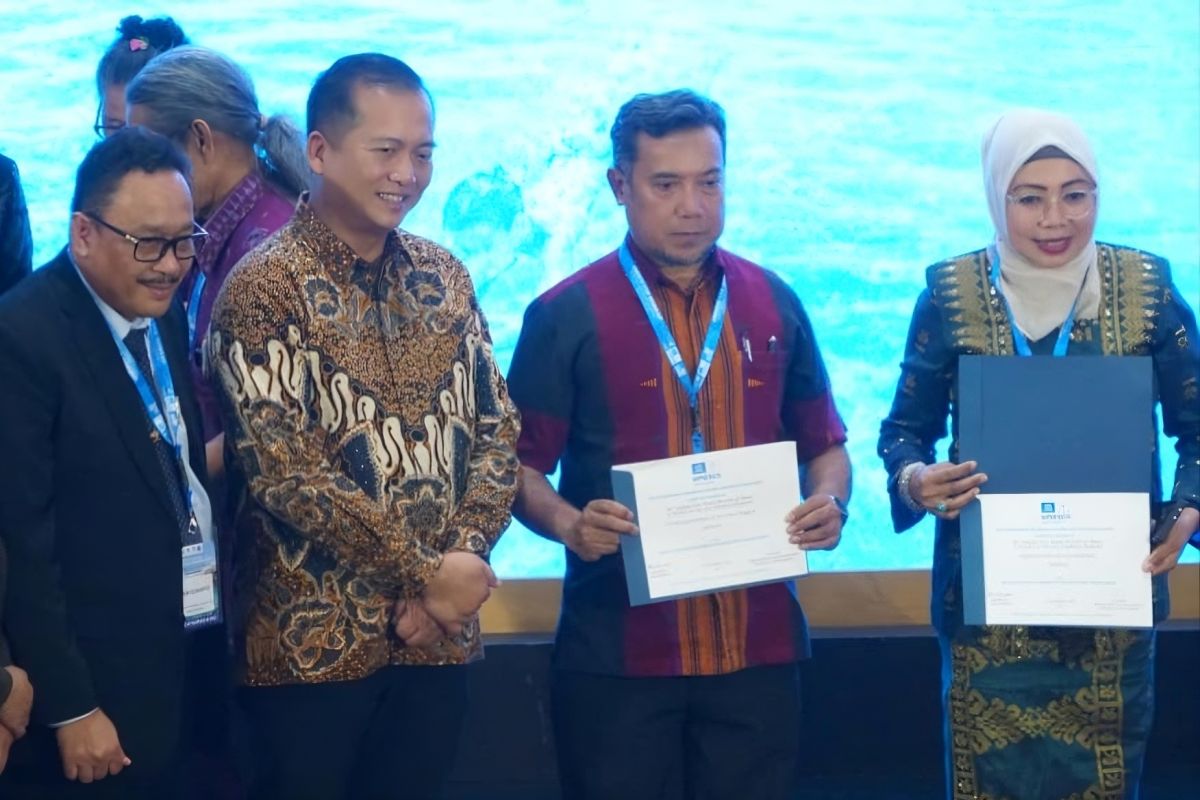
Mataram (ANTARA) - The Bo’ Sangaji Kai manuscript belonging to the Bima Sultanate on Sumbawa Island, West Nusa Tenggara (NTB), which records a historical account of the Mount Tambora eruption, has received UNESCO recognition after being included in the Memory of the World Committee for Asia and the Pacific (MoWCAP) Regional Register.
NTB Culture Agency head Muhamad Ihwan said the Bo’ Sangaji Kai chronicle was an important record of the Bima Sultanate, documenting historical events from the 17th to the 19th centuries.
“The manuscript contains knowledge about governance, relations between kingdoms, trade diplomacy and people’s social life. One of its important features is its account of the 1815 Mount Tambora eruption,” he said in a statement in Mataram on Friday.
Ihwan explained that Bo’ Sangaji Kai offers a picture of how local people viewed the Mount Tambora eruption, which caused global-scale climate change.
He said the manuscript also illustrates Bima’s relations with kingdoms and trade networks across South-east Asia, and contains records of female rulers and legal protections for women.
Its records of three centuries of history and culture make Bo’ Sangaji Kai a valuable primary source for the study of social, political and legal history, as well as culture.
Ihwan added that UNESCO’s MoWCAP recognition would draw greater attention to the historical and cultural significance of the Bima Sultanate, while strengthening the case for safeguarding the manuscript and ensuring its knowledge can be preserved for future generations.
He stressed that the joint nomination of Bo’ Sangaji Kai showed that bringing regional heritage to international forums required cooperation between institutions.
The National Library of Indonesia, the Sampa Radja Museum Foundation and the NTB Provincial Government were among the partners in the nomination, linking the region’s collections with UNESCO’s international assessment process.
The NTB Culture Agency hopes the international recognition will foster greater public pride and encourage young people to learn about and care for the region’s historical heritage.
NTB Governor Lalu Muhamad Iqbal said MoWCAP recognition would give West Nusa Tenggara opportunities to expand its networks with libraries, museums, research centres and universities across the Asia-Pacific and beyond.
The recognition could also strengthen educational tourism by linking the Sampa Radja Museum, the history of the Bima Sultanate and knowledge about Mount Tambora.
Iqbal noted that documentary heritage contains a wealth of knowledge, and relevant material could be adapted into learning resources suited to different subjects and educational needs.
“From Bima, the knowledge heritage of Bo’ Sangaji Kai reaches a wider public and carries the message that NTB has historical roots and an intellectual tradition of value to Indonesia and the world,” said the former Indonesian Ambassador to Turkey.
Source: jawawa.id (https://jawawa.id/newsitem/unesco-recognises-bima-sultanate-chronicle-of-mount-tambora-eruption-1793940702)
Originally published by Antara (Indonesian) (https://www.antaranews.com/berita/5835915/unesco-akui-naskah-kronik-letusan-gunung-tambora-milik-kesultanan-bima), translated from Indonesian