
Unesa Researcher Develops Anticancer Drug Candidate from Tropical Flora
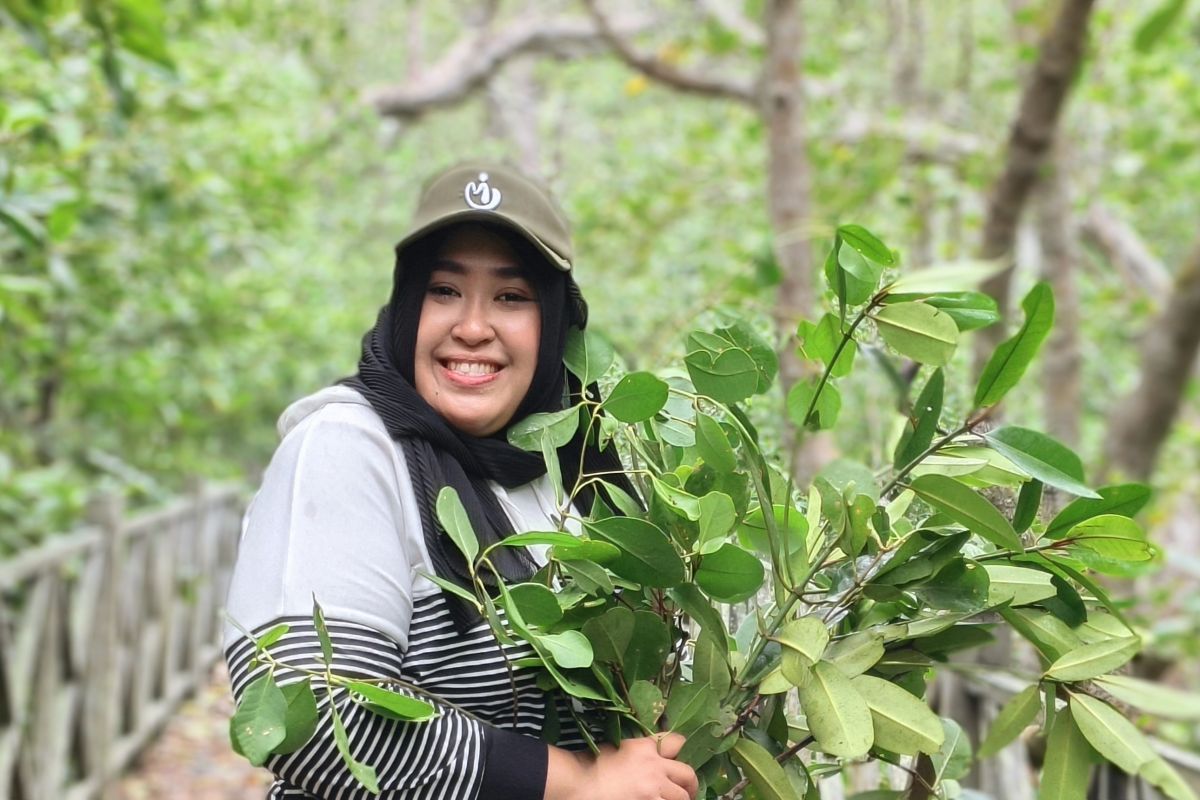
This research aims not only to discover new compounds but also to open up opportunities for herbal drug candidates based on Indonesian tropical plants.
Surabaya (ANTARA) - Dr Ratih Dewi Saputri, a researcher at Universitas Negeri Surabaya (Unesa), is developing anticancer drug candidates based on bioactive compounds from Indonesian tropical plants through phytochemical research that harnesses the rich biodiversity of the archipelago.
“This research does not only aim to discover new compounds, but also opens up opportunities for the emergence of herbal drug candidates based on Indonesian tropical plants that are safer, more selective, and have the potential to become alternative cancer therapies in the future,” said Dr Ratih Dewi Saputri in Surabaya on Tuesday.
The research, which began in 2018, started with the exploration of various endemic plants from Sumatra, Bangka Belitung, Java, Kalimantan, and eastern Indonesia, regions known for their high biodiversity but still lacking scientific study.
Through a modern phytochemical approach, the research team successfully isolated various bioactive compounds, including flavonoids and xanthones from the Garcinia and Flemingia genera, which showed antioxidant and anticancer activity.
“The next focus of the research is directed at developing therapeutic candidates for cervical cancer using HeLa cells and breast cancer using 4T1 cells, which are two types of cancer with high incidence rates among women,” she said.
Various Garcinia species studied, such as Garcinia celebica, Garcinia rigida, Garcinia parvifolia, Garcinia nigrolineata, Garcinia hombroniana, and Garcinia xanthochymus, produced xanthone compounds with cytotoxic and antioxidant activity considered promising.
To strengthen the drug candidate discovery process, the team also applied an in silico molecular docking approach to evaluate the interaction of natural compounds with molecular targets for breast cancer and cervical cancer.
“Going forward, the research will be developed through a Network Pharmacology approach to accelerate the development of drug candidates based on Indonesian biodiversity,” she said.
The research also forms part of the implementation of the Three Pillars of Higher Education (Tridarma Perguruan Tinggi), supports the Merdeka Belajar-Kampus Merdeka (MBKM) programme, and contributes to achieving the Sustainable Development Goals (SDGs).