
UNEJ Professor: Indonesia Has Strong Foundations to Become Leader of the Global South
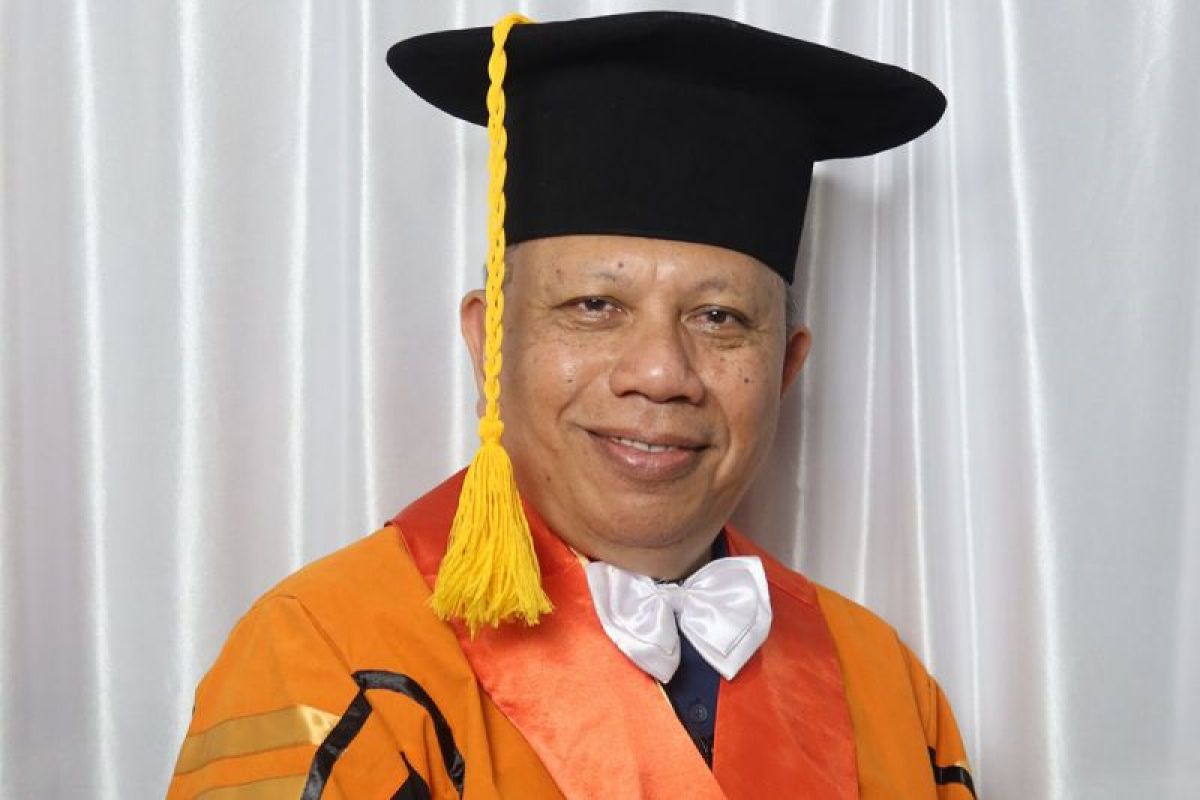
Jakarta (ANTARA) - Professor of International Relations at Universitas Jember (UNEJ) Agus Trihartono assesses that Indonesia has nearly all the requirements to act as a bridge and some requirements to become a leader in championing Global South interests.
“Indonesia truly has nearly all the requirements to become a bridge and some requirements to become a leader in championing Global South interests,” said Agus when contacted by ANTARA in Jakarta on Tuesday.
He opines that as a major democracy, a primary economic power in Southeast Asia, a member of ASEAN and G20, and an important partner in various South-South forums, Indonesia holds a strategic position not shared by many other countries.
“We can engage with many parties: Washington, Beijing, Riyadh, New Delhi, Pretoria, and others without being fully bound to any particular bloc. Historically, this is the strength of Indonesian diplomacy since the Bandung Asia-Africa Conference (KAA): bridging, not dividing; bringing together, not merely following,” he said.
According to him, Indonesia has been quite successful as a bridge on the international stage. The free and active foreign policy is assessed to have provided flexible room for manoeuvre while increasing respect from various parties.
However, to become a global leader, further strengthening is required, not only from the strategic position but also through a clear vision, policy consistency, and the courage to propose new agendas.
“If Indonesia wants to become a leader, then it is not just about being a country skilled at adapting to the mainstream current, but one capable of steering the direction when the current changes,” he said.
He assesses that if Indonesia wants to further strengthen its leadership role in the Global South, there are three main agendas that can be pursued.
First, promoting reform of more equitable international debt governance.
Second, advocating for green industrialisation so that developing countries are not only markets but also main actors in the global value chain.
“Third, becoming a moral voice for more equal and inclusive multilateralism,” said Agus.