
Undiksha Academic: Civil Service Bond as Solution to Teacher Quality
The issue of teacher quality does not only arise during training or professional development after someone becomes a teacher.
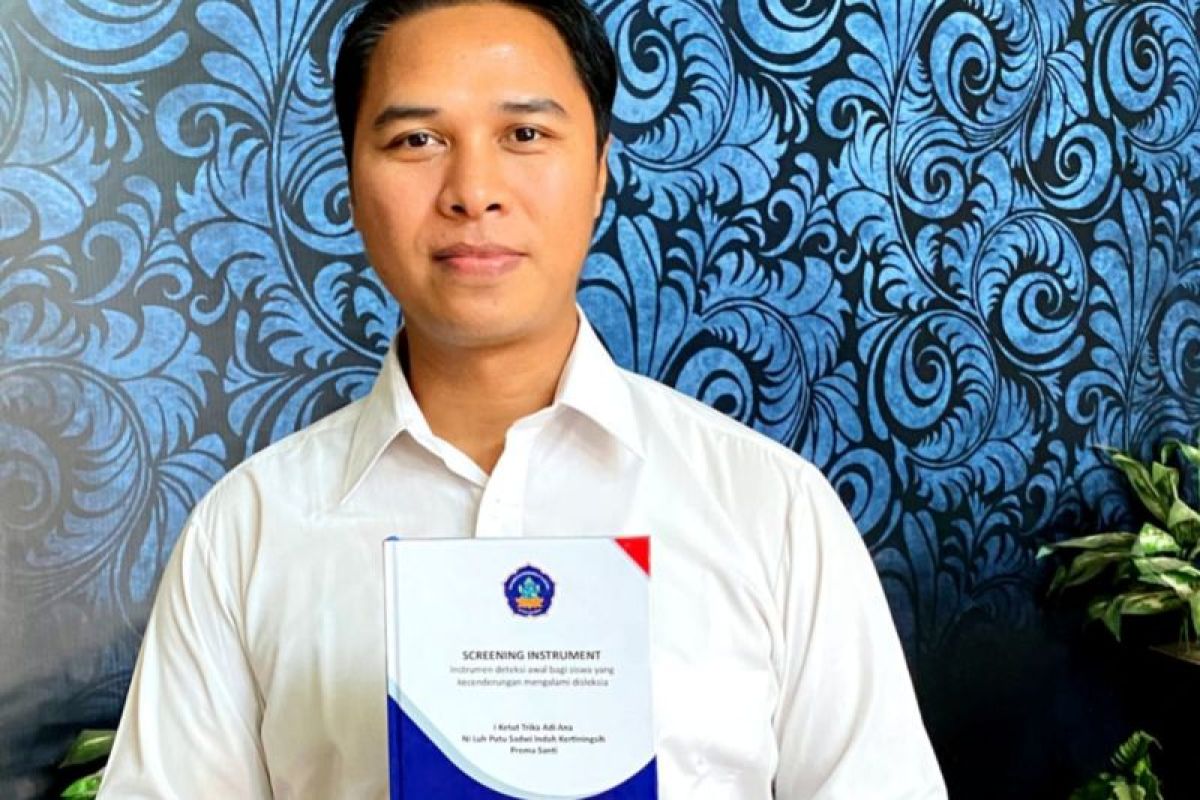
Buleleng, Bali (ANTARA) - Academic from Universitas Pendidikan Ganesha (Undiksha) in Singaraja, Bali, I Ketut Trika Adi Ana M.Pd, stated that a civil service bond and strict selection for prospective teachers could serve as a solution to various problems concerning educator quality in Indonesia.
“It is time for Indonesia to rethink the recruitment and education system for prospective teachers in a more serious and strategic manner, where one idea worth considering is to make education study programmes operate under a civil service bond system, similar to the model applied in civil service academies,” said Trika in Singaraja, Buleleng Regency, Bali, on Thursday.
According to him, this concept is one solution to the various criticisms regarding teacher quality in Indonesia, which has long been a public concern.
In fact, he said, President of the Republic of Indonesia, Prabowo Subianto, has highlighted on several occasions that teacher competence in Indonesia still needs to be continuously improved to face increasingly complex challenges of the times.
The root of the problem often begins at the recruitment stage for prospective teachers. If the initial process in selecting prospective teachers is not selective and unable to attract the best talents, it will be difficult to produce quality teachers in the long term.
“So far, education study programmes at various universities are still often seen as a second or even third choice for some high school or vocational high school graduates. Many students with high academic achievements are more interested in choosing non-education programmes such as medicine, law, international relations, engineering, or management, for example,” he said.
He continued that through the civil service system, prospective students for education programmes would not be recruited haphazardly. They would be selected through a strict process starting from high school or vocational high school graduates. The selection would not only assess academic ability but also character, commitment to the education field, communication skills, and leadership potential.
“In Singapore, the teaching profession is viewed as a highly prestigious profession. The government actively recruits prospective teachers from the best students while they are still in secondary school. The selection process is conducted strictly and comprehensively, covering academic ability, personality, motivation to become a teacher, and communication skills,” he explained.
Trika explained that this model creates two positive impacts at once. First, the teaching profession becomes more attractive to high-achieving students because it offers a clear and guaranteed career path. Second, the government can ensure that the recruited teachers truly possess high quality.
“Indonesia could actually adapt a similar approach by adjusting it to the national context. The government through the Ministry of Basic and Secondary Education could design a prospective teacher recruitment programme based on regions. Each region could identify the best students in secondary schools who have an interest and potential to become teachers,” Trika concluded.