
Understanding Viktor Orban Whose Position is Threatened in the Hungarian Presidential Election
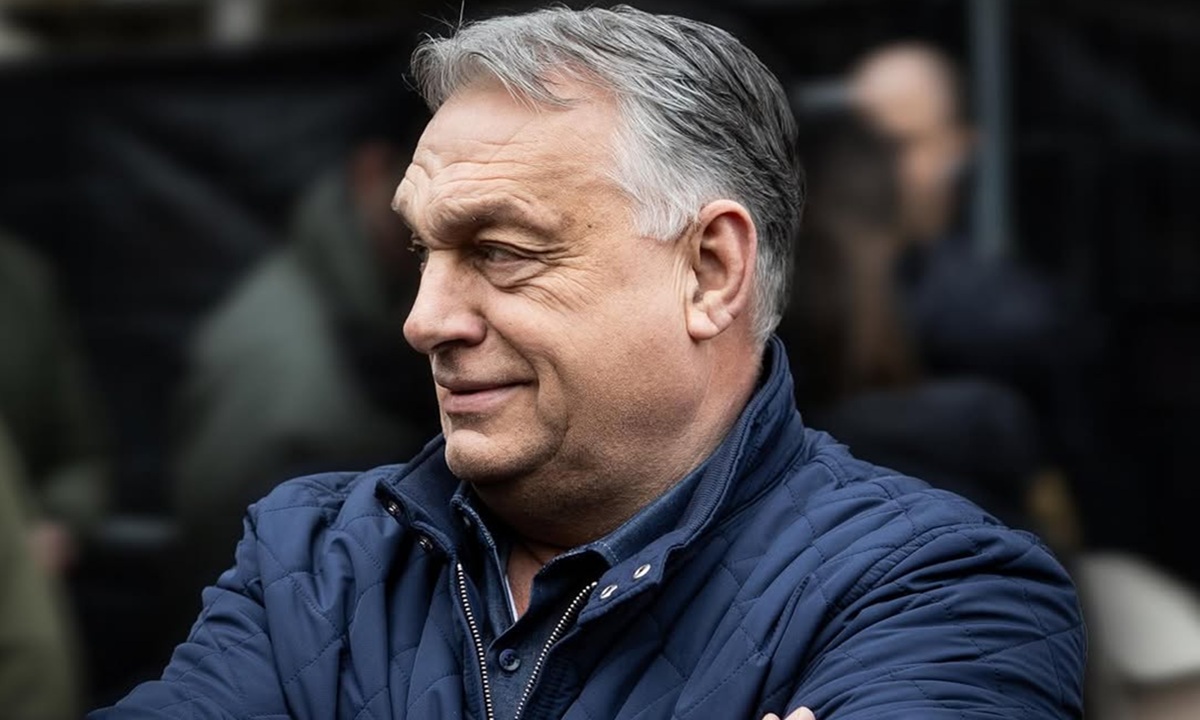
No active leader in the European Union has held power as long as Viktor Orban. However, after 16 years dominating the Hungarian political stage, Orban now faces his most serious challenge in the election on 12 April. Various polls indicate that the incumbent’s position is threatened by the emergence of Péter Magyar, a former party insider who has now turned into his strongest rival.
Since returning to power in 2010, Orban has drastically changed the face of Hungary. The European Parliament has even labelled his regime as an “electoral hybrid autocracy”. Orban himself uses the term “illiberal democracy” or “Christian freedom” to describe his model of government, while his allies in the American MAGA movement call it “national conservatism”.
Although he often clashes with his counterparts in the European Union, particularly regarding the blocking of aid funds for Ukraine, Orban has a strong network of international allies. He is considered Vladimir Putin’s strongest partner in the European Union and receives direct support from US President Donald Trump for a fifth consecutive term.
However, at the regional level, Orban is increasingly isolated. The Polish Prime Minister, Donald Tusk, even once mocked that “Orban and his foreign minister have long left Europe” due to their closeness to Moscow.
The political journey of this 62-year-old man is in stark contrast to the start of his career. In the late 1980s, as a law student, Orban emerged as a bold young figure demanding free democracy and the withdrawal of Soviet troops. Ironically, his scholarship to study at Oxford was once funded by George Soros, the billionaire he now considers his number one political enemy.
Political observers assess that Orban’s ideological shift from liberal to anti-liberal nationalist in the late 90s was a political opportunism move to fill the vacuum on the right wing. Since winning a “super-majority” in 2010, he has launched more than 40 “key laws” that overhaul state institutions, the electoral system, and the media landscape to remain under the control of his circle.
Although his personal charisma is undeniable, the Hungarian public is beginning to show fatigue. Corruption allegations implicating his inner circle and the freezing of billions of euros in funds by the European Union due to rule-of-law issues are starting to erode support. A rare moment occurred when Orban was booed by the crowd during a recent campaign speech in Gyor.
In this election campaign, Orban is again using the narrative of “national protection” by accusing his opponent of wanting to drag Hungary into the Ukraine conflict. However, with the emergence of Péter Magyar who understands the ins and outs of the Fidesz political machine, Orban’s claim as a protector of stability now faces a historic test. Will 12 April be the end of the “Orbanism” era? The Hungarian people will decide.