
Understanding TNI Alert Status 1: Procedures, Regulations, and Impact on Civilians
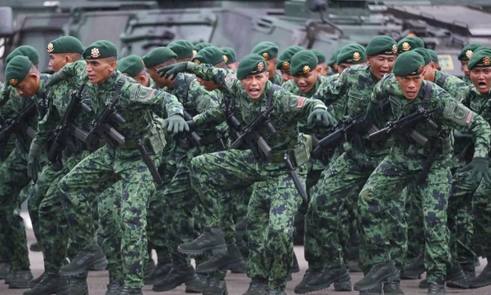
The term “Alert Status 1” frequently appears in news coverage during periods of escalating security situations or heightened political dynamics. For the general public, this terminology often triggers concerns about impending danger or armed conflict. However, within the doctrine of the Indonesian Armed Forces (TNI), Alert Status 1 constitutes part of a measured standard operating procedure (SOP).
What precisely occurs when the TNI Commander orders Alert Status 1? How does it influence the daily activities of civilian citizens?
Within the Indonesian military environment, alert readiness levels are divided into three primary stages. When the Alert Status 1 order is issued via Secret Telegram (TR) from the TNI Commander, all service branches (Army, Navy, Air Force) activate the following protocols:
All military personnel, including those on leave, may be recalled to their units. Combat strength reaches maximum operational capacity for immediate deployment when required.
The TNI will increase security at strategic locations including international airports, seaports, oil refineries, power generation facilities, and telecommunications headquarters. This is undertaken to prevent sabotage that could paralyse the nation’s economy.
Intelligence units (TNI Intelligence Agency) and territorial commands (from regional military commands down to district level) will intensify surveillance against potential security threats, whether originating domestically or internationally.
In legal and operational terms, TNI Alert Status 1 constitutes an internal military directive. The following outlines its impact on civilian society:
Alert Status 1 differs fundamentally from “Civil Emergency” or “Military Emergency” as regulated under Law No. 23/PRP/1959. Under Alert Status 1, there is no implementation of curfews, large-scale road closures, or restrictions on freedom of expression for civilians. Citizens remain able to work and conduct their activities normally.
Citizens may observe increased numbers of uniformed personnel or tactical vehicles at public facilities such as railway stations or airports. This presence aims to provide a sense of security (deterrent effect) and ensure the smooth operation of public services, rather than to intimidate the population.
Alert Status 1 represents the TNI’s professionalism in safeguarding national sovereignty. For civilians, the establishment of this status should serve as a signal that the state is operating at maximum vigilance, enabling society to conduct its activities with confidence without feeling threatened.