
Understanding Three Pathways to Online Gambling Addiction According to Psychiatry Experts
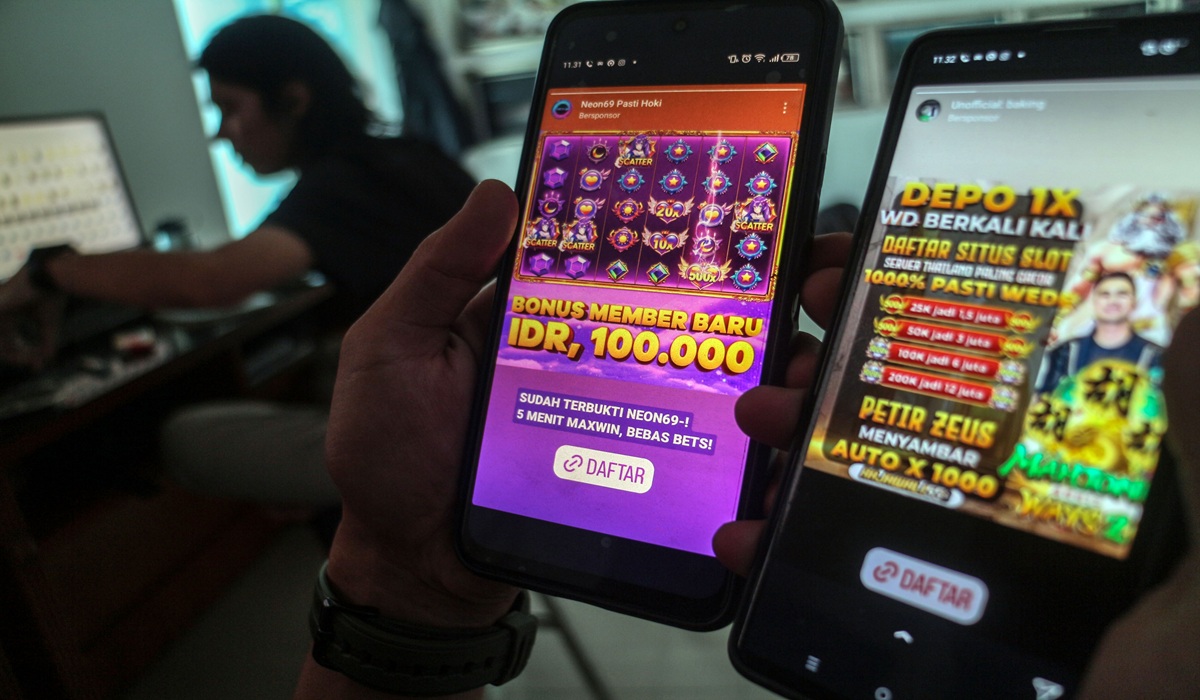
Online gambling is no longer merely a social phenomenon, but a serious mental health problem classified as behavioural addiction. Dr. Kristiana Siste Kurniasanti, SpKJ(K), a psychiatry addiction subspecialist, has identified three patterns or pathways that lead individuals into gambling addiction.
Kristiana explained that motivations for starting gambling vary widely, ranging from mere curiosity, peer pressure, to personal character traits.
Pathway One: Accessibility Without Genetic Addiction Predisposition
The first pattern involves individuals who try online gambling out of curiosity, possess money, and have access. However, this group typically does not develop into addicts. Those without a genetic predisposition to gambling addiction will not become addicted even if they gamble casually, have access, and money, as they lack impulsive characteristics. According to the Head of the RSCM Psychiatry Department, this group possesses good self-control and will stop voluntarily when they feel they have had enough or experience losses.
Pathway Two: Mental and Emotional Health Problems
The second pattern targets individuals with mental health vulnerabilities. Those experiencing depression, anxiety, or low resilience often use gambling as an escape from life’s problems. This unstable psychological condition places them at very high risk of falling into an addiction cycle.
Pathway Three: Impulsive Character and High-Risk Behaviour
The third pathway is the most concerning. This involves individuals with impulsive characters naturally attracted to high-risk or norm-violating behaviour. This group enjoys the instant gratification offered by gambling. Those from the first pathway typically do not seek treatment as they recover or stop on their own, saying “I have lost enough money, it’s time to stop.” Those requiring healthcare typically come from the second and third pathways.
Kristiana emphasised that since 2022, the World Health Organisation (WHO) has categorised gambling as a form of non-substance addiction. This confirms that gambling’s impact on the brain is similar to drug dependence. The problem becomes more complex when individuals initially trying gambling casually discover they possess a character preference for instant gratification. When someone engages in online gambling that started casually but develops into addiction due to an impulsive character preference for instant results, problems ensue.
Medical treatment for patients in the third pathway is considered most difficult as it is closely related to personality structure and weak impulse control. Early detection of an individual’s gambling motivation is therefore key to determining the appropriate treatment approach. A primary symptom of addiction is loss of control over gambling behaviour, where sufferers can no longer limit the time and money they spend. Individuals trapped in gambling addiction require medical therapy due to brain structure damage similar to drug abuse. The Jakarta Provincial Government has expressed full support for the central government’s online gambling eradication efforts.