
Understanding the Rp1 Share Rule at the IDX: Definition and Trading Mechanism
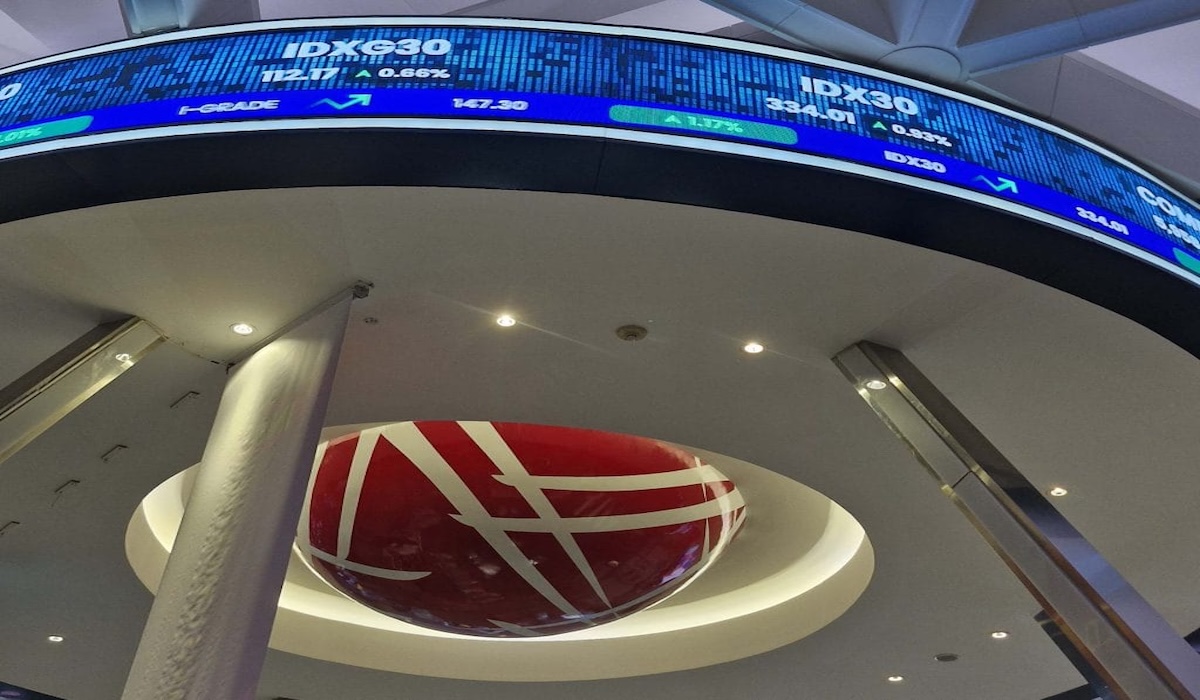
The Indonesia Stock Exchange (IDX) plans to implement a new policy that allows share prices in the Regular Market and Cash Market to reach a minimum level of Rp1 per share, effective from 28 September 2026. This policy aims to remove the Rp50 minimum price limit that has previously applied to the main trading boards.
Simply put, a Rp1 share represents the lowest price (floor price) permitted by the exchange’s trading system. Until now, shares on the Main Board, Development Board, and New Economic Board have had a lower limit of Rp50, often referred to as “gocap” shares.
Under this new regulation, shares previously stuck at the Rp50 level due to high selling pressure will now have the room to move lower. However, it is important to understand that not all shares will be valued at Rp1; that figure is merely a technical minimum limit within the trading system.
The decline from Rp50 to Rp1 will not occur instantly in a single trading day. Price movements will continue to follow market mechanisms and the auto-rejection limits set by the exchange. If a share at Rp50 still faces massive sell orders without corresponding buy orders, the price will gradually shift to Rp49, Rp4lag, and so on.
A price of Rp1 is not actually a new concept at the IDX. Previously, prices below Rp50 could occur for shares listed on the Special Monitoring Board using the Periodic Call Auction (PCA) mechanism. The policy effective 28 September 2026 expands the scope of this price range to a broader market mechanism.
As reported by Antara, the President Director of the IDX, Jeffrey Hendrik, stated that this step is being taken to increase market liquidity. The Rp50 limit was deemed to often hinder the price discovery process or the formation of fair prices. By opening the lower limit to Rp1, it is expected that share prices can more accurately reflect fundamental values and the equilibrium between supply and demand.
For investors, this policy demands more in-depth analysis. Shares that break below the Rp50 level provide market signals regarding the issuer’s condition, while simultaneously providing an opportunity for the market to become active again in trading at prices considered more realistic.
In other market news, the Jakarta Composite Index (IHSG) strengthened by 0.55% to the level of 6,496.79 today (16/9), despite market shadows cast by expectations of a Fed interest rate hike and global market weakness. Meanwhile, the Financial Services Authority (OJK) is currently finalising the IDX Demutualisation Regulation (POJK), which is in the harmonisation stage with the Ministry of Law and Human Rights, targeted for publication in September 2026. Additionally, J.P. Morgan Indonesia assesses that the IDX’s plan to adjust the minimum share price to Rp1 will increase liquidity and attract foreign investor interest.
Source: jawawa.id (https://jawawa.id/newsitem/understanding-the-rp1-share-rule-at-the-idx-definition-and-trading-mechanism-1789570605)
Originally published by Media Indonesia (https://mediaindonesia.com/ekonomi/934214/mengenal-aturan-saham-rp1-bei-pengertian-dan-mekanisme-perdagangan), translated from Indonesian