
Understanding the Origin of the Name Depok, It Turns Out to Be a Dutch Acronym
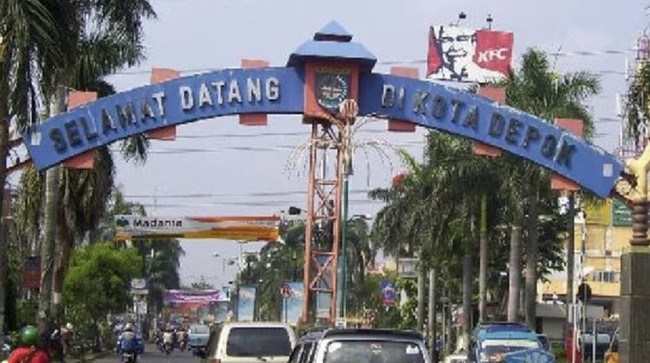
Jakarta, CNBC Indonesia - The name Depok is known as one of the satellite cities of the capital in the Jabodetabek area. However, behind its popularity, few people know that the name Depok has a long history rooted in the Dutch colonial era, even originating from an acronym.
Historically, the Depok area was part of the colonial administration as the Residency of Ommelanden van Batavia, which covered areas around Batavia (now Jakarta). This status was established through a decision by the Governor of Batavia on 11 April 1949. Over time, the area developed from a plantation region into a strategic settlement now integrated with Jakarta’s metropolitan growth.
Interestingly, the name “Depok” is an abbreviation for De Eerste Protestantse Organisatie van Kristenen, which means “The First Protestant Christian Organisation.” This term refers to the community formed by former slaves owned by Cornelis Chastelein, a Dutch landowner who freed them and bequeathed land in the area. This community later developed into the precursor of modern Depok society.
Chastelein was no ordinary person. He was a VOC employee who rose from warehouse supervisor to trusted chief merchant and member of the Batavia City Council. With substantial earnings for the time, around 200-350 guilders per month, he purchased various lands around Batavia, including the area now known as Depok.
In Depok Tempo Doeloe (2011), it is explained that the first land he bought in 1693 was in the Weltevreden area, now called Gambir. That land was used to grow sugarcane. After retiring from the VOC, Chastelein settled in the Serengseng area (now Lenteng Agung) and built a large house.
“When moving to Serengseng, Chastelein not only brought his family but also his slaves,” writes Tri Wahyuning M. Irsyam in Berkembang dalam bayang-bayang Jakarta: Sejarah Depok 1950-1990-an (2017:41).
He brought his family and around 150 slaves from outside Java. Interestingly, he treated his slaves humanely, even freeing them before his death on 28 June 1714.
The former slaves, who then became his subordinates, were tasked by Chastelein with managing the large house in Serengseng. In addition, they were assigned to manage the plantations he had recently bought in the Mampang and Depok areas. All that land produced cash crops such as sugarcane, pepper, nutmeg, and coffee.
Chastelein became even wealthier from those yields. He became one of the richest people in Batavia (now Jakarta) before finally passing away on 28 June 1714. After his death, there was no dispute over where his wealth and land went.
Because, three months before his death, on 13 March 1714, he had already written a will. Its contents stated that he wanted all his wealth not only distributed to his family, but also given freely to his freed former slaves. The aim was for them to be independent and prosperous.
He also wanted the land to serve as a place for spreading the Christian faith in Batavia. This bequest led the former slaves of Chastelein to establish a community named De Eerste Protestantse Organisatie van Kristenen or The First Protestant Christian Organisation. Gradually, the land where the community was located changed its name to Depok, an abbreviation of the community’s name. The members of the community or their descendants were later called ‘Belanda Depok’.
Now, although the historical meaning of the name is rarely known, Depok’s identity remains alive as one of Indonesia’s important cities. Over time, other versions of the meaning of Depok’s name have circulated. One that has become popular recently is the new acronym “Daerah Permukiman Orang Kota,” though it clearly lacks the strong historical basis of the original version.
Today, Depok is not only known as a residential city, but also as a centre of education and new economic growth south of Jakarta, with the presence of major campuses like the University of Indonesia contributing to the area’s development.