
Understanding the Lipstick Effect: Why People Continue to Spend During Economic Hardship
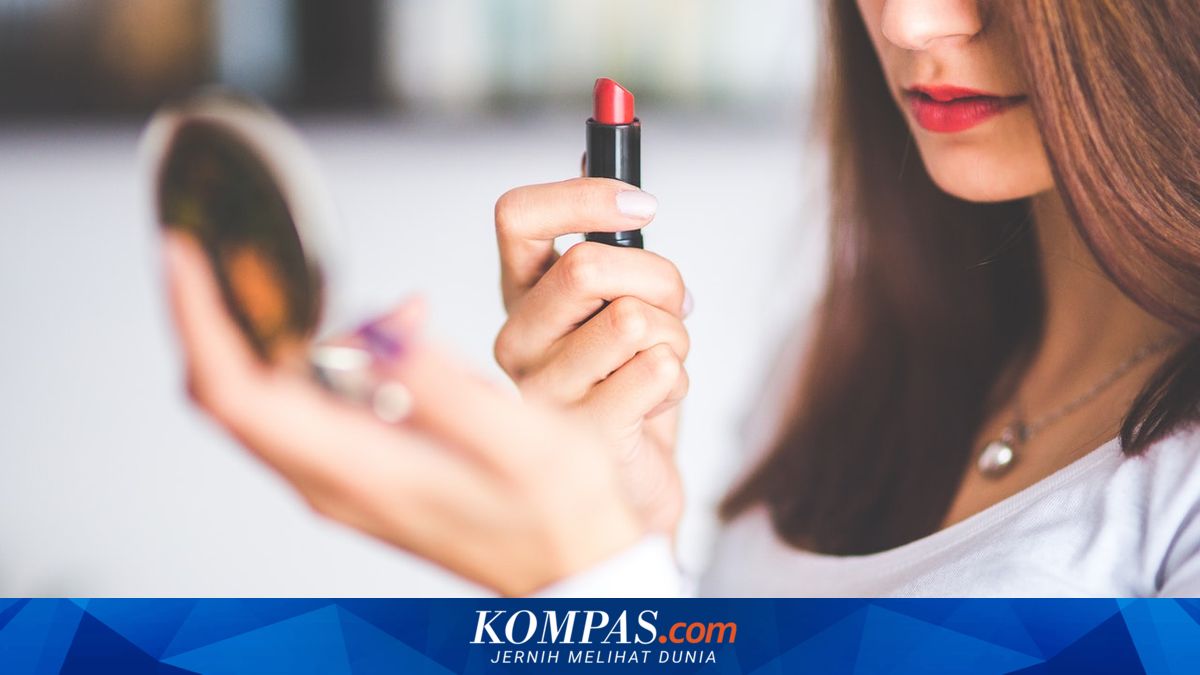
Amidst uncertain economic conditions, many individuals have begun to curtail major expenditures. However, simultaneously, the purchase of items such as lipstick, skincare, perfume, coffee, and fashion accessories remains high. This phenomenon is known as the ‘lipstick effect’—a condition where consumers continue to buy ‘small luxuries’ that provide emotional satisfaction despite efforts to save money.
According to reports from Antara on Thursday (1/9/2025), the lipstick effect emerges when the public seeks simple ways to alleviate stress caused by economic pressure. The items purchased are typically not essential necessities but are considered ‘affordable,’ such as cosmetics, perfume, coffee, or dining out after receiving a salary.
This phenomenon first gained popularity after Leonard Lauder of the cosmetics company Estée Lauder observed an increase in lipstick sales during economic downturns. As reported by Forbes (1/6/2022), the term has since become recognised as an indicator of consumer behaviour during a recession.
However, recent research suggests the underlying reasons are more complex. Economist Yasemin Dildar from California State University, San Bernardino, stated that the increase in beauty product purchases during difficult economic times is actually more closely related to emotional needs. “It is simply a form of small entertainment,” Dildar noted, as cited by Bloomberg (15/11/2025).
According to her research conducted during major recessionary periods, consumers tend to reduce expensive purchases, such as designer bags, clothing, or jewellery, and instead replace them with cheaper products that still provide a sense of satisfaction.