
Understanding the iPhone 18 Pro Reference Image Feature for Verifying Original Photos
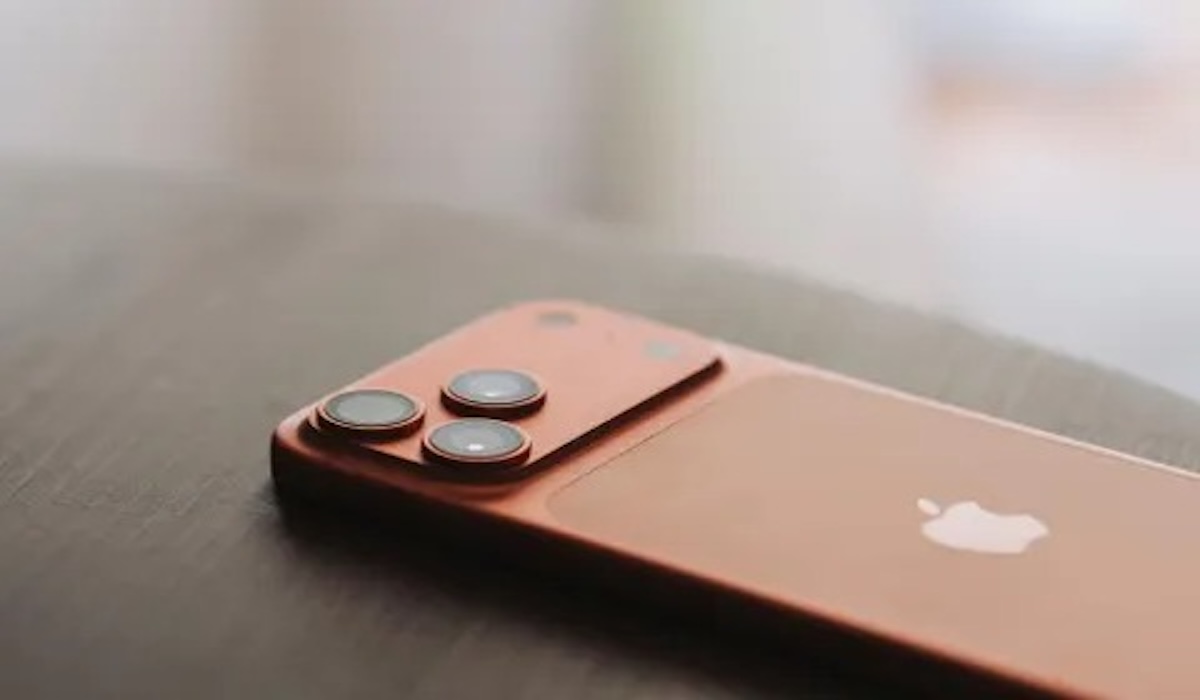
In an era where Artificial Intelligence (AI) can create highly realistic images, the boundary between reality and digital manipulation is becoming increasingly blurred. Responding to this challenge, Apple is reportedly introducing significant innovation to the iPhone 18 Pro and iPhone 18 Pro Max lines, scheduled to launch in September 2026.
A new feature called Reference Image serves as a solution to prove the authenticity of a photo directly from its source. This feature is not merely a filter or standard metadata, but a hardware-level security system designed to provide certainty that an image was truly captured by the camera sensor without any AI manipulation that compromises visual integrity.
Based on gathered information, Reference Image operates through a highly technical and profound method. Unlike conventional methods, this feature involves new camera sensors capable of providing a ‘digital signature’ for every captured pixel.
With the presence of this reference image, users can compare edited photos with their original versions. If significant changes occur due to AI manipulation, the system will easily detect these differences through a sensor data comparison process.
Unlike watermarking technology or C2PA standards that are typically embedded after a photo is processed, Apple embeds this authentication directly into the hardware (sensor). This minimises the risk of metadata removal or digital signature manipulation by third parties.
Apple is not restricting this technology solely to internal applications. The company is opening the Reference Image API to developers on iOS, iPadOS, and macOS. This strategic move allows news platforms, social media, and third-party applications to verify photo authenticity directly using Apple’s system.
However, there is an important note regarding the availability of this feature. At the initial launch of the iPhone 18 Pro, the Reference Image feature is reported to be unavailable in the European Union. Nevertheless, users in that region are promised the ability to view and develop reference images through future software updates, specifically on iOS 20, iPadOS 20, and macOS 20.
This technology provides a breath of fresh air for professional photographers and journalists who require proof of the validity of their work amidst the flood of deepfake content. By placing verification at the hardware level, Apple provides a more robust layer of protection compared to mere metadata, which is easily deleted.