
Understanding the Hidden Threats Behind Forest Fire Smoke
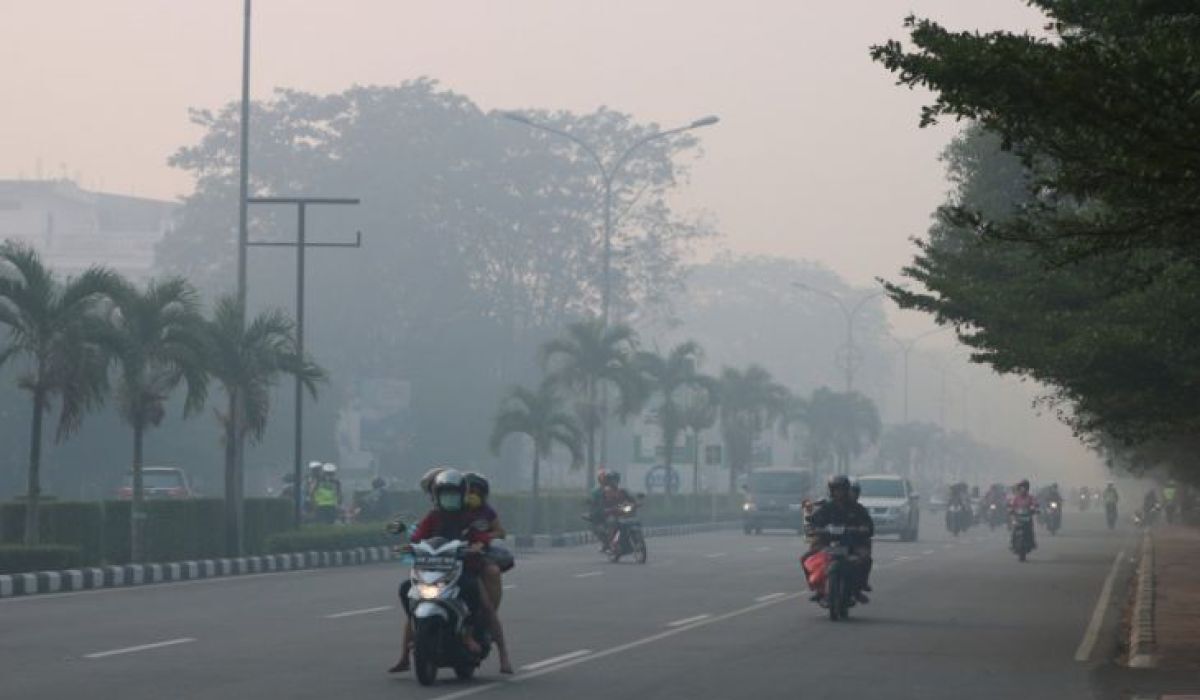
Unlike ordinary waste burning smoke, forest and land fire (karhutla) smoke often travels hundreds of kilometres (transboundary haze) and persists in the atmosphere for extended periods. Its contents, especially fine particulates, have the ability to penetrate the human body’s natural defence systems, making it one of the most deadly pollutants for public health.
To understand why this smoke is so dangerous, we must examine its composition. Generally, forest fire smoke contains several hazardous components. Exposure to forest fire smoke for a short period can immediately trigger bodily reactions. The most common symptoms include respiratory irritation and eye discomfort.
If exposure occurs repeatedly or over a long duration (weeks to months), the risk increases to more serious health problems, such as chronic respiratory issues and increased risks of lung cancer due to micro-particles settling in the alveoli. Furthermore, exposure to forest fire smoke poses serious dangers to fetal safety in pregnant women.
Health expert from ULM, Syamsuit Arifin, warned that the dangers of haze and PM2.5 can trigger heart attacks and even sudden death. The most vulnerable groups to the dangers of smoke are children, the elderly, pregnant women, and individuals with histories of heart or lung disease.
As air quality deteriorates due to forest fires, the following preventive measures are highly recommended to minimise risk: monitoring air quality, using appropriate personal protective equipment, and maintaining health discipline. The danger of forest fire smoke is not a threat that can be taken lightly; its impact goes beyond mere visual impairment or unpleasant odours; it is a serious public health threat.