
Understanding the Differences Between Vapes, Heated Tobacco, and Conventional Cigarettes
Alternative tobacco products are becoming increasingly well-known, particularly among adult smokers considering a transition from conventional smoking habits. However, various misconceptions regarding the characteristics and mechanisms of these products continue to persist in society.
Alternative tobacco products encompass several categories with different mechanisms, ranging from heated tobacco products and electronic cigarettes (vapes) to nicotine pouches. It is essential to distinguish between myths and facts regarding these products.
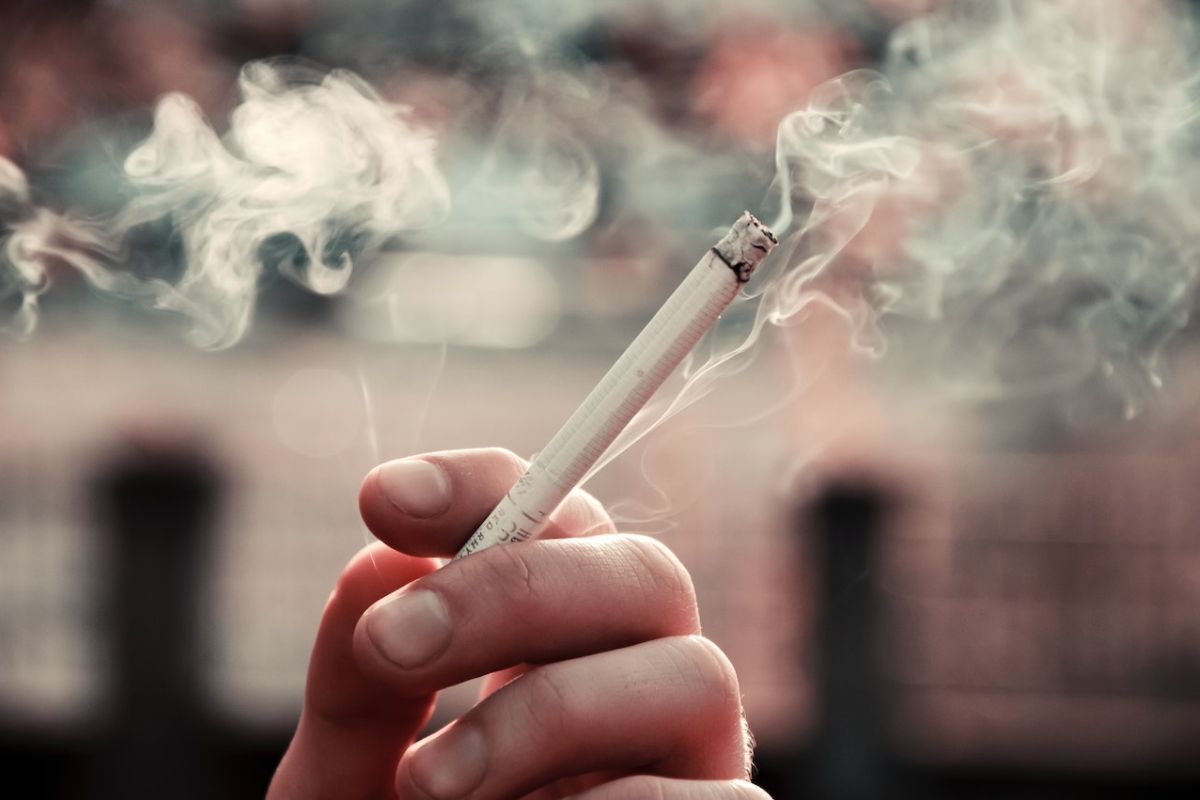
Fact: Each product has a different mechanism and characteristic. Mohammad Khotib, an academic from the Department of Chemistry at IPB University, explains that the characteristics of tobacco products must be understood based on their respective working mechanisms. Conventional cigarettes involve a combustion process of tobacco that produces smoke and various combustion by-products.
In contrast, alternative tobacco products operate differently depending on the type. “The fundamental difference can be seen in the process used. In cigarettes, there is tobacco combustion, whereas certain alternative tobacco products use a heating process or other mechanisms that do not involve combustion,” said Khotib.
Fact: Emissions from alternative tobacco products cannot be equated with cigarette smoke. Khotib stated that the combustion process in cigarettes produces various toxic and carcinogenic compounds due to high temperatures. Conversely, alternative tobacco products using a heating system do not undergo the same chemical process as combustion.
He noted that understanding the difference between combustion emissions and heating-based products is crucial so that the public does not generalise all products simply because they are related to tobacco.
Fact: Electronic cigarettes produce aerosol from heated liquid, not combustion smoke. In electronic cigarettes or vapes, the resulting vapour comes from the heating of liquid, forming an aerosol. Roberto Sussman, a senior researcher from the National Autonomous University of Mexico (UNAM), explained that the particles in vape vapour consist of liquid droplets made of propylene glycol, vegetable glycerin, nicotine, and water.
“The exhaled vape aerosol is highly volatile. The droplets can easily evaporate, and the gas disperses in a very short time, less than one minute,” he said. This difference in mechanism is supported by a 2018 study by Public Health England (PHE), which stated that the heating systems in electronic cigarettes are associated with lower risk exposure compared to conventional cigarettes.
Fact: Adult consumers must pay attention to the origin and legality of products. The Chairman of the Indonesian Vape Consumer Association, Paido Siahaan, emphasised the importance of education regarding legal and illegal products. Illegal products have the potential to be modified or misused, which endangers consumers.
“Manufacturers, associations, and the government need to work together to provide information that is simple, consistent, and fact-based,” said Paido. He added that the government plays a crucial role in providing clear public communication and supervision to protect consumers.
With an understanding of the different characteristics, working mechanisms, and legality of each product, adult smokers are expected to obtain complete information before making choices regarding the products they use.
The plan to implement standardised packaging for alternative tobacco products under the implementing regulations of Government Regulation (PP) Number 28 of 2024 has drawn scrutiny from several associations. While various tobacco control policies have been implemented, smoking prevalence among men in various countries remains between 15% and 40%.
Tobacco farmers and labour unions have rejected plain packaging rules and the ban on additives, arguing that these measures threaten the clove cigarette (kretek) industry and employment. It is suggested that efforts to reduce smoking rates should focus more on educational approaches.
Apindo (the Indonesian Employers’ Association) has requested President Prabowo Subiante to review problematic articles related to the Tobacco Products Industry. Research shows that the use of heated tobacco products only causes an increase in a small number of air quality parameters.