
Understanding the Differences Between LPG and CNG: Characteristics, Advantages, and Uses
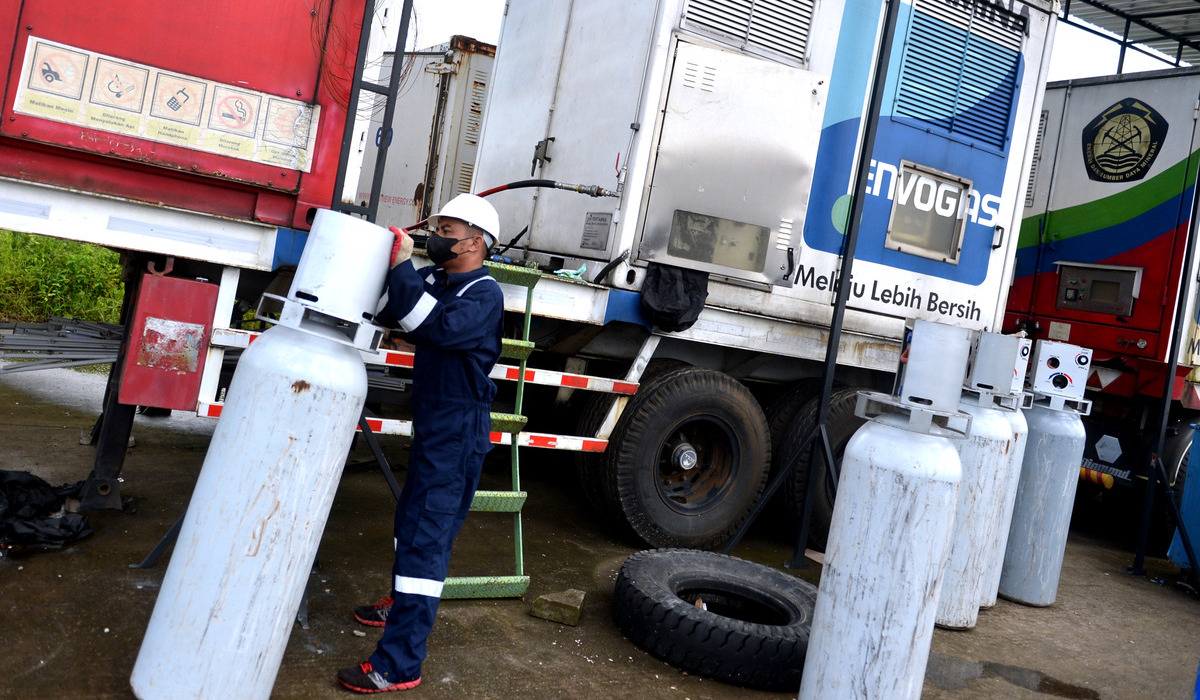
In the effort to transition towards cleaner energy, natural gas has become a primary alternative to replace oil-based fuels. Two of the most popular types of gas used in Indonesia, for household, industrial, and transportation needs, are LPG (Liquefied Petroleum Gas) and CNG (Compressed Natural Gas). Although both are gas fuels, LPG and CNG have fundamental differences ranging from chemical composition and storage methods to safety aspects.
LPG is a hydrocarbon gas that is liquefied under moderate pressure. Its main components consist of a mixture of propane (C3H8) and butane (C4H10) gas. LPG is obtained from the distillation of crude oil or from the extraction of natural gas during processing at refineries. A key characteristic of LPG is that it is heavier than air. In the event of a leak, LPG gas tends to accumulate at ground level, which increases the risk of explosion if exposed to a spark in an enclosed area.
CNG is natural gas that is compressed at very high pressure, typically between 200 and 250 bar. The main component of CNG is methane (CH4), which makes up around 80 to 90 percent. Unlike LPG, which is liquefied, CNG remains in a gaseous state even inside a high-pressure cylinder. Physically, CNG is lighter than air. If a leak occurs, the gas will immediately rise into the atmosphere and disperse quickly, making it theoretically safer than LPG in terms of the risk of gas accumulation at ground level.
In the automotive world, both gases can be used as vehicle fuel through a conversion system. However, in Indonesia, CNG is more directed towards public transportation such as TransJakarta buses or taxis due to its operational cost efficiency. Meanwhile, the use of LPG for vehicles, often referred to as LGV or Vi-Gas, was introduced but its development has not been as widespread as CNG in the mass transportation sector. Whether using LPG or CNG, it is crucial to ensure that installation is carried out by certified technicians. Routine checks on valves and hoses are very important to prevent dangerous leaks.
The choice between LPG and CNG depends heavily on user needs. LPG excels in ease of distribution and infrastructure availability, making it the primary choice for the household and small business sectors. On the other hand, CNG offers a cleaner and more economical energy solution for the transportation and industrial sectors that have access to natural gas pipeline networks.