
Understanding the Differences Between Indonesian and International Driving Licences
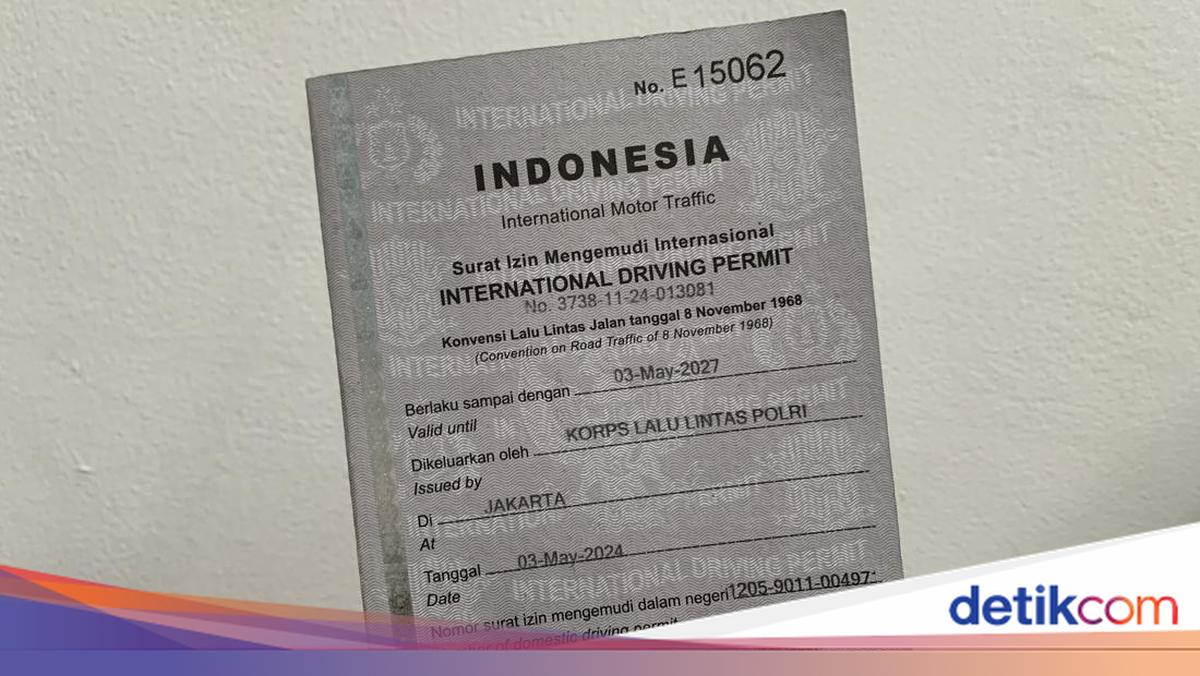
According to official explanations from Korlantas Polri, there are significant differences between the two types of driving licences regarding their function and area of validity.
Functions and Rules of the National Driving Licence (Indonesia)
The national driving licence serves as proof of driving competence, which is mandatory for anyone to be legally considered as operating a vehicle throughout Indonesia. The recognised forms are national driving licence cards, such as classes A and C, which are commonly held by the general public.
Although its primary purpose is domestic, the Indonesian driving licence can also be utilised when the holder travels abroad. The details regarding the scope and limitations of using an Indonesian licence abroad are as follows:
The scope of use is specific, being valid only in ASEAN countries.
This document has strict territorial limits, meaning it is not valid in Europe, America, Japan, or Australia.
Rules for Using an International Driving Licence
Unlike the national version, the international driving licence is a specialised driving permit that is recognised and valid in various partner countries. This document is a mandatory requirement for anyone wishing to rent or drive a vehicle in their destination country.
The scope of its validity spans continents and is recognised in dozens of countries, in accordance with the 1968 Vienna Convention Standards. Despite its wide reach, the possession of this document is subject to specific police requirements.
The characteristics and requirements for possessing an International Driving Licence are:
The primary requirement is that the applicant must already possess an active national driving licence.
This document serves only as a supplement to the national driving licence and is not a replacement document.
When driving abroad, drivers are still required to carry their national driving licence alongside their international driving licence.