
Understanding the Ahwa System Used in the Election of NU's Rais Aam
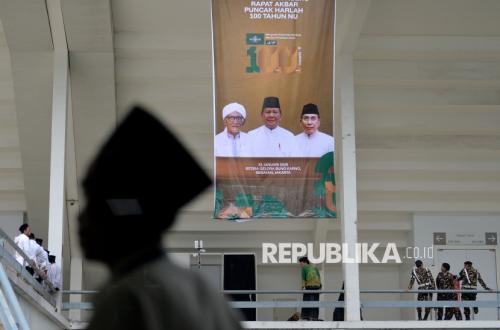
The Ahlul Halli wal ’Aqdi (AHWA) mechanism is a defining feature in the election of the Rais Aam, the supreme spiritual leader of the Nahdlatul Ulama (PBNU) Executive Board. This system is designed to make the deliberation of senior scholars the basis for determining the highest leadership within the PBNU’s Syuriyah council.
AHWA is a special institution formed to carry out consultative and decision-making functions within the organisation. In Islamic tradition, this body comprises figures of influence, authority, and capacity, ensuring that its decisions serve as a guide that must be respected and followed.
Etymologically, Ahlul Halli wal ‘Aqdi means ’those who have the authority to bind and release’. The term ‘bind’ refers to the binding nature of the decisions produced, which obligate those who have given them the mandate. Meanwhile, ‘release’ signifies their authority to refrain from appointing or selecting a particular figure if a consensus is not reached.
This practice has precedents dating back to the era of the Prophet’s companions. As his death approached, Caliph Umar bin Khattab appointed several trusted figures as representatives of the Muslim community to determine the leadership after him. These figures then deliberated and reached a decision that the Muslim community was obliged to respect. One outcome of that deliberation was the selection of Uthman bin Affan as the succeeding caliph.