
Understanding SO2 Gas from Volcanoes: Its Dangers to Health and the Environment
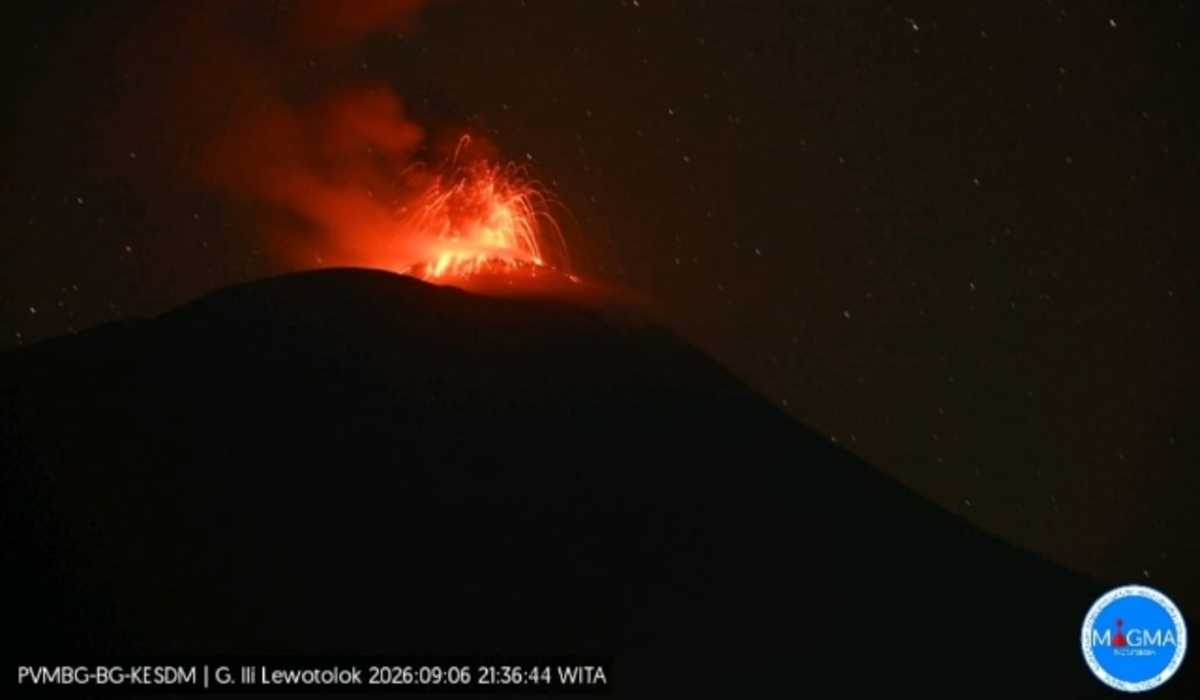
Volcanoes do not only eject glowing lava and volcanic ash during eruptions. One of the threats that is often invisible yet highly deadly is volcanic gas emissions, particularly Sulfur Dioxide (SO2). This gas is a chemical compound consisting of one sulfur atom and two oxygen atoms, produced by the heating process of magma beneath the Earth’s surface.
Physically, SO2 is a colourless gas but possesses a very sharp and pungent odour, similar to the smell of a newly lit match. Due to its reactive nature, this gas is one of the primary parameters monitored by volcanologists to determine the activity level of a volcano. However, behind its role as a geological indicator, SO2 poses significant risks to living beings and ecosystems.
The primary danger of sulfur dioxide lies in its highly irritating properties. When this gas comes into contact with moisture (water), it transforms into corrosive sulphuric acid. The following are some of the health impacts caused by SO-2 exposure:
SO2 is highly soluble in water. When inhaled, this gas reacts with the fluids in the mucous membranes of the nose, throat, and upper respiratory tract. This causes severe irritation, burning sensations, coughing, and shortness of breath. For sufferers of asthma or chronic bronchitis, even low concentrations of SO2 exposure can trigger life-threatening attacks.
In addition to the respiratory system, the eyes are the most vulnerable organs. Exposure to SO2 gas can cause red eyes, stinging, and excessive tearing (lacrimation). At high concentrations, this gas can cause mild chemical burns on moist or sweaty skin.
Chronic or repeated exposure to sulfur dioxide gas can permanently reduce lung function and increase vulnerability to respiratory infections. In extreme cases near the crater, very high concentrations of SO2 can cause pulmonary oedema (fluid accumulation in the lungs), which can be fatal.
The dangers of SO2 are not limited to humans. This gas has widespread destructive power over the environment through several mechanisms:
[The article notes that SO2 can affect the Earth’s climate by triggering the formation of sulphate aerosols, which can reduce the amount of sunlight reaching the surface. It also mentions the formation of ‘vog’ or volcanic smog.]
If you are in an area affected by volcanic activity or an alert for increased SO2 gas, take the following steps:
SO2 gas is heavier than air and tends to accumulate in low-lying areas such as valleys or depressions around volcanoes. Avoid these areas during periods of increased volcanic activity.
SO2 gas is an ‘invisible’ threat that accompanies all volcanic activity. Understanding its dangers is not intended to cause panic, but rather to increase vigilance. With proper mitigation and compliance with instructions from the authorities, the health risks caused by sulfur dioxide gas can be significantly minimised.
Source: jawawa.id (https://jawawa.id/newsitem/understanding-so2-gas-from-volcanoes-its-dangers-to-health-and-the-environment-1789138638)
Originally published by Media Indonesia (https://mediaindonesia.com/humaniora/932441/mengenal-gas-so2-dari-gunung-berapi-ini-bahayanya-bagi-kesehatan-dan-lingkungan), translated from Indonesian