
Understanding Presidential Briefings: Definition, Purpose, and Regulations in Government
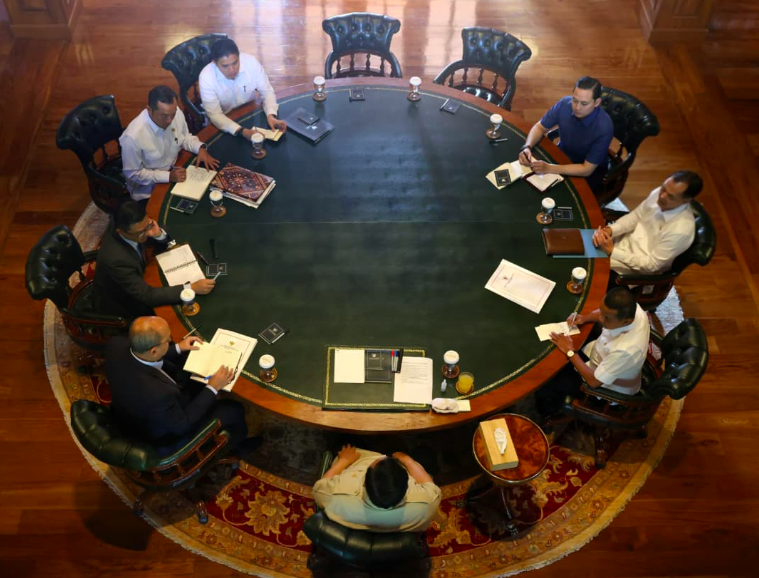
Amid escalating global geopolitical tensions following US and Israeli military operations against Iran, Indonesia faces potential indirect consequences despite its geographic distance from conflict zones. President Prabowo Subianto announced his intention to deliver a presidential briefing to the Indonesian nation in the near future, which he disclosed whilst formally inaugurating 218 bridges across Indonesia via online ceremony on Monday, 9 March.
“I will deliver a briefing to the entire Indonesian nation in the near future,” he stated.
A presidential briefing is an official activity involving the communication of directives, information, or explanations from the president to state officials, ministers, institutional leaders, or relevant parties concerning policy, specific situations, or government agendas. Such activities are typically conducted directly through limited meetings, special conferences, or formal government forums.
Generally, presidential briefings aim to align understanding among government officials, provide strategic instructions, and ensure state policy is implemented in a coordinated manner. In practice, briefings can also serve to communicate evaluations of government programmes and outline necessary steps for the future.
Presidential briefings operate according to several regulations that participants must observe. First, briefing activities are official in nature and typically restricted to those invited by the president or the state secretariat. This approach is undertaken to maintain communication effectiveness and protect the security of conveyed information.
Second, briefing participants are obligated to maintain confidentiality of presented materials, particularly those relating to strategic policy or sensitive national issues. Information released to the public typically undergoes approval from relevant parties or official government spokespeople.
Third, participants are expected to follow presidential directives with discipline and apply them as the basis for policy implementation within their respective ministries or institutions. This is essential to ensure government programmes operate in alignment with the president’s vision and priorities.
Fourth, briefing documentation is generally recorded by the secretariat or specially appointed staff to ensure every directive can be followed up administratively and operationally.
Through presidential briefings, coordination among government institutions is expected to function more effectively. Additionally, such activities serve as an important mechanism for the president to ensure the entire government apparatus understands the direction of national policy and works in an integrated manner in carrying out its responsibilities.