
Understanding PM10 and PM2.5 Amidst Volcanic Ash Exposure
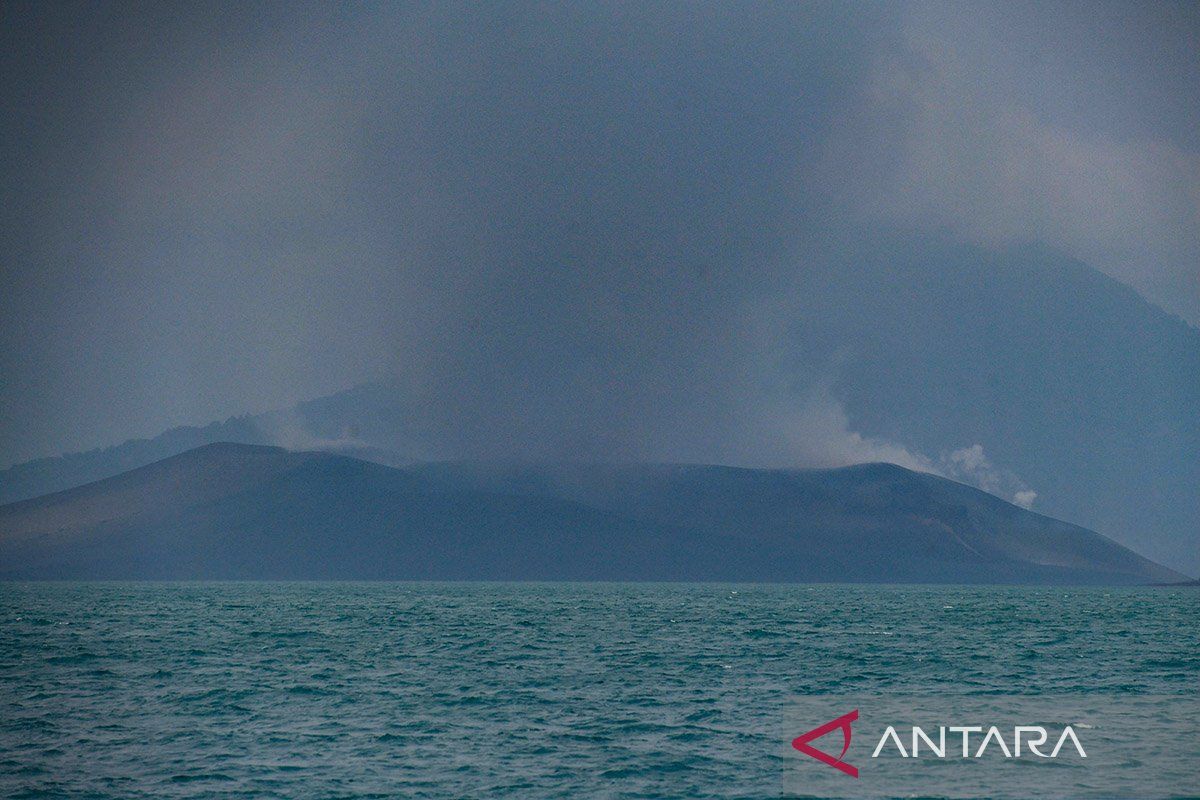
Jakarta (ANTARA) - Volcanic ash consists of a mixture of particles with diverse sizes and compositions. Some fractions of ash suspended in the air fall within the particulate matter (PM) range, which has the potential to be inhaled and affect respiratory health.
Dr Sondang Ruth Angelia Sirait, a lung specialist at Bethsaende Hospital Gading Serpong, stated that the smaller the particle size, the deeper the particles can penetrate the respiratory tract.
“In general, the smaller the particle size, the further the particles can enter the respiratory tract; even some very fine particles can reach the small airways known as alveoli, which can cause inflammation and oxidative stress,” Sondang said in a press release received in Jakarta on Thursday.
She noted that because of this, the primary principle during volcanic ash exposure is to reduce exposure as much as possible.
While smaller particle sizes increase the likelihood of reaching deeper parts of the respiratory tract, the health impact of volcanic ash is not determined by particle size alone. The concentration of particles in the air, the duration of exposure, and the mineral and chemical composition of the ash also influence the impact. Furthermore, an individual’s health condition determines their level of vulnerability to exposure.
For sufferers of asthma, chronic obstructive pulmonary disease (COPD), or other chronic lung diseases, volcanic ash can trigger or exacerbate symptoms. Children, the elderly, and individuals with lung or cardiovascular diseases also need to be more cautious, as they are more susceptible to the effects of airborne particle exposure.
If one must be outdoors or clean up ash, the public is advised to use particulate respirator masks such as KN95, N95, or equivalent standards. Masks must be used correctly, ensuring the nose and mouth are tightly covered and there are no large gaps on the sides of the mask.
For those with asthma, COPD, or other chronic lung diseases, routine medications and inhalers should continue to be used as advised by a doctor.
Sondang stated that complaints resulting from ash exposure can be temporary and may improve once exposure ceases. However, medical examination should be considered if symptoms persist or worsen.
“If complaints persist, become more severe, or occur in someone with pre-existing lung disease, an examination is necessary to determine if there are airway or lung function impairments that require further treatment,” she added.
Symptoms that require attention include persistent or worsening cough or shortness of breath, wheezing, a feeling of heaviness or discomfort in the chest, and a decrease in activity tolerance.