
Understanding LSD: Protected Paddy Land Status Hindering Many KDMP Developments
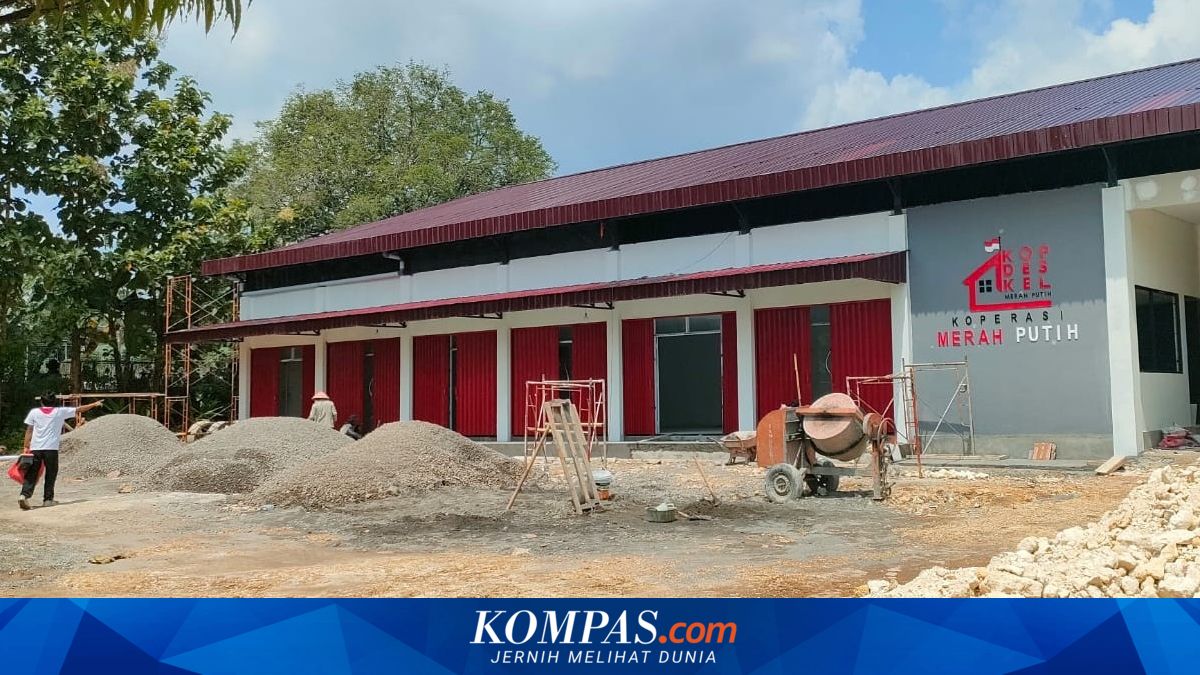
The status of paddy land classified as Lahan Sawah Dilindungi (LSD) is cited as one of the reasons why many planned developments of Koperasi Desa Merah Putih (KDMP) in several regions have yet to be realised. Many plots of land initially deemed strategic for village facility construction have turned out to fall within areas of rice fields mapped by the government to retain their function as agricultural land. Due to the LSD land status, numerous sites previously considered ready for public facilities or village projects, including KDMP, must be reassessed. If the land falls within protected rice field zones, construction cannot proceed directly and must go through the applicable permitting mechanisms. So, what exactly is LSD land and why is this status so important? Summarising from the Ministry of Agrarian Affairs and Spatial Planning/National Land Agency (ATR/BPN) website, Lahan Sawah Dilindungi, abbreviated as LSD, refers to expanses of rice fields that have been mapped and officially designated by the government to maintain their function. This policy emerges amid the rampant conversion of productive rice fields into non-agricultural zones. If left unchecked, this situation is feared to threaten the national food supply. The designation of LSD land has a clear legal basis, namely: The primary goal of designating LSD land is to preserve national food security. Therefore, the government considers it necessary to protect productive rice fields to ensure the population’s food needs remain secure in the future. Currently, the LSD policy has been implemented in eight provinces in Indonesia, namely: In those regions, a limited moratorium on converting existing land to non-rice activities is also in effect, except for Non-Agricultural Land Rights that have been issued and National Strategic Projects (PSN). The protection of rice fields has actually been planned for a long time. However, control over land function conversion has been intensified on a national and integrated basis since 2019.