
Understanding Hantavirus: Characteristics, Risks, and Prevention Methods
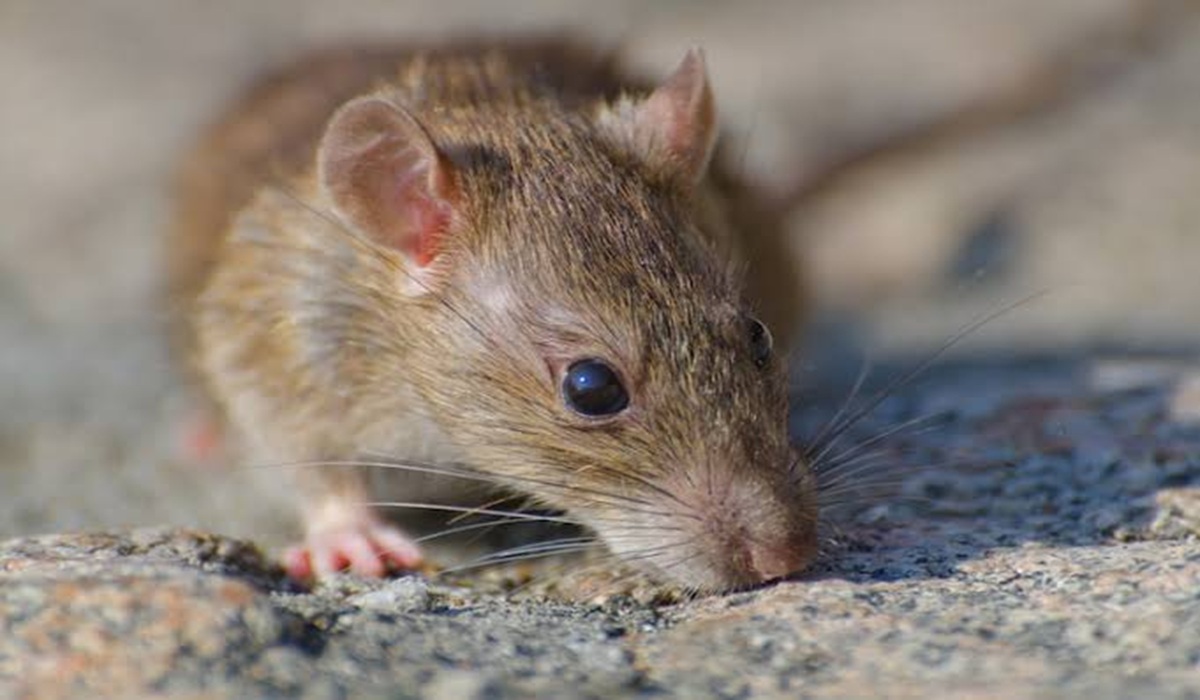
The name Hantavirus has recently been widely discussed on social media, sparking concern among a public still traumatised by the Covid-19 pandemic. Many have begun questioning whether this virus could potentially become a new global pandemic.
Responding to this anxiety, Epidemiologist Specialist and Head of the Public Health Study Programme at UIN Syarif Hidayatullah Jakarta, Dr Minsarnawati, provided an educational explanation. According to her, while the public needs to remain vigilant, excessive panic is unnecessary because the characteristics of Hantavirus are very different from the virus that causes Covid-19.
Minsarnawati stressed that the likelihood of Hantavirus spreading massively like the coronavirus is relatively small. This is due to a fundamental difference in its mode of transmission. While Covid-19 is transmitted directly between humans via respiratory droplets, Hantavirus is a zoonotic disease requiring an animal intermediary.
“With Covid-19, transmission is directly from human to human. Meanwhile, Hantavirus’s intermediary is rodents such as rats and shrews,” said Minsarnawati, as quoted from the official website of UIN Syarif Hidayatullah Jakarta.
A person can be exposed to Hantavirus by inhaling dust containing virus particles from the urine, saliva, or droppings of infected rats. To date, reported cases are still dominated by animal-to-human transmission, not widespread human-to-human spread.
Based on data from the Health Development Policy Agency (BKPK) of the Ministry of Health, Hantavirus cases have been reported in various parts of the world. However, it is important to understand that there are two main groups of Hantavirus with different health impacts.
In epidemiology, there is the concept of the susceptible host, or individual vulnerability. Minsarnawati explained that exposure to the virus does not always result in severe illness, as the body’s immune system is a determining factor.
Certain professional groups have a higher risk of exposure due to the intensity of their interaction with potentially contaminated environments. The primary key to avoiding Hantavirus is breaking the chain of transmission with rodents. Maintaining household environmental cleanliness to prevent it from becoming a rat’s nest is the most effective step. The public is advised to use personal protective equipment, such as masks and gloves, when cleaning dirty areas and to ensure food storage is tightly sealed.
In addition to external factors, internal strengthening through a healthy lifestyle is highly recommended. If experiencing symptoms such as high fever, severe headache, nausea, or diarrhoea after contact with an area suspected of being a rat’s nest, one should immediately seek examination at the nearest health facility for appropriate medical treatment.