
Understanding Global Accessibility Awareness Day: Why It Matters for Indonesia?
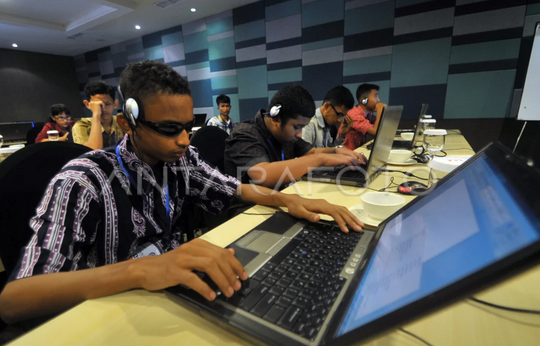
Global Accessibility Awareness Day (GAAD) is a global initiative aimed at encouraging discussion, reflection, and learning about digital accessibility (web, software, mobile, etc.) and the needs of people with disabilities. Its main objective is to ensure that anyone, regardless of physical or cognitive abilities, has equal access to information and technology online. Indonesia has a sizeable population of people with disabilities. National data show millions live with various disabilities, including visual, hearing, physical, and intellectual impairments. The reasons digital accessibility is urgently needed include: Under Law Number 8 of 2016 on Persons with Disabilities, the state guarantees every citizen the right to information and communication through accessible media. Digital accessibility is not merely an added feature but a legal obligation and a fulfilment of human rights. Today, nearly all public services—from health insurance registration, transport, to banking transactions—have shifted to digital applications. Without good accessibility, people with disabilities will face barriers to basic services and to the growing digital economy in Indonesia. Accessible technologies, such as screen readers or voice navigation, enable people with disabilities to learn, work, and socialise independently without continuous reliance on others. The public should recognise that small aspects of digital design can be major barriers for others. Common obstacles include: Raising awareness is the initial step. Indonesians can contribute in simple ways: Global Accessibility Awareness Day is a moment for Indonesia to reflect on how inclusive our digital spaces are. By creating accessible technology, we not only help specific groups but also build a fairer, smarter, and more competitive society on the global stage. When is GAAD celebrated? GAAD is celebrated each year on the third Thursday in May. Who should care about digital accessibility? Everyone, especially web developers, graphic designers, policymakers, and active social media users. Does digital accessibility always incur high costs? Not necessarily. Many accessibility features can be implemented from the early design stages without significant additional costs, provided there is awareness and thoughtful planning.