
Understanding ‘Gamer’s Thumb’, a Common Complaint Among Gamers
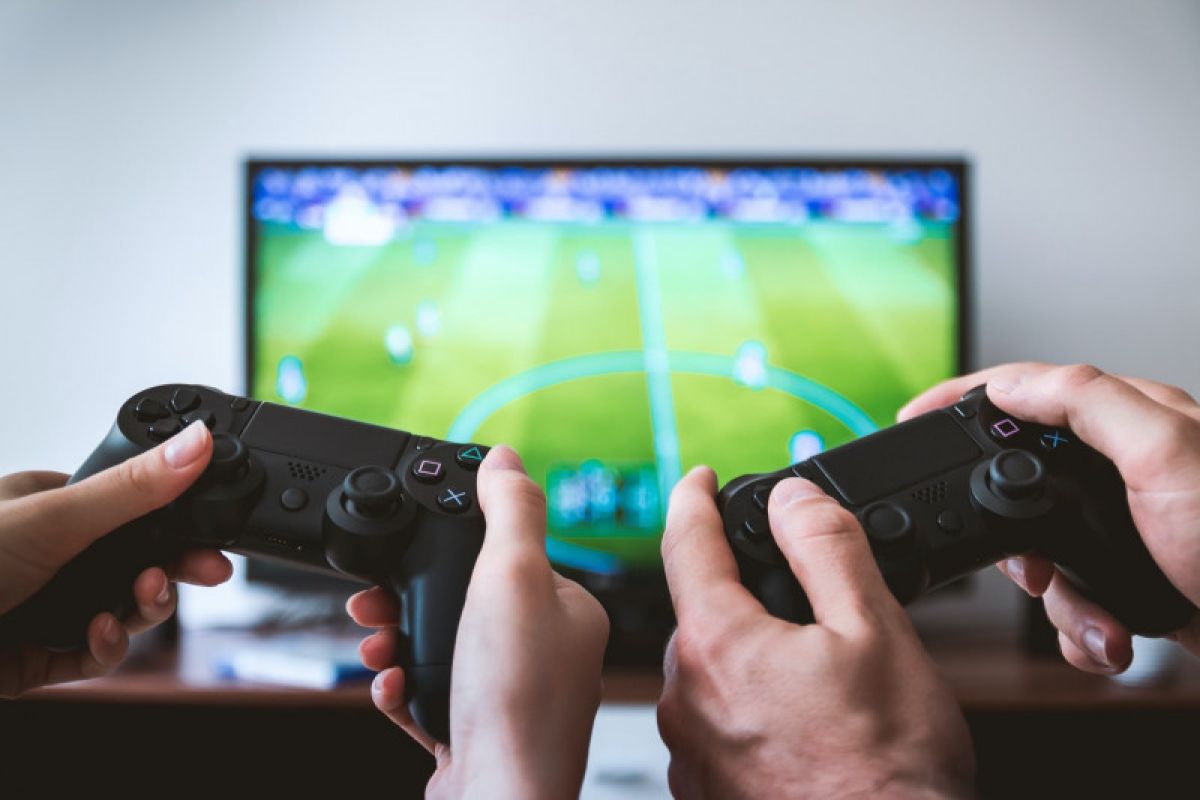
Jakarta (ANTARA) – Playing games for long periods can sometimes leave the thumb sore, stiff or even painful. The condition is often dismissed as ordinary fatigue caused by repeatedly pressing buttons on a joystick or mobile phone screen.
However, if the pain keeps returning and begins to interfere with everyday activities, it may be linked to a condition known as gamer’s thumb.
The term is increasingly used to describe thumb problems caused by repetitive movements while gaming. So what exactly is gamer’s thumb, what are its symptoms, and is it dangerous?
Gamer’s thumb is a term used to describe a thumb disorder caused by overuse or repetitive movements while playing video games.
One medical condition often associated with this problem is de Quervain’s tenosynovitis, a disorder affecting the tendons around the base of the thumb and the wrist.
Tendons are strong tissues that connect muscles to bones and help move parts of the body. In de Quervain’s tenosynovitis, the tendon sheath becomes thickened or irritated, making it harder for the tendon to move and causing pain.
According to the American Society for Surgery of the Hand (ASSH), using electronic devices that require repetitive thumb movements can trigger symptoms such as pain, swelling and weakness in the thumb.
As well as gamers, people who use their phones frequently to type messages or carry out other repetitive activities may experience similar problems.
When playing games, particularly on a mobile phone or with a controller, the thumb is often used to make numerous movements in a short period of time.
These may include pressing attack buttons, moving a character, aiming and controlling various game features.
The movements may seem simple. However, if they are repeated continuously without a break, the tendons and tissues around the thumb can be subjected to repeated strain.
The risk may increase when someone plays for hours, holds their hands in an uncomfortable position or grips the controller too tightly.
A case report published in the journal Archives of Physical Medicine and Rehabilitation in 1983 documented de Quervain’s tenosynovitis in a video game player following prolonged gaming.
This shows that the link between gaming and tendon problems in the thumb is not merely a popular term among gamers.
Symptoms of gamer’s thumb can develop gradually or appear suddenly. The discomfort is usually felt around the base of the thumb and the wrist.
Signs to look out for include:
Pain at the base of the thumb, which occurs when moving the thumb, gripping a controller or pressing game buttons.
Swelling around the base of the thumb or wrist, which may be painful to touch.
Stiffness or discomfort that limits thumb movement.
Weakened grip, making simple activities such as holding a glass, opening a bottle or gripping an object more difficult.
A catching sensation, or a clicking sound, when moving the thumb.
If these symptoms keep occurring, they should not be dismissed as ordinary soreness.
How to prevent and manage gamer’s thumb
The first step is to reduce the activity that triggers the pain. Give the thumb time to rest and do not force yourself to keep playing once symptoms appear.
Also, make a habit of taking regular breaks, changing your grip and avoiding excessive force when pressing controller buttons.
If necessary, applying a cold compress and using a specialised splint to limit movement of the thumb and wrist may form part of initial care.
If the pain does not improve, becomes worse or interferes with everyday activities, seek medical advice promptly. Medical treatment may include painkillers or anti-inflammatory medicines, physical therapy or corticosteroid injections, depending on the patient’s condition.
Source: jawawa.id (https://jawawa.id/newsitem/understanding-gamers-thumb-a-common-complaint-among-gamers-1794109890)
Originally published by Antara (Indonesian) (https://www.antaranews.com/berita/5839379/mengenal-istilah-gamers-thumb-yang-sering-muncul-saat-main-game), translated from Indonesian