
Understanding EMR: A Laser-Free and Surgery-Free Eye Correction Technology
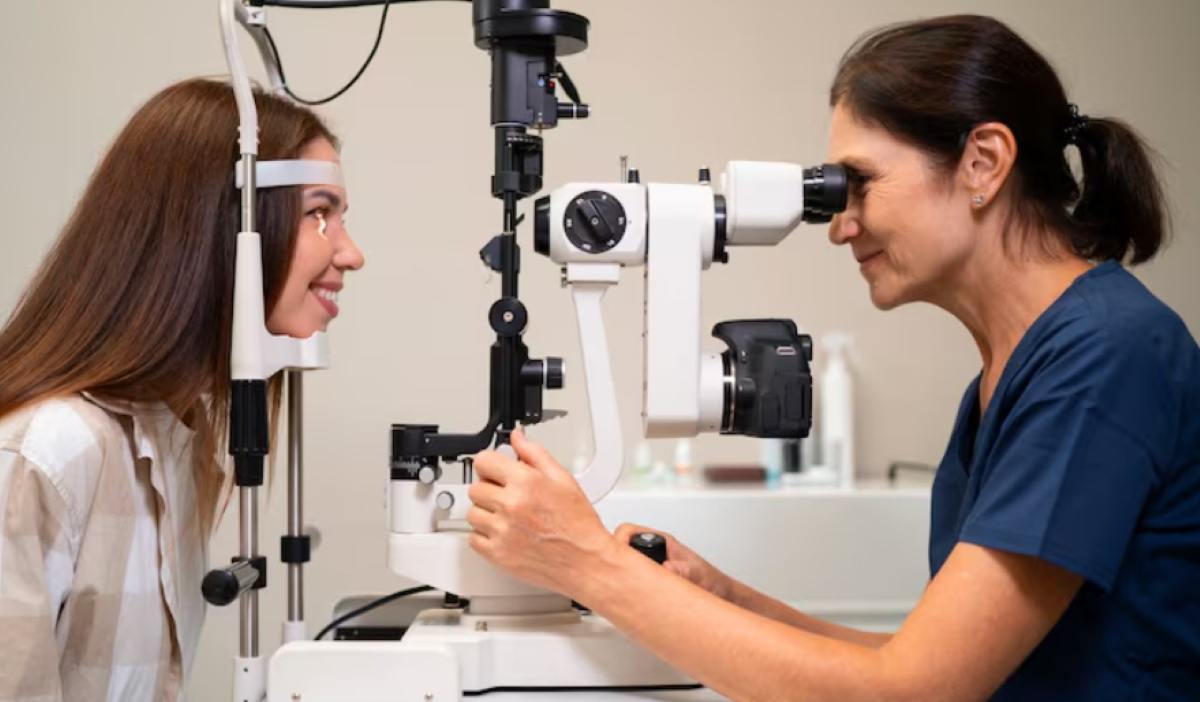
Millions of people in the United States live with vision impairments such as myopia or more serious sight problems. Until now, glasses, contact lenses, and laser-based procedures like LASIK have been the primary solutions. However, scientists are now exploring a revolutionary approach to reshape the cornea without lasers, tissue cutting, or invasive surgery.
Researchers from Occidental College and the University of California, Irvine, have developed an experimental technique called Electromechanical Reshaping (EMR). Unlike LASIK, which erodes corneal tissue, this method temporarily softens the cornea to allow gentle reshaping into the ideal position.
Conventional LASIK Limitations: The cornea is a clear, dome-shaped surface at the front of the eye that bends light to the retina. Vision problems arise when the cornea is too steep, flat, or irregular. LASIK addresses this by permanently removing small amounts of corneal tissue using a laser.
Michael Hill, a chemistry professor at Occidental College, explained that LASIK is fundamentally surgery. ‘LASIK is merely an advanced way of performing traditional surgery. The procedure still involves cutting tissue, just with a laser,’ he said. It is these limitations that have driven the search for a non-invasive method.
EMR Discovery: An Accidental Breakthrough: The concept of EMR emerged unexpectedly during experiments on cartilage and other collagen-rich tissues. Brian Wong, a professor and surgeon at UC Irvine, discovered that living tissue could be chemically modified through electrical processes.
Collagen-rich tissues, including the cornea, maintain their shape through charged molecular structures. Due to high water content, applying a mild electrical current can temporarily alter the tissue’s pH level.
This pH change loosens molecular bonds, making the tissue flexible for reshaping. Once pH normalises, the tissue hardens in its new form.
Shaping the Eye with Electrical Current: In trials, the research team used a special platinum contact lens as an electrode. Key points from the experiments:
Quick Process: The entire procedure takes about a minute, similar to LASIK but without the risk of tissue cutting.
Testing: Conducted on 12 rabbit eyes, with 10 successfully corrected for simulated myopia.
Cell Safety: Cells in the tissue remained alive as pH changes were carefully controlled during treatment.
Other Potential: The technique also shows promise in restoring corneal cloudiness that usually requires transplantation.
Future and Challenges: Although promising, researchers stress that EMR remains highly experimental. Testing has so far been limited to isolated organs, not live animals or humans. Next steps involve extensive studies to ensure long-term corneal shape stability and safety in living tissue.
‘Path to clinical use is still long,’ Hill concluded. ‘However, if successful, the technique could have widespread applications, be much cheaper, and potentially reversible if needed.’
Currently, LASIK remains the gold standard for surgical vision correction. However, EMR opens the door to a future where correcting blurred vision no longer requires lasers or permanent tissue removal.