
Understanding Deciles: How Data Works
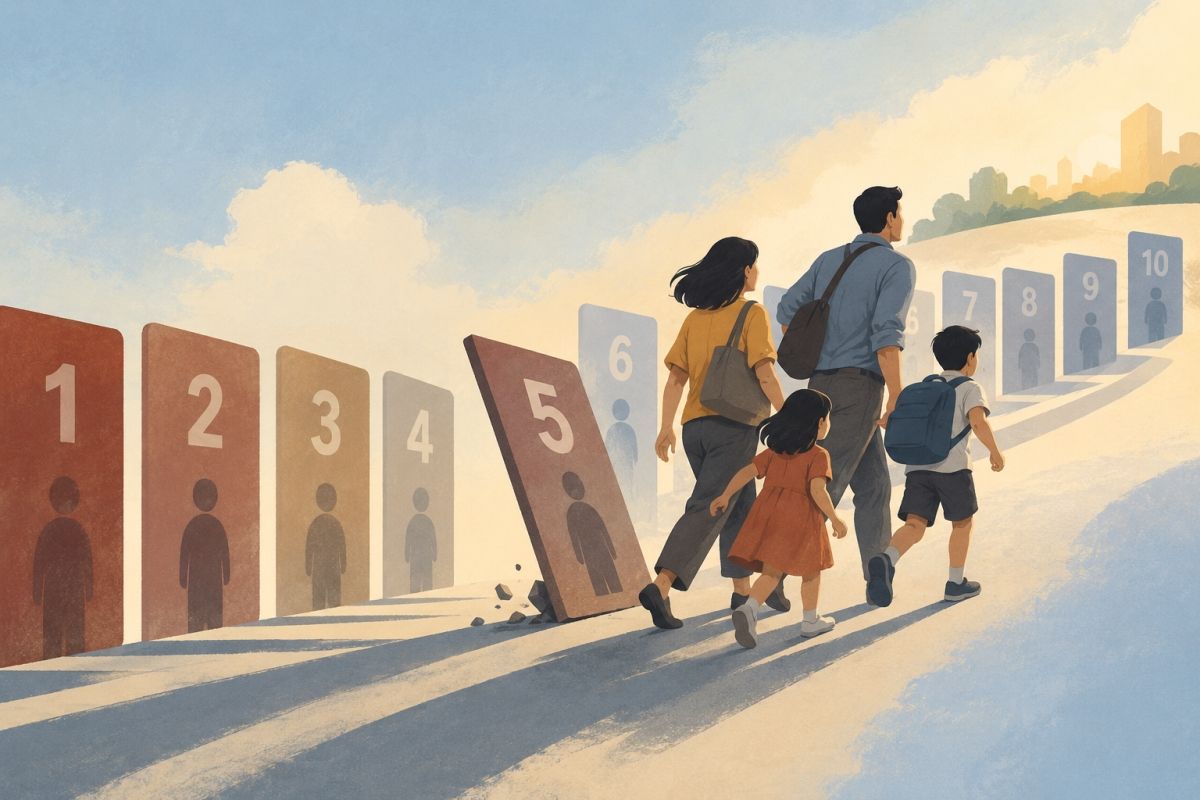
Jakarta (ANTARA) - Recently, the word ‘decile’ has been heard more frequently in everyday conversation. People have begun to ask, “Which decile am I in?” The question sounds simple. However, for some families, the answer can feel profoundly important.
One’s position within a decile is often linked to access to various social protection programmes. Consequently, when a decile position changes, concerns arise regarding whether the assistance previously received will also change.
Such concerns are understandable. When a statistical term begins to intersect with daily life, numbers no longer feel like mere figures. They can represent hope, anxiety, or even a deciding factor in life decisions.
However, perhaps we need to view deciles in a slightly different way. A decile is not a label defining who is poor and who is wealthy. Instead, a decutle is a method for viewing the relative position of an individual or a family within the distribution of welfare.
Deciles as a map
Imagine a map. When we look at a point on a map, what we know is our position relative to other places. We do not immediately know the entire story of that location. The same applies to deciles.
A family may experience changes in their economic condition and, at the same time, their relative position in society may also shift.
A family previously in the lower group may move to a higher group. Conversely, a family that was previously relatively secure may face economic pressure and move to a lower group. Deciles indicate where we are, not the entire story of how we arrived there.